
Agentic AI to Automate 15% of Business Decisions by 2028
Agentic artificial intelligence is rapidly advancing, set to automate routine tasks and decisions across global businesses, always under essential human oversight.

Agentic artificial intelligence is poised to reshape the global work landscape. By 2028, at least 15% of routine business decisions are expected to be made by these advanced systems. This development heralds a new era of hybrid work, where automation will significantly boost efficiency. Rigorous human supervision will remain crucial to manage risks and ensure accountability.
The adoption of this technology is accelerating rapidly. Deloitte projects that half of companies currently using generative AI will deploy intelligent agents by 2027. In Mexico, McKinsey estimates that 10% to 20% of business processes could be managed by these agents within the next three to five years. The initial focus targets repetitive and standardized tasks.
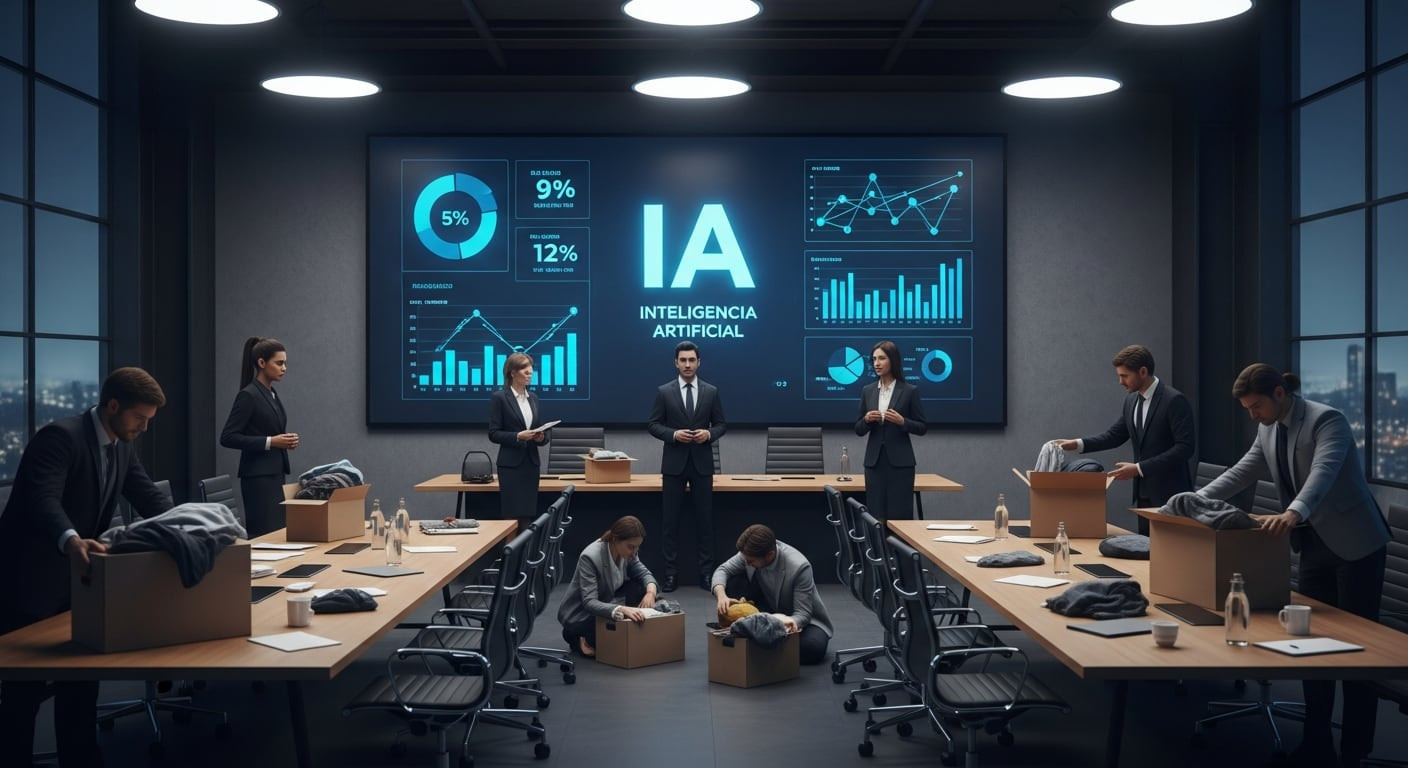
David Alonso, director of the Technology Department at UDIT, emphasizes this trend. "The first tasks likely to be delegated to intelligent agents will be the most repetitive, traceable, and standardizable," he explains. These include customer service, document generation, data analysis, and software development support. People will continue to oversee processes with critical judgment, ensuring responsibility and final decision-making within organizations.
People will continue to oversee processes with critical judgment, ensuring responsibility and final decision-making within organizations.
The impact on productivity is substantial. Conservative estimates suggest improvements of 5% to 15% in complex processes. For activities like text writing or information retrieval, figures can exceed 20%. Sectors with digitized operations and abundant data are leading this implementation. Financial services and healthcare are pioneers in the region, according to reports from the OECD and the World Economic Forum.
The pace of adoption across Latin America varies. Mexico positions itself above the regional average in this technological deployment. "Mexico is better positioned than the average, although it is not yet part of the leading group," Alonso states. The key lies in balancing automation with human intervention. This ensures agentic AI enhances our capabilities without replacing critical human judgment.
Related articles

Google Launches Gemma 4 12B: Local AI for Your Laptop with 16GB RAM
Google's new artificial intelligence model aims to democratize access to generative AI, allowing it to run on average consumer computers.

Nvidia Challenges Intel and AMD with RTX Spark Superchip for PCs
Nvidia introduced RTX Spark, a processor promising to bring advanced artificial intelligence directly to your PC, without cloud dependence, and boost gaming to unprecedented levels on conventional machines.

Anthropic's Claude Opus 4.8 boosts "honesty" and reduces code flaws
Anthropic's new AI model, Claude Opus 4.8, launches this Thursday with a focus on transparency and error reduction, giving users more control over computational effort.
Latest news
View all
Stuntman Hollywood: Returns After 19 Years to PS5, Xbox Series, and PC
The iconic action and vehicular stunt franchise makes its comeback courtesy of Saber Interactive, promising a dose of nostalgia and adrenaline for the new generation.
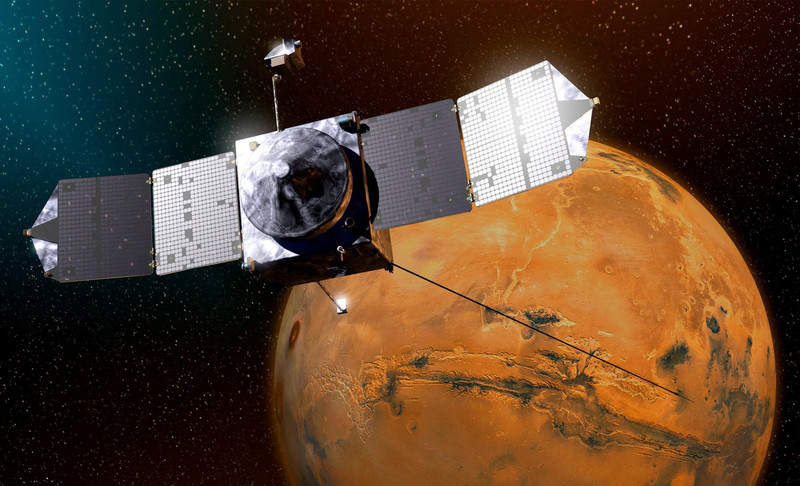
NASA's Maven Mars Orbiter Declared Out of Service After Six Months of Silence
Following an anomaly that disrupted its orbit and depleted its batteries, the Maven spacecraft, vital for understanding Mars' atmosphere, has ended its active mission. Its scientific data remains an invaluable legacy.

Windows Drops NTLM: Microsoft Boosts Security with Kerberos
Microsoft is taking a crucial step to bolster security in Windows 11, announcing the deprecation of NTLM, its oldest authentication protocol, in favor of Kerberos.
Comments (0)
No comments yet. Be the first!
Leave a comment