
A Brazilian actigraph monitored astronaut sleep during Artemis II
A device developed at the University of São Paulo tracked circadian rhythms during the lunar mission. The technology has proven valuable for space and public health applications.
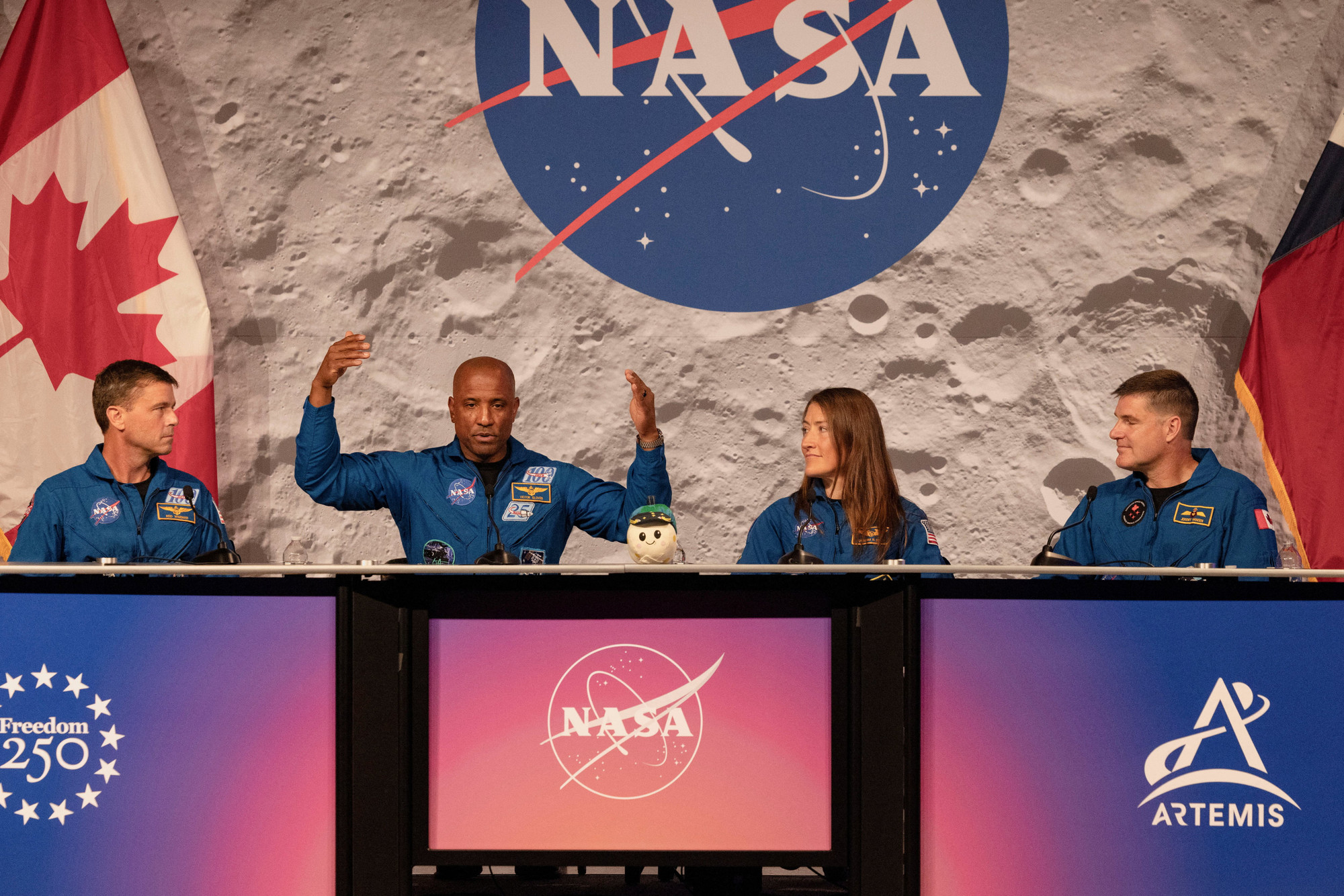
The Artemis II mission, which orbited the Moon in April, relied on a device developed at the University of São Paulo (USP) to monitor astronauts' sleep and biological rhythms. The actigraph provided real-time data on circadian patterns, helping NASA assess how space conditions affect human health and performance.
Worn on the wrist, the actigraph continuously records body movement, physical activity, light exposure, and sleep-wake cycles. Unlike standard trackers, it measures the full light spectrum, including blue light, which plays a key role in regulating circadian rhythms. This feature is crucial in space, where natural day-night cycles don't exist.
Developed under the coordination of professor Mario Pedrazzoli at USP's School of Arts, Sciences and Humanities, the project was funded by Fapesp's Pipe program. Condor Instruments, a local company, handles commercial production. The device is already used in clinical and epidemiological studies on Earth, offering high accuracy at a low cost.
In space missions, continuous monitoring helps prevent sleep disorders, fatigue, and operational errors. "Circadian rhythm control is critical for crew safety and performance", as reported by Exame, which revealed the device's involvement. NASA used the data to adjust lighting schedules, work shifts, and rest periods during the flight.
Beyond space exploration, the actigraph holds promise for public health policies. It enables detailed tracking of sleep habits across populations, supporting interventions in mental health, urban planning, and education. USP highlights its scalability for large-scale studies due to its reliability and affordability.
The inclusion of Brazilian technology in a NASA mission underscores the global impact of academic research. It's not just a tool for astronauts, but a solution with everyday applications. "This device shows how applied science can transcend borders", is one of the key takeaways from the development team.
This device shows how applied science can transcend borders

Article topics
Related articles
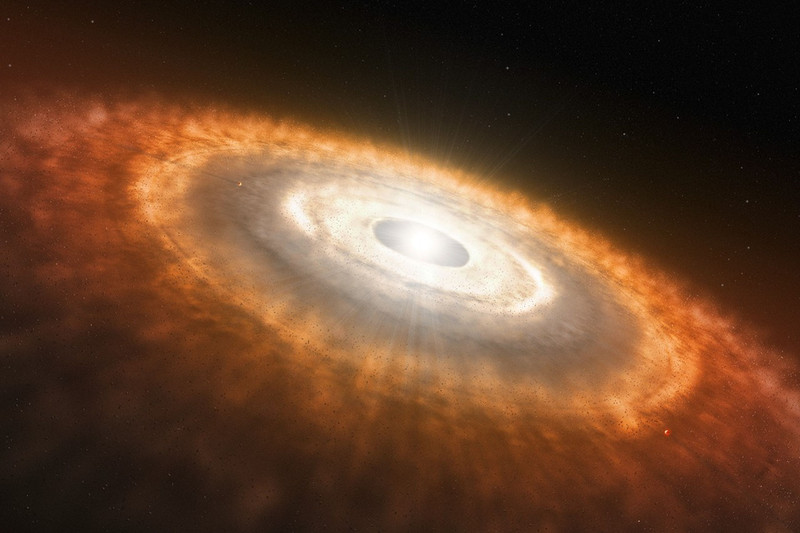
NASA Reveals New Path for Earth's Essential Life Elements
A recent study, published in Science Advances, uncovers how early Earth may have received phosphorus and nitrogen, highlighting Jupiter's critical role.
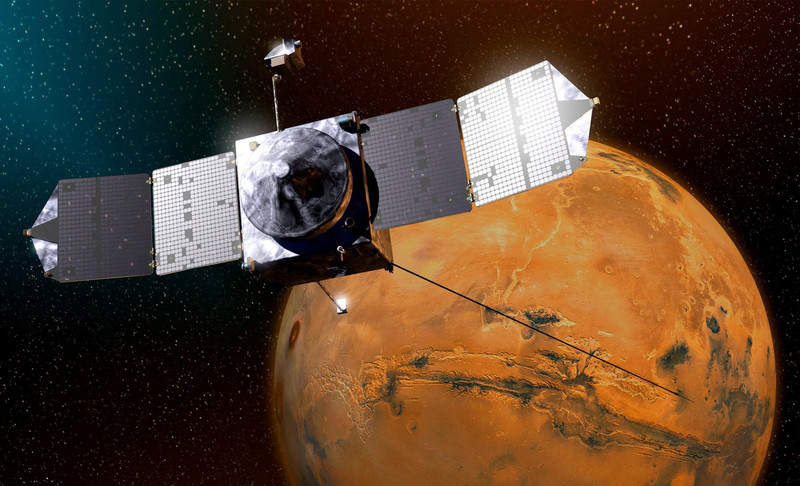
NASA's Maven Mars Orbiter Declared Out of Service After Six Months of Silence
Following an anomaly that disrupted its orbit and depleted its batteries, the Maven spacecraft, vital for understanding Mars' atmosphere, has ended its active mission. Its scientific data remains an invaluable legacy.

Windows Drops NTLM: Microsoft Boosts Security with Kerberos
Microsoft is taking a crucial step to bolster security in Windows 11, announcing the deprecation of NTLM, its oldest authentication protocol, in favor of Kerberos.
Latest news
View all
Stuntman Hollywood: Returns After 19 Years to PS5, Xbox Series, and PC
The iconic action and vehicular stunt franchise makes its comeback courtesy of Saber Interactive, promising a dose of nostalgia and adrenaline for the new generation.
Google Launches Gemma 4 12B: Local AI for Your Laptop with 16GB RAM
Google's new artificial intelligence model aims to democratize access to generative AI, allowing it to run on average consumer computers.
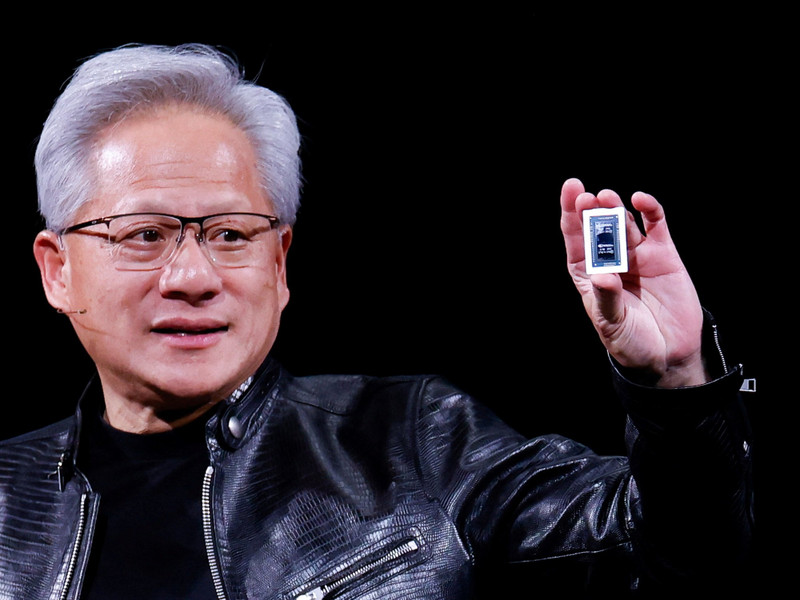
Nvidia Challenges Intel and AMD with RTX Spark Superchip for PCs
Nvidia introduced RTX Spark, a processor promising to bring advanced artificial intelligence directly to your PC, without cloud dependence, and boost gaming to unprecedented levels on conventional machines.
Comments (0)
No comments yet. Be the first!
Leave a comment