
Astronomía
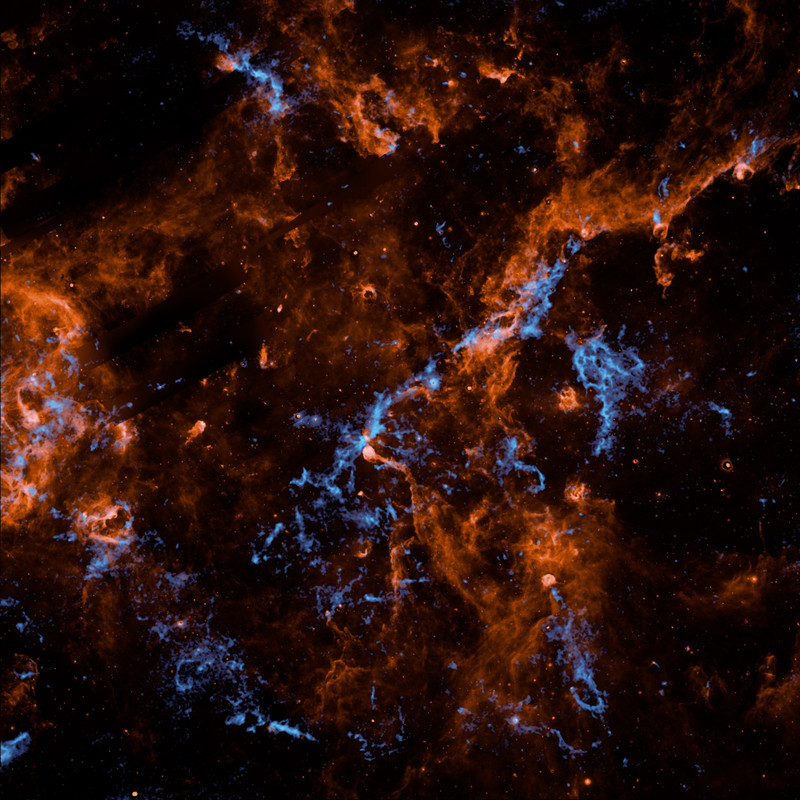
NASA's SPHEREx Observatory Maps Interstellar Ice Crucial for Life
NASA's SPHEREx observatory has made a pivotal discovery. It mapped chemical signatures of water ice and organic molecules in an active star-forming region.
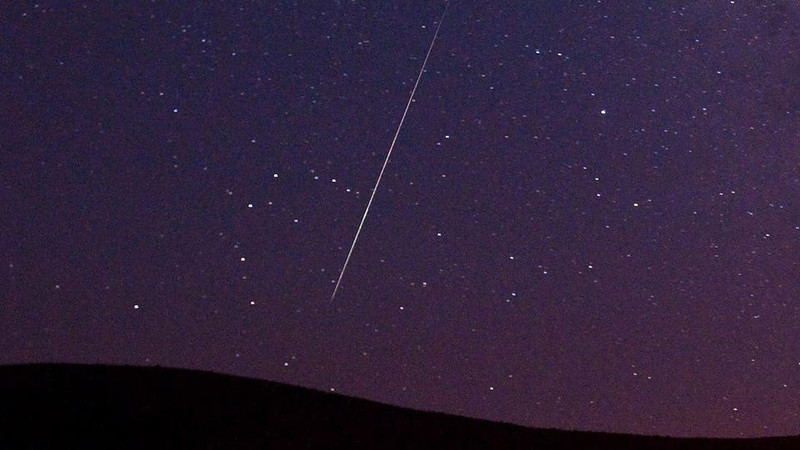
Lyrid Meteor Shower
The Lyrid meteor shower will peak next week, with up to 20 meteors per hour in dark skies. The viewing conditions for 2026 are near-perfect.
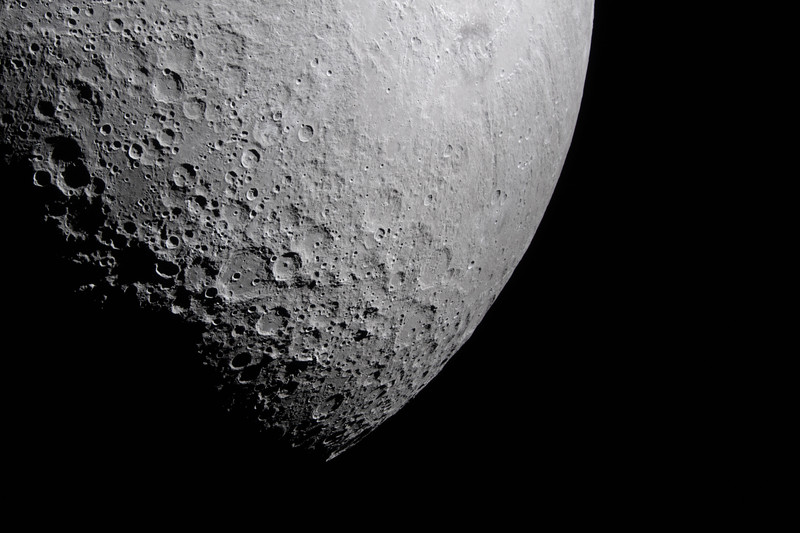
The Moon's Far Side at the Terminator: A Captivating Look at its Shadows
A captivating view of the Moon’s far side emerges along the terminator, the dynamic boundary between lunar day and night.

Saturn's rings formed from a destroyed moon, study says
A new model suggests Saturn's rings came from the breakup of an ancient moon called Chrysalis between 100 and 200 million years ago.

Comet Pan-STARRS: Your Guide to Seeing It Near the Moon on April 13
Comet C/2025 R3 (Pan-STARRS) offers a unique viewing opportunity before sunrise. Its proximity to the crescent moon makes it easier to locate.

Fossil Footprint and Magnetic Fields: New Study Reveals Why Gas Giants Spin Faster Than More Massive Brown Dwarfs
A groundbreaking study, utilizing data from the W.M. Keck Observatory, has discovered that gas giant exoplanets rotate faster than more massive brown dwarfs, challenging previous notions about the relationship between mass and rotation and highlighting the crucial role of magnetic fields in their formation.
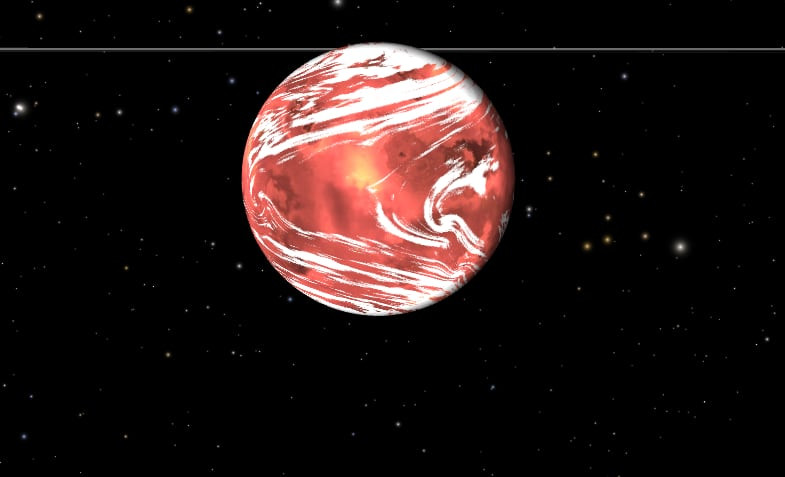
L 98-59 d: The Exoplanet with Magma Oceans and a 'Rotten Egg' Atmosphere Challenging Science
An international team of scientists, utilizing the James Webb Space Telescope, has discovered L 98-59 d, an exoplanet 35 light-years from Earth with temperatures exceeding 1,900 degrees Celsius and an atmosphere rich in hydrogen sulfide, giving it a 'rotten egg' smell. This unique world, featuring magma oceans, redefines our understanding of planetary diversity.