
Exoplanetas
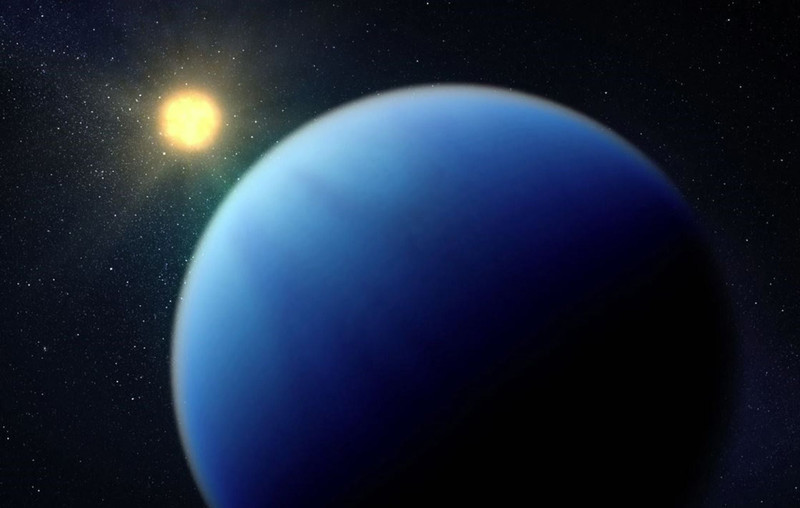
James Webb Telescope Discovers Water Vapor on Exoplanet TOI-421 b
NASA's space telescope made an unprecedented finding on TOI-421 b, a sub-Neptune with a surprisingly clear atmosphere, potentially reshaping our understanding of planetary formation.
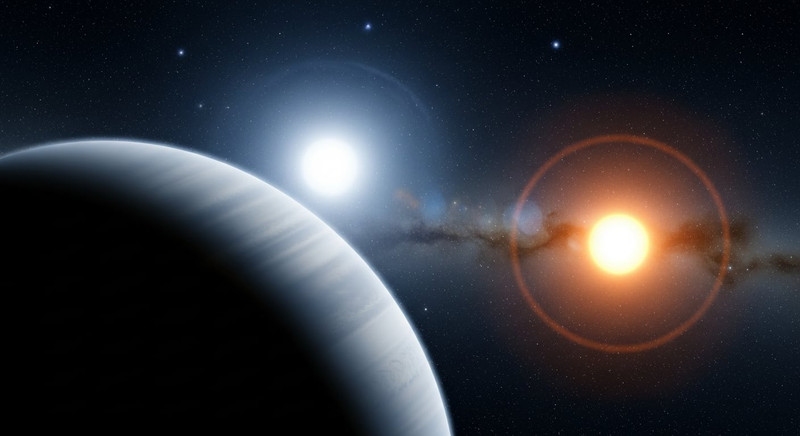
Stanford's STEHM Model Optimizes Search for Habitable Exoplanets
Stanford University introduces STEHM, a new tool that filters exoplanets based on their ability to maintain stable atmospheres, a key condition for life.

NASA TESS uncovers over 25 potential exoplanets in binary systems
A new method based on mutual eclipses in binary stars allows TESS to detect worlds beyond our solar system, expanding its discovery capabilities.

Solar Flare Domino Effect Also Seen in Thousands of Stars
A recent study shows that secondary stellar eruptions are not unique to the Sun but are common across thousands of stars in our galaxy.
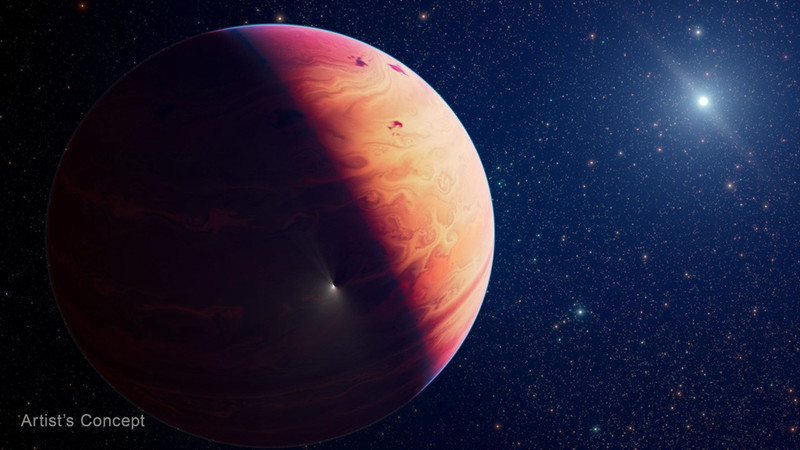
James Webb Unravels 29 Cygni b's Origin: Planet or Failed Star?
A team of astronomers used the James Webb Space Telescope to resolve the paradox of 29 Cygni b, a massive object defying cosmic classifications.
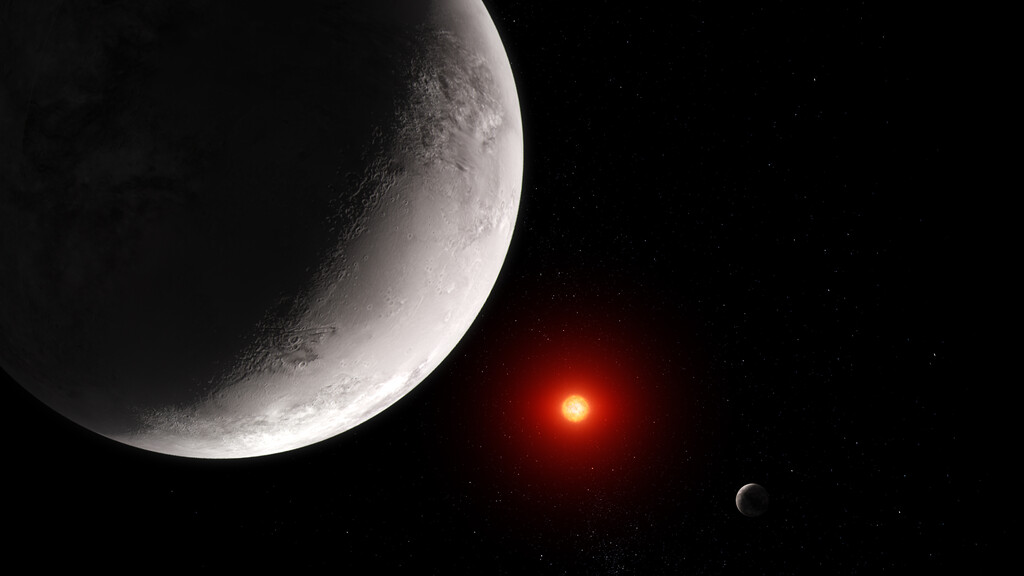
James Webb Delivers Bad News for TRAPPIST-1, But Hope Remains
New observations from the James Webb Space Telescope suggest two rocky planets in the TRAPPIST-1 system lack atmospheres, a crucial finding for the search for life.

Fossil Footprint and Magnetic Fields: New Study Reveals Why Gas Giants Spin Faster Than More Massive Brown Dwarfs
A groundbreaking study, utilizing data from the W.M. Keck Observatory, has discovered that gas giant exoplanets rotate faster than more massive brown dwarfs, challenging previous notions about the relationship between mass and rotation and highlighting the crucial role of magnetic fields in their formation.
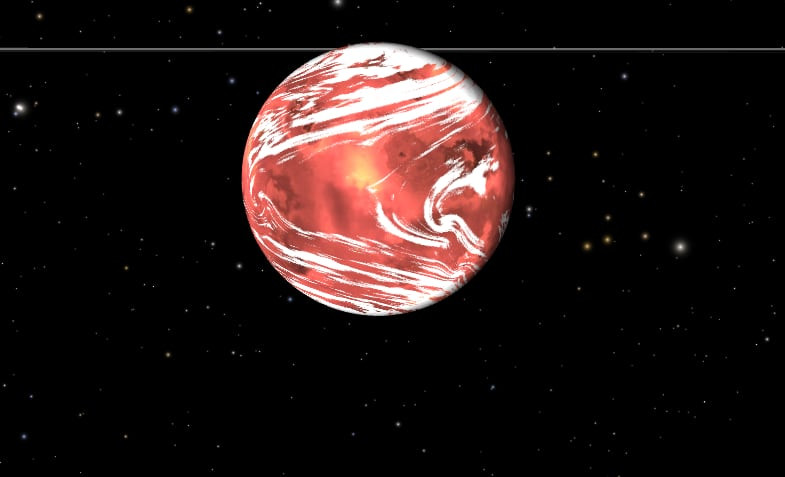
L 98-59 d: The Exoplanet with Magma Oceans and a 'Rotten Egg' Atmosphere Challenging Science
An international team of scientists, utilizing the James Webb Space Telescope, has discovered L 98-59 d, an exoplanet 35 light-years from Earth with temperatures exceeding 1,900 degrees Celsius and an atmosphere rich in hydrogen sulfide, giving it a 'rotten egg' smell. This unique world, featuring magma oceans, redefines our understanding of planetary diversity.