
Worms in Space: Unlocking Astronaut Health for Future Moon Missions
A UK scientific team sent microscopic worms to the International Space Station. They aim to understand how to protect human health in deep space.
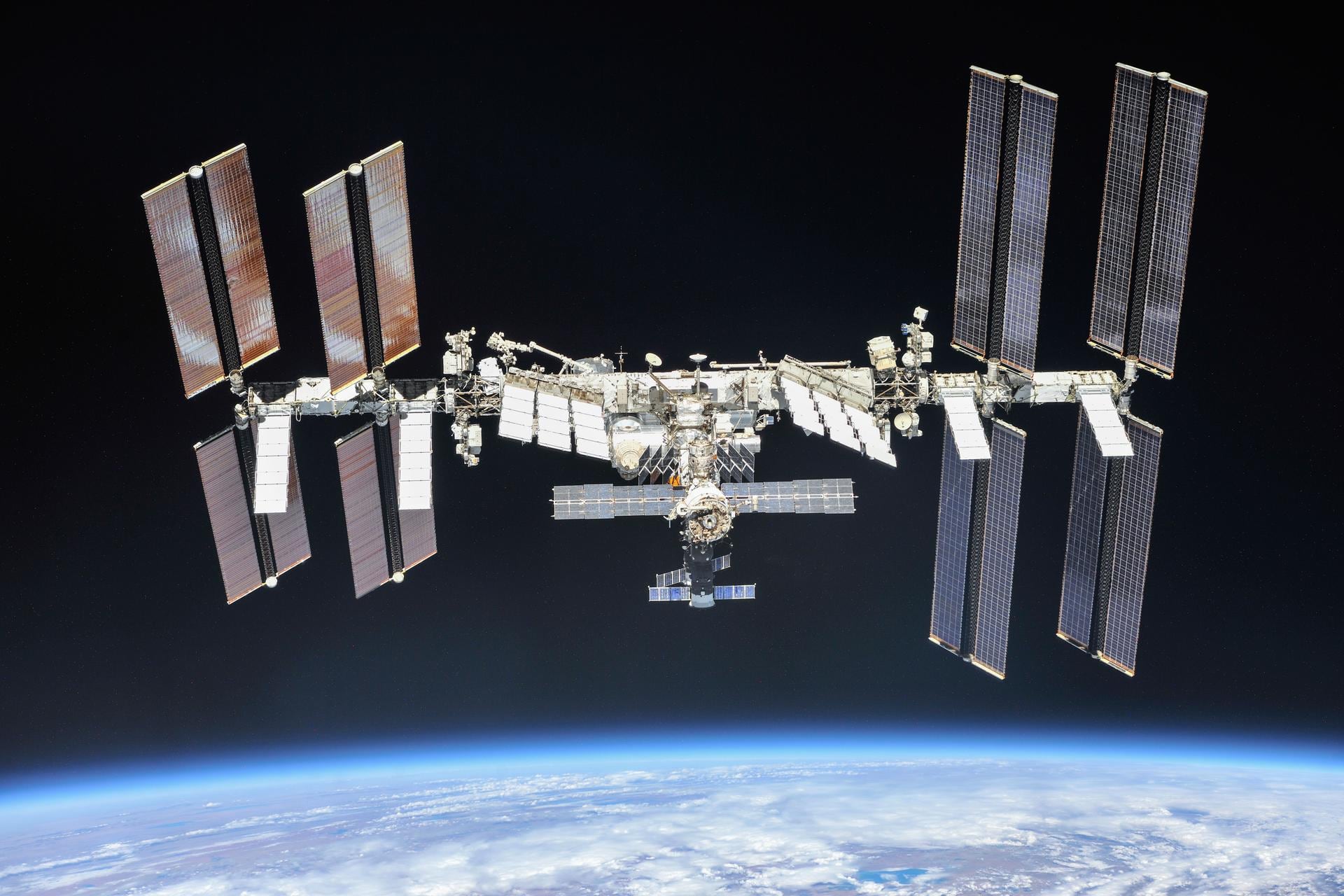
A scientific team from the United Kingdom sent microscopic worms to the International Space Station (ISS). This mission seeks to investigate how living organisms respond to the hostile conditions of space. The goal is to identify biological mechanisms that will protect human health during future long-duration missions to the Moon and beyond. The initiative launched from Kennedy Space Center as part of NASA's Northrop Grumman CRS-24 mission.

The experiment, developed by the University of Exeter and coordinated by the University of Leicester, travels encapsulated in a miniaturized laboratory. This device, called the "Petri Pod," measures just 10 x 10 x 30 centimeters and weighs only 3 kilograms. It houses dozens of C. elegans nematodes, a type of one-millimeter-long worm widely used in biological research.
The "Petri Pod" maintains a breathable atmosphere, temperature, and pressure for its inhabitants. It can operate even when exposed to the vacuum and space radiation outside the ISS for up to 15 weeks. Researchers on the ground remotely control the device from the United Kingdom. This system significantly expands the scale of complex biological experiments feasible in space, reducing costs.
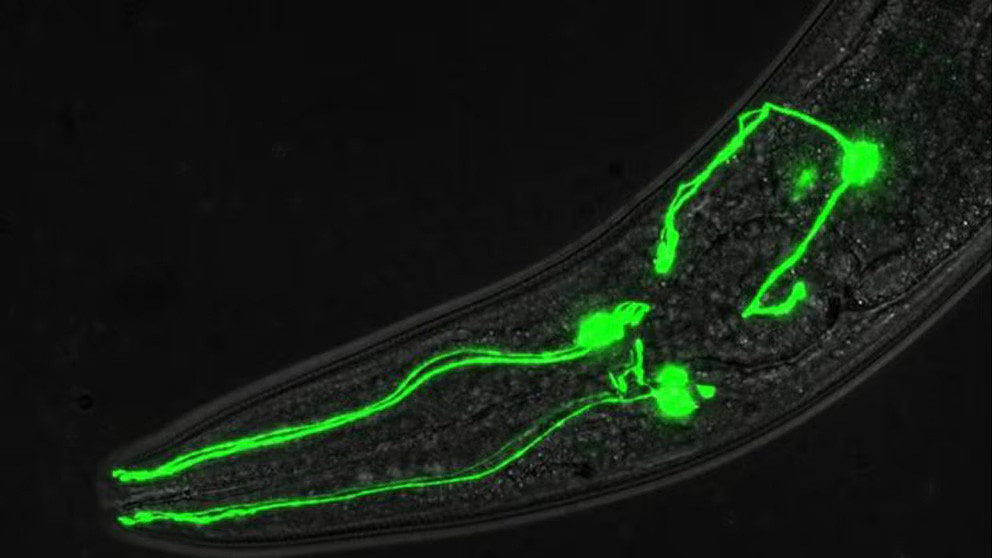
During the operational phase, scientists monitor the organisms' well-being. They use fluorescent and optical signals captured in video and high-resolution photographs. The system's sensors document temperature, pressure, and radiation, transmitting all data to the British laboratories. This trial represents the first major microgravity biological sciences project led by Leicester, in collaboration with the British aerospace company Voyager Space Technologies.
These tiny worms could unlock fundamental insights for the future of human spaceflight.
Liz Lloyd, the UK Space Minister, highlighted the mission's importance. She stated that these tiny worms could unlock fundamental insights for the future of human spaceflight. The minister added that the project demonstrates the creativity and drive of British space science. It leverages a small experiment to tackle one of the most complex challenges: protecting human health on long-duration flights.
Dr. Tim Etheridge, an expert in physiology at Exeter, contextualized the study's relevance. He explained that NASA's Artemis program will open a new era of exploration. Astronauts will live and work on the Moon for extended periods. To achieve this safely, understanding how the human body responds to deep space's extreme conditions is essential. Studying how these worms survive and adapt in orbit will provide vital information.
Article topics
Related articles

NASA Reveals New Path for Earth's Essential Life Elements
A recent study, published in Science Advances, uncovers how early Earth may have received phosphorus and nitrogen, highlighting Jupiter's critical role.
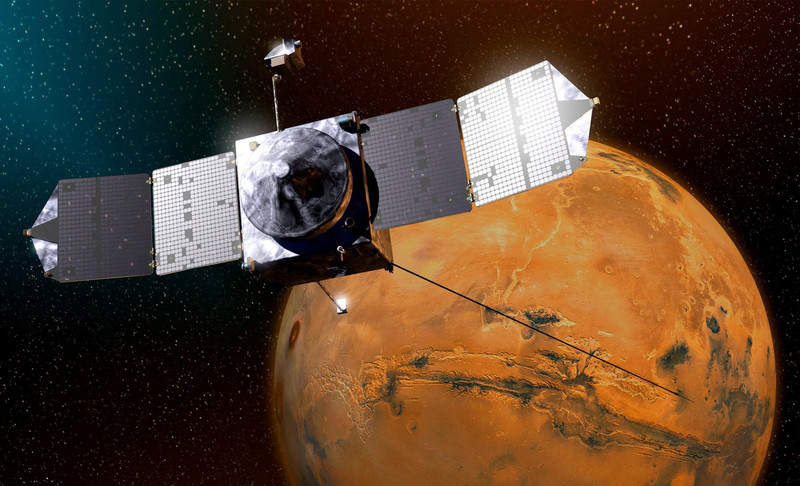
NASA's Maven Mars Orbiter Declared Out of Service After Six Months of Silence
Following an anomaly that disrupted its orbit and depleted its batteries, the Maven spacecraft, vital for understanding Mars' atmosphere, has ended its active mission. Its scientific data remains an invaluable legacy.
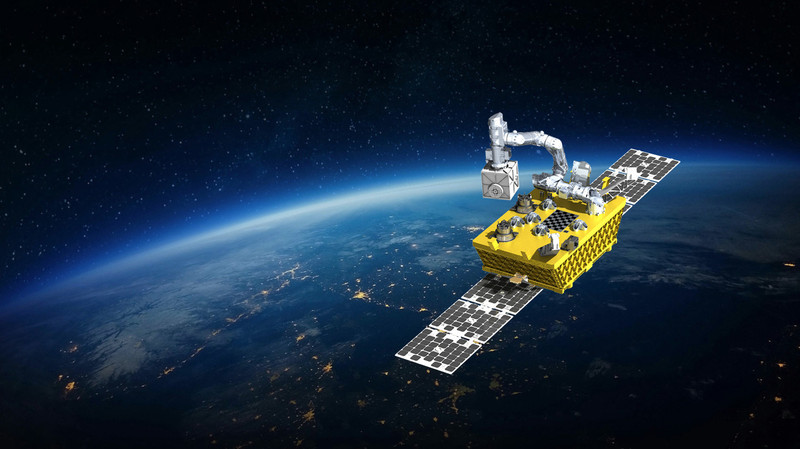
NASA Space Robotics Challenge
NASA invites U.S. researchers to submit proposals for experiments using a robotic arm that will be sent to low Earth orbit as part of the Fly Foundational Robots mission.
Latest news
View all
Stuntman Hollywood: Returns After 19 Years to PS5, Xbox Series, and PC
The iconic action and vehicular stunt franchise makes its comeback courtesy of Saber Interactive, promising a dose of nostalgia and adrenaline for the new generation.

Windows Drops NTLM: Microsoft Boosts Security with Kerberos
Microsoft is taking a crucial step to bolster security in Windows 11, announcing the deprecation of NTLM, its oldest authentication protocol, in favor of Kerberos.

Google Launches Gemma 4 12B: Local AI for Your Laptop with 16GB RAM
Google's new artificial intelligence model aims to democratize access to generative AI, allowing it to run on average consumer computers.
Comments (0)
No comments yet. Be the first!
Leave a comment