
Water-Based Zinc-Ion Battery: A Safer, More Durable Lithium Alternative
A team of researchers recently unveiled an innovative water-based zinc-ion rechargeable battery. This breakthrough promises to transform energy storage with enhanced safety and lower costs.
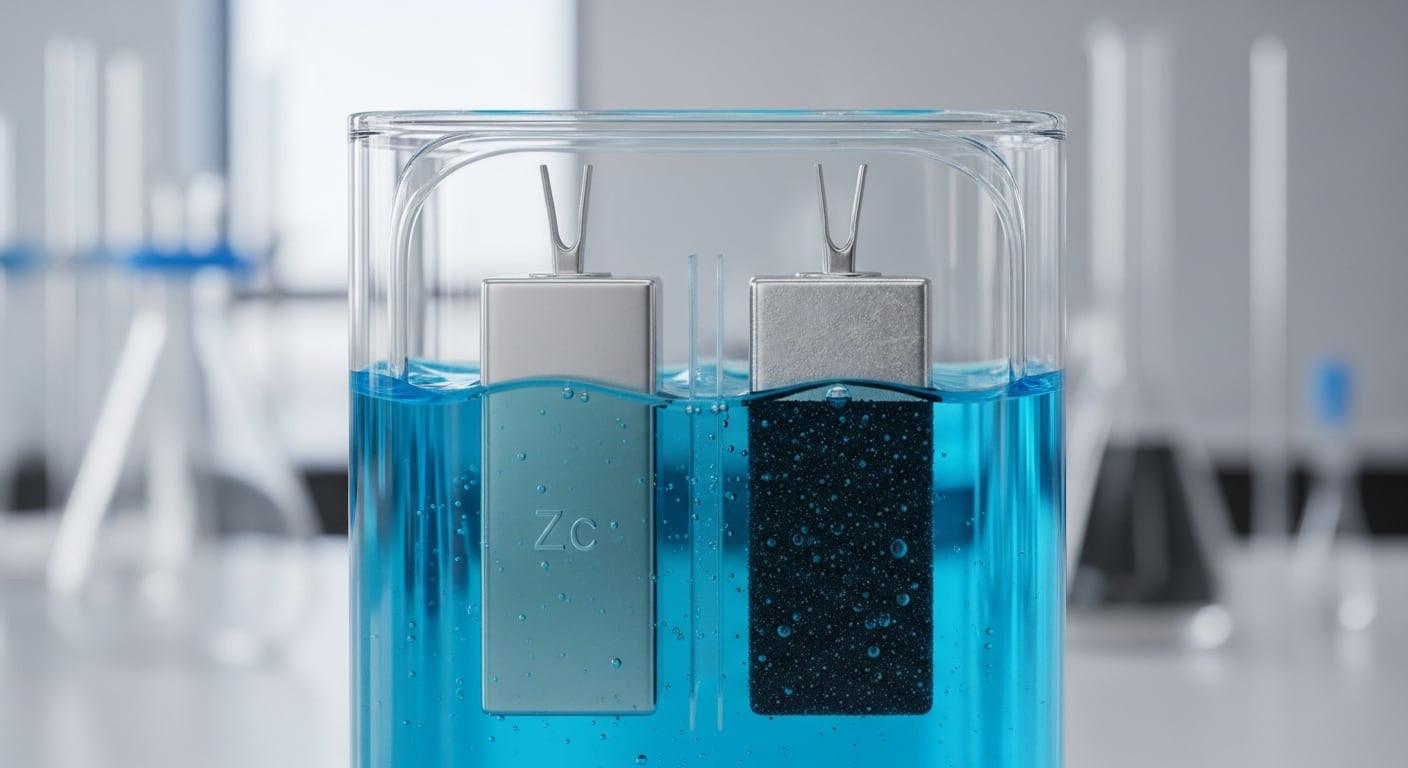
A team of researchers recently unveiled an innovative water-based zinc-ion rechargeable battery. This breakthrough, developed by the FAMU-FSU College of Engineering in the United States, promises to transform energy storage. It offers a safer, more cost-effective, and simpler alternative to current lithium batteries for both large-scale facilities and homes.
Lithium batteries currently dominate the market, yet they carry risks of overheating and fires. They also present a significant environmental impact. In contrast, the new battery utilizes zinc and water, drastically reducing these hazards. This also simplifies recycling and material handling. Results published in the "ACS Omega" journal demonstrate its impressive durability. The battery retains its capacity after more than 900 rapid charge and discharge cycles.
Aqueous zinc-ion batteries (AZIBs) have always garnered interest due to their lower cost and reduced environmental footprint. However, their adoption was limited by technical challenges. These included the growth of dendrites, which are small metallic formations capable of causing short circuits. They also faced complex manufacturing processes and limited long-term stability.
The team led by Professor Petru Andrei proposed an ingenious solution to these issues. They integrated a hydrogel-based electrolyte and manganese dioxide electrodeposition. This combination allows key components to form directly within the cell. This approach avoids additional steps and risks during manufacturing.
The non-flammable hydrogel is crucial for the battery's stability. This component effectively blocks dendrite formation. It comprises polyvinyl alcohol and nanofibers derived from Kevlar. Kevlar, known for its use in bulletproof vests, creates a resilient and flexible network. This network retains the electrolyte and provides exceptional battery protection.
The future of this technology is safe, low-cost energy storage.
Unlike traditional batteries, which require powder mixing, hazardous solvents, and multiple drying stages, this new method is far simpler. The entire process occurs in water, completely eliminating those complex steps. This reduces the need for specialized equipment and simplifies supervision on production lines. Professor Andrei stated that "it doesn't require mixing or drying steps, fitting naturally into industrial production lines." This innovation accelerates manufacturing and lessens reliance on harmful substances.
This water-based zinc-ion battery represents a significant advancement. It could mark a pivotal shift in how we store energy. Its promise of safety, durability, and simplified manufacturing positions it as a powerful alternative. It moves us closer to a more sustainable and accessible energy future for everyone.
Article topics
Related articles

NASA Reveals New Path for Earth's Essential Life Elements
A recent study, published in Science Advances, uncovers how early Earth may have received phosphorus and nitrogen, highlighting Jupiter's critical role.
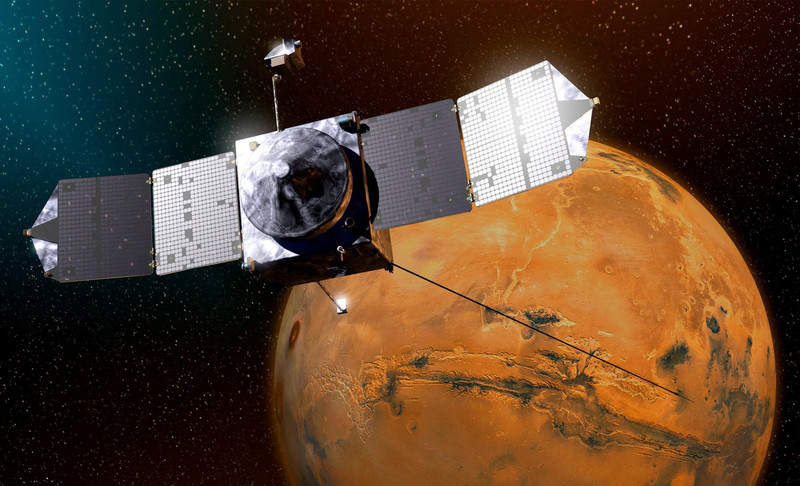
NASA's Maven Mars Orbiter Declared Out of Service After Six Months of Silence
Following an anomaly that disrupted its orbit and depleted its batteries, the Maven spacecraft, vital for understanding Mars' atmosphere, has ended its active mission. Its scientific data remains an invaluable legacy.
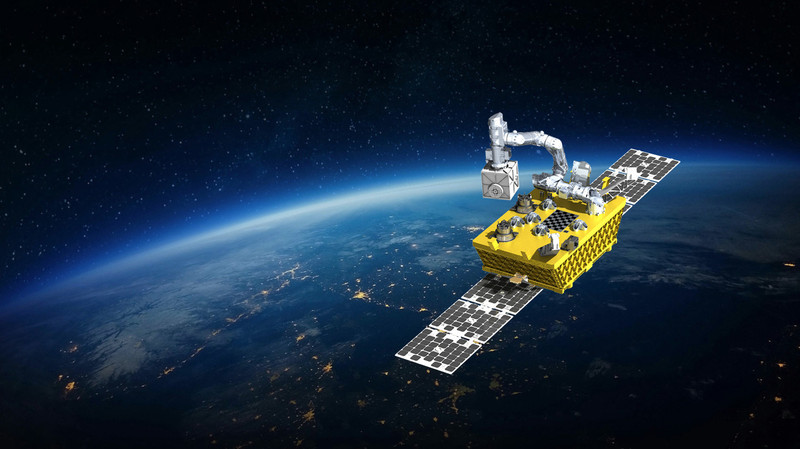
NASA Space Robotics Challenge
NASA invites U.S. researchers to submit proposals for experiments using a robotic arm that will be sent to low Earth orbit as part of the Fly Foundational Robots mission.
Latest news
View all
Stuntman Hollywood: Returns After 19 Years to PS5, Xbox Series, and PC
The iconic action and vehicular stunt franchise makes its comeback courtesy of Saber Interactive, promising a dose of nostalgia and adrenaline for the new generation.

Windows Drops NTLM: Microsoft Boosts Security with Kerberos
Microsoft is taking a crucial step to bolster security in Windows 11, announcing the deprecation of NTLM, its oldest authentication protocol, in favor of Kerberos.
Google Launches Gemma 4 12B: Local AI for Your Laptop with 16GB RAM
Google's new artificial intelligence model aims to democratize access to generative AI, allowing it to run on average consumer computers.
Comments (0)
No comments yet. Be the first!
Leave a comment