
The Productivity Trap: When System Optimization Prevents Real Work
We explore how the obsession with creating perfect productivity systems can become a sophisticated form of procrastination. Discover why managing work often feels like doing it, without achieving concrete results.

A concerning trend is solidifying within the tech and geek culture world: the creation of productivity systems so elaborate they paradoxically hinder actual production. We observe how the pursuit of efficiency transforms into a sophisticated distraction, consuming the time and energy it supposedly should free. This phenomenon affects many users, including our team, manifesting as an obsession with optimizing tools instead of executing tasks.
It is common to see creators on YouTube channels, newsletters, and social media showcasing their "perfect systems." They display Notion setups with complex relational databases or interconnected knowledge graphs in Obsidian. They detail morning routines, weekly, monthly, and quarterly review blocks. Everything is meticulously tagged, prioritized with flags, and organized between active or latent projects.
An overly sophisticated productivity system often proves its owner has stopped producing.
When observing these organizational displays, an inevitable question arises: when do these individuals find time to do the actual work? The reality is that an overly sophisticated productivity system often proves its owner has stopped producing. Building and maintaining these structures demands sustained attention, considerable cognitive energy, and many hours of screen time. These are precisely the resources the system should liberate.
Here lies the subtle trap that philosophies like GTD or the "second brain" have created, perhaps unintentionally. They have made managing work feel like the work itself. This sense of activity generates the satisfaction of a completed task. We receive a dopamine hit without having finished any concrete labor. Reorganizing notes in Obsidian for hours might feel productive, but it is not.
This phenomenon has a technical name, though rarely used due to its frankness: structured procrastination. It involves performing legitimate and even useful activities that are not the main task needing attention. In its simplest version, it means tidying the desk before starting to write a report. In its current manifestation, it involves spending the afternoon building the perfect idea capture flow, instead of generating a single idea.
Artificial intelligence has magnified this dynamic, multiplying its effects. Now, systems can be even more complex, automated, and impressive. We can have AI agents that classify notes, summarize readings, or generate weekly reports of everything captured. The "second brain" evolves into an almost self-contained entity, with its internal processes and maintenance needs. Meanwhile, we constantly dedicate ourselves to feeding it.
Ultimately, this situation reveals an uncomfortable truth about our relationship with work. Most of us, deep down, prefer to prepare to do something rather than simply doing it. True productivity does not reside in the complexity of our tools, but in direct, focused action.
Article topics
Related articles

NASA Reveals New Path for Earth's Essential Life Elements
A recent study, published in Science Advances, uncovers how early Earth may have received phosphorus and nitrogen, highlighting Jupiter's critical role.
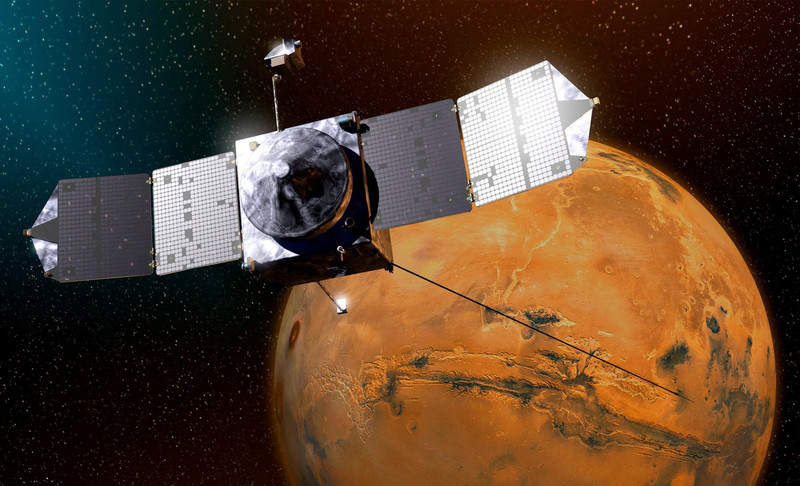
NASA's Maven Mars Orbiter Declared Out of Service After Six Months of Silence
Following an anomaly that disrupted its orbit and depleted its batteries, the Maven spacecraft, vital for understanding Mars' atmosphere, has ended its active mission. Its scientific data remains an invaluable legacy.
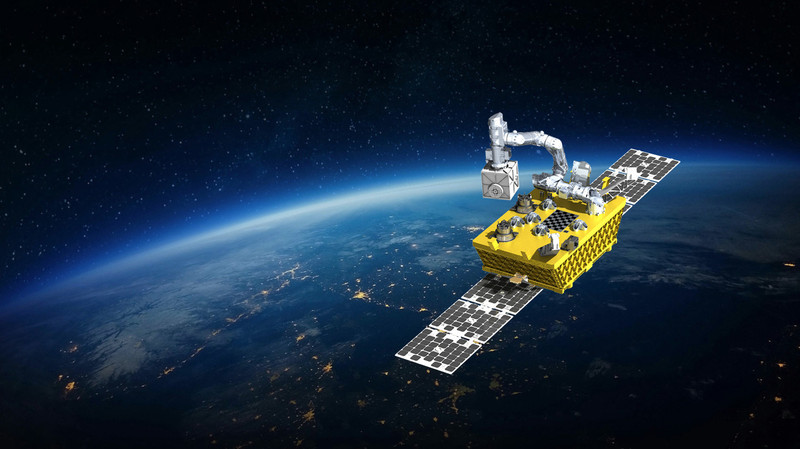
NASA Space Robotics Challenge
NASA invites U.S. researchers to submit proposals for experiments using a robotic arm that will be sent to low Earth orbit as part of the Fly Foundational Robots mission.
Latest news
View all
Stuntman Hollywood: Returns After 19 Years to PS5, Xbox Series, and PC
The iconic action and vehicular stunt franchise makes its comeback courtesy of Saber Interactive, promising a dose of nostalgia and adrenaline for the new generation.

Windows Drops NTLM: Microsoft Boosts Security with Kerberos
Microsoft is taking a crucial step to bolster security in Windows 11, announcing the deprecation of NTLM, its oldest authentication protocol, in favor of Kerberos.
Google Launches Gemma 4 12B: Local AI for Your Laptop with 16GB RAM
Google's new artificial intelligence model aims to democratize access to generative AI, allowing it to run on average consumer computers.
Comments (0)
No comments yet. Be the first!
Leave a comment