
Teruel Set to Become Europe's First 'Astroport' with XXXL Hangar for Stratospheric Airships
Defying expectations, Teruel, a city far from Europe's industrial hubs, is constructing a colossal hangar for stratospheric airships, aiming to establish the continent's first 'astroport' and a pivotal center for aerospace innovation at 20,000 meters altitude.
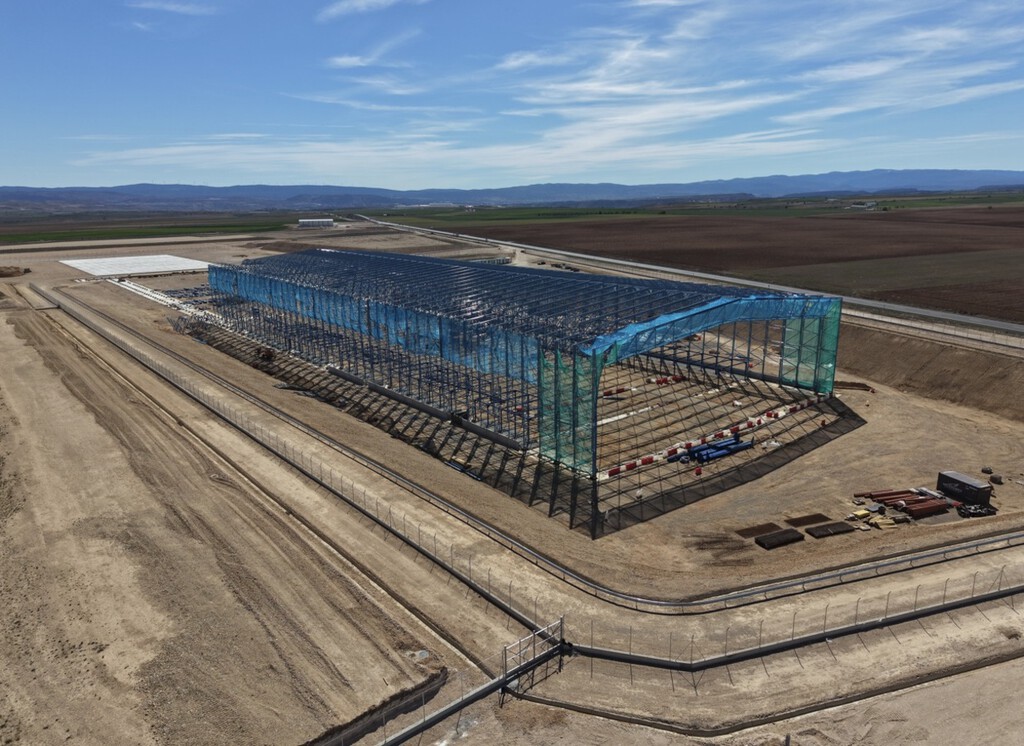
In an unexpected turn for the European aerospace landscape, the quiet city of Teruel, located in Spain's Aragon region, is rapidly positioning itself as a future epicenter of stratospheric innovation. Far from the continent's bustling metropolises or established industrial powerhouses, Teruel is currently building a cutting-edge facility poised to redefine operations involving high-altitude aircraft. This ambitious project, already taking tangible shape, is none other than Europe's first "astroport" or "stratoport," specifically designed to accommodate and operate airships capable of reaching altitudes of 20,000 meters. The sheer scale of its hangar and the unique nature of its purpose make it a pioneering initiative that is drawing significant attention from the tech and aerospace communities.
Teruel's Stratospheric Vision: A New Aerospace Frontier
At the core of this groundbreaking project is an XXXL hangar, a colossal structure that will serve as the primary base for High Altitude Platform Systems (HAPS) type airships. These advanced aircraft are engineered to operate in the stratosphere, a region of the atmosphere offering unparalleled advantages for a diverse range of applications. These include enhanced Earth observation, advanced telecommunications, environmental monitoring, and scientific research. Teruel's capacity to host the entire lifecycle of these units – from construction and assembly to maintenance and recycling – is set to establish it as an indispensable reference point in Europe. The Aragonese government has emphasized that this facility will be "singular and unique in Europe," not merely due to its impressive size, but because of the comprehensive suite of services it will offer, solidifying Teruel's role as a strategic hub for the next generation of aerospace technology.
Project Progress and Detailed Timeline
Construction of this aerospace complex, which commenced in March 2025, is progressing at an accelerated pace, as recently observed by Octavio López, Aragon's acting Minister of Public Works, during a site visit. Photographs shared from the visit clearly show the metallic skeleton of the hangar already silhouetted against the horizon, a visible testament to the project's rapid advancement. During his visit, López clarified the project timeline, confirming that the goal is to have the construction work completed before the end of 2026. Following this, the tender process is expected to be launched in the last quarter of 2026, with the ambitious aim for the complex to be fully operational and active during the first quarter of 2027, after all pending administrative procedures are finalized. This aggressive schedule underscores the Aragonese authorities' determination to bring this visionary project to fruition.
Beyond the Hangar: A Comprehensive Stratospheric Operations Center
The concept of an "astroport" or "stratoport" in Teruel extends far beyond merely being a launch and landing strip. It is envisioned as a comprehensive center for the entire lifecycle of stratospheric aircraft. This includes not only launch and landing capabilities but also flight control, component manufacturing, aircraft assembly, preventive and corrective maintenance, and ultimately, recycling. This holistic capability is what truly distinguishes the project, positioning Teruel as a hub of knowledge and advanced technology. The presence of Teruel's Mayor, Emma Buj, and the airport director during the Minister's visit further highlights the joint commitment of local and regional institutions to this transformative endeavor.
Strategic Importance and Regional Impact
The significance of this astroport for Teruel and the entire Aragon region is multifaceted. Firstly, it represents a qualitative leap in Spain's and Europe's aerospace infrastructure, opening new avenues for research and development in an emerging field. Secondly, it is projected to generate a substantial economic impact, attracting investment, creating highly skilled jobs, and fostering an ecosystem of technology and service companies. By equipping Teruel Airport with capabilities for stratospheric flight aircraft, the region becomes a key player in the race to harness the stratosphere – a domain with immense potential for global connectivity, Earth observation, and scientific exploration. With this initiative, Teruel is not only reaching for the stratosphere but also elevating its own profile as a center of innovation and progress.
Article topics
Related articles

Windows Drops NTLM: Microsoft Boosts Security with Kerberos
Microsoft is taking a crucial step to bolster security in Windows 11, announcing the deprecation of NTLM, its oldest authentication protocol, in favor of Kerberos.

Chrome Bolsters Security with DBSC Against Cookie Theft
Google Chrome has rolled out a new DBSC feature, linking sessions to your hardware to protect accounts from credential theft attacks.

Roku's home screen gets an AI-powered refresh for 2026
Roku is rolling out a significant update to its main interface, promising a more personalized experience with integrated advertising.
Latest news
View all
Stuntman Hollywood: Returns After 19 Years to PS5, Xbox Series, and PC
The iconic action and vehicular stunt franchise makes its comeback courtesy of Saber Interactive, promising a dose of nostalgia and adrenaline for the new generation.
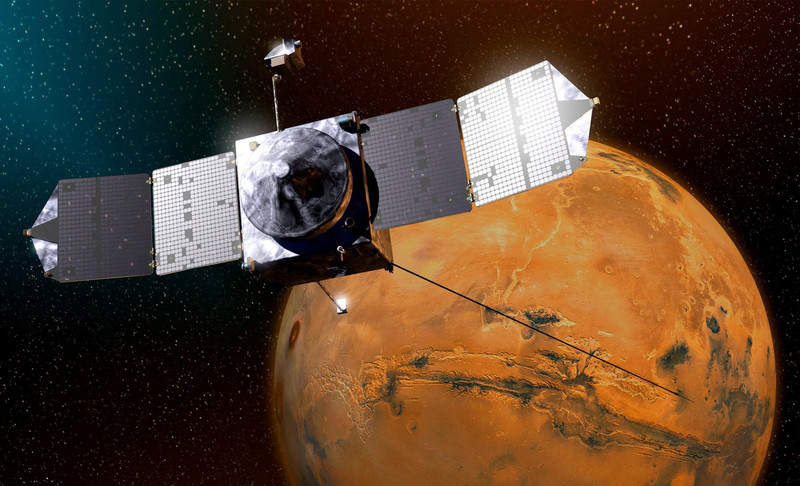
NASA's Maven Mars Orbiter Declared Out of Service After Six Months of Silence
Following an anomaly that disrupted its orbit and depleted its batteries, the Maven spacecraft, vital for understanding Mars' atmosphere, has ended its active mission. Its scientific data remains an invaluable legacy.

NASA Reveals New Path for Earth's Essential Life Elements
A recent study, published in Science Advances, uncovers how early Earth may have received phosphorus and nitrogen, highlighting Jupiter's critical role.
Comments (0)
No comments yet. Be the first!
Leave a comment