
Revolutionary Stem Cell Advance Offers Personalized Insulin for Type 1 Diabetes
A team at Sweden's Karolinska Institute successfully created functional insulin cells from human stem cells, restoring blood sugar control in animal models. This discovery ushers in a new era for Type 1 diabetes treatment.
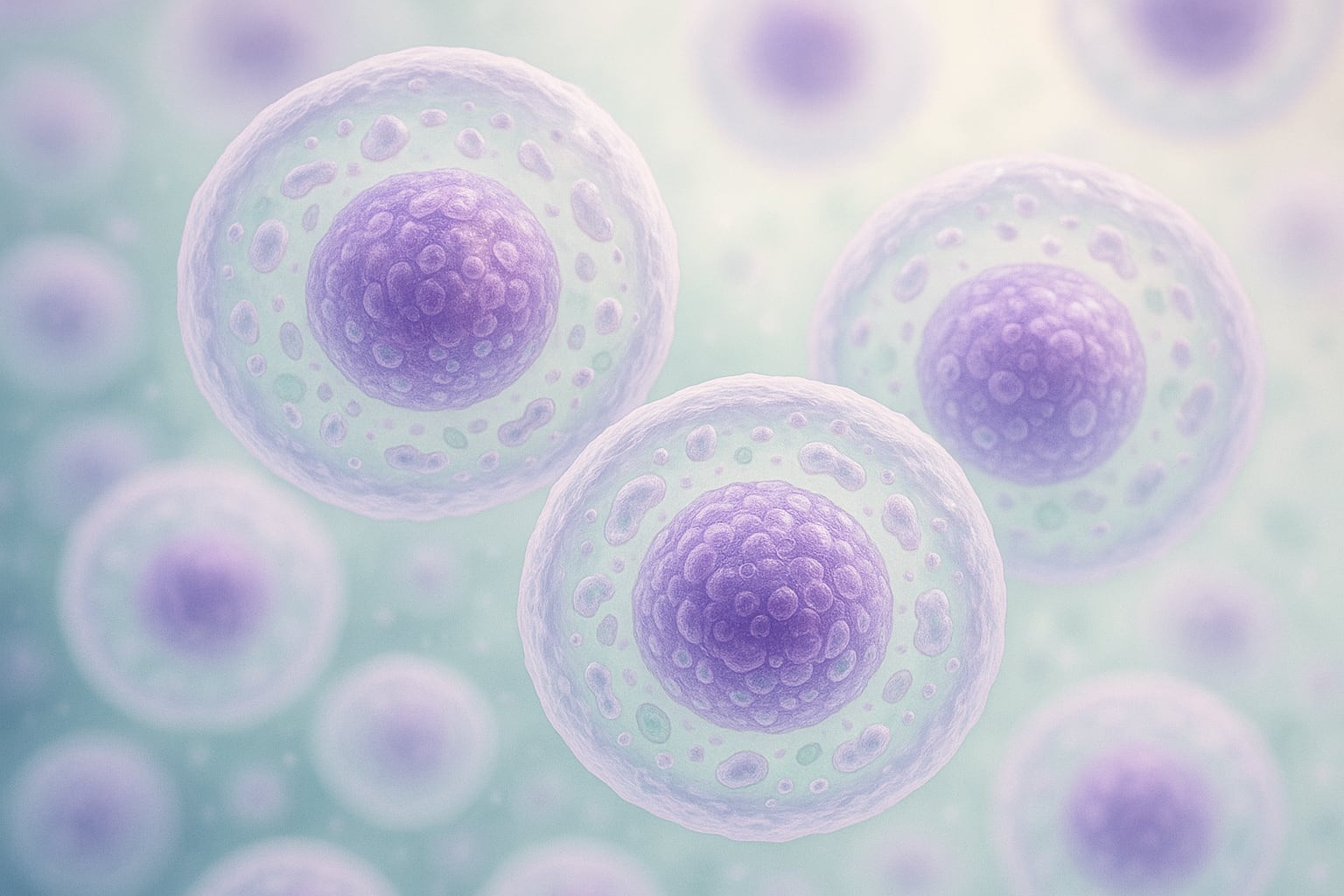
A team of researchers at Sweden's Karolinska Institute achieved a significant breakthrough in the fight against Type 1 diabetes. They developed a method to produce new insulin-producing cells from human stem cells. These cells successfully restored blood sugar control in animal models. This pivotal finding, published in the prestigious journal "Stem Cells Reports", offers concrete hope for millions and could transform the treatment of this chronic disease.
Individuals with Type 1 diabetes face a challenging reality: their immune system attacks and destroys the pancreas's beta cells, which are responsible for producing insulin. Without this vital hormone, glucose accumulates in the bloodstream, preventing the body from using it as energy. This condition forces patients to rely on daily insulin injections for survival, a routine that profoundly impacts their quality of life.
Until now, science sought ways to restore the body's natural ability to produce its own insulin. Traditional pancreas or islet cell transplants require compatible donors and lifelong immunosuppressive medication to prevent rejection. Previous attempts using stem cells also presented limitations, often yielding a mix of immature cell types. This reduced treatment efficacy and increased associated risks.
The Swedish team, led by Per-Olof Berggren, Siqin Wu, and Fredrik Lanner, overcame these obstacles by meticulously adjusting cell culture steps. They allowed the stem cells to form three-dimensional clusters, a crucial process for their maturation. This innovative technique drastically reduced the presence of unwanted cells and significantly improved the insulin-producing cells' response to glucose. They collaborated with scientists from the KTH Royal Institute of Technology, Spiber Technologies AB, and Lund University.
“We have developed a method that produces high-quality cells from various human stem cell lines,” Berggren stated. The resulting cells demonstrated superior purity and maturity, reacting to sugar similarly to a healthy pancreas. In laboratory tests, these cells effectively secreted insulin in the presence of glucose, outperforming previous methods.
The most critical step involved transplanting these cells into mice with Type 1 diabetes. Researchers performed the transplantation into the anterior chamber of the eye. This strategic location allowed them to observe the cells' development and function for several months. The results were extraordinary: the animals regained blood glucose control, and the transplanted cells maintained their function sustainably.
We observed that the cells gradually matured after transplantation, maintaining their ability to regulate blood sugar for several months, which demonstrates their potential for future treatments.
This breakthrough suggests a future where personalized insulin cell transplants, derived from a patient's own stem cells, could eliminate the need for daily injections and immunosuppressive medication. The possibility of restoring pancreatic function long-term opens a hopeful path for millions of people living with Type 1 diabetes worldwide.
Article topics
Related articles

NASA Reveals New Path for Earth's Essential Life Elements
A recent study, published in Science Advances, uncovers how early Earth may have received phosphorus and nitrogen, highlighting Jupiter's critical role.
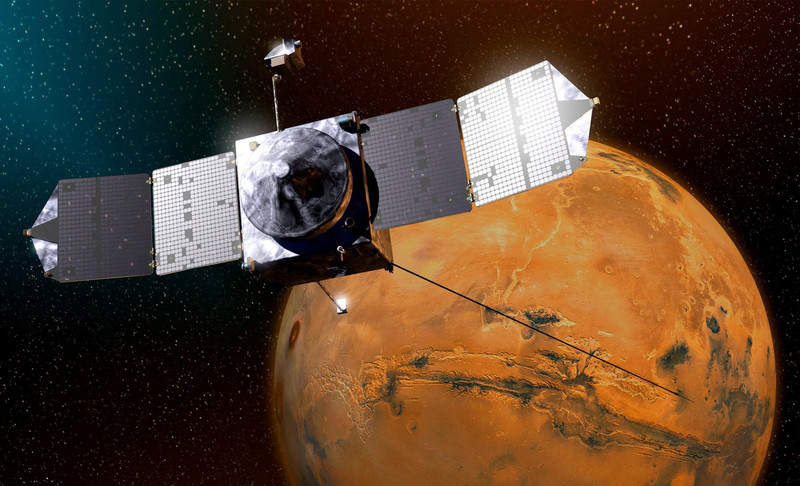
NASA's Maven Mars Orbiter Declared Out of Service After Six Months of Silence
Following an anomaly that disrupted its orbit and depleted its batteries, the Maven spacecraft, vital for understanding Mars' atmosphere, has ended its active mission. Its scientific data remains an invaluable legacy.
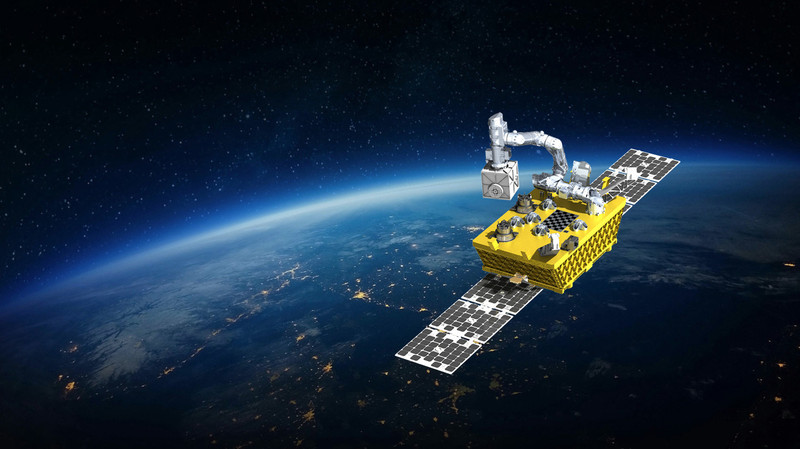
NASA Space Robotics Challenge
NASA invites U.S. researchers to submit proposals for experiments using a robotic arm that will be sent to low Earth orbit as part of the Fly Foundational Robots mission.
Latest news
View all
Stuntman Hollywood: Returns After 19 Years to PS5, Xbox Series, and PC
The iconic action and vehicular stunt franchise makes its comeback courtesy of Saber Interactive, promising a dose of nostalgia and adrenaline for the new generation.

Windows Drops NTLM: Microsoft Boosts Security with Kerberos
Microsoft is taking a crucial step to bolster security in Windows 11, announcing the deprecation of NTLM, its oldest authentication protocol, in favor of Kerberos.

Google Launches Gemma 4 12B: Local AI for Your Laptop with 16GB RAM
Google's new artificial intelligence model aims to democratize access to generative AI, allowing it to run on average consumer computers.
Comments (0)
No comments yet. Be the first!
Leave a comment