
Proposed Class Action Accuses Apple of Scraping Millions of YouTube Videos for AI Training
A proposed class-action lawsuit alleges Apple utilized millions of YouTube videos without authorization to train its artificial intelligence models, citing findings detailed in a late 2024 study.

Apple Faces Lawsuit Over Alleged YouTube Data Scraping
Tech giant Apple is facing a new legal challenge that could have far-reaching implications for the artificial intelligence industry. A proposed class-action lawsuit alleges that the company utilized millions of YouTube videos, acquired through data scraping, to train its AI models without proper authorization or compensation. This accusation is reportedly based on findings detailed in a study published in late 2024, which purportedly describes the use of a vast dataset derived from the popular video platform. The case underscores the escalating tension between the insatiable demand for data in AI development and the rights of content creators, a topic of increasing relevance for Tricuatro's audience.
Unpacking the Allegations: What Data Scraping Entails
According to the lawsuit filings, Apple is accused of engaging in the mass, automated collection of content from YouTube. Data scraping involves using software programs to extract large volumes of information from websites, often without the explicit consent of the content owners or the platform itself. In this instance, the lawsuit claims that millions of videos were harvested to form a crucial dataset for training an Apple artificial intelligence model. The reference to the late 2024 study is pivotal, as it suggests that external researchers have identified and documented this specific use, providing an empirical foundation for the legal allegations and raising questions about Apple's data acquisition practices.
AI Training, Copyright, and the Ethical Data Sourcing Debate
Training artificial intelligence models, particularly large language models (LLMs) and generative AI, requires immense quantities of data. These datasets typically encompass text, images, audio, and video, which algorithms analyze to learn patterns, styles, and knowledge. However, the sourcing of this data has become a significant point of contention. Much of the content available online is protected by copyright, and its use for commercial purposes without licensing or permission raises serious questions about infringement. The AI industry grapples with an ethical and legal dilemma: is "fair use" applicable to AI training, or should companies compensate creators for the value their works contribute to these models? This Apple case could be a defining moment.
Legal and Industry Ramifications for Tech Giants
Should this proposed class-action lawsuit proceed, the implications for Apple could be substantial. Beyond potential financial penalties for copyright infringement and violations of YouTube's terms of service, the case could set a significant precedent for how tech companies approach AI data acquisition. The lawsuit not only seeks compensation for affected content creators but also aims to establish clear boundaries regarding what constitutes acceptable use of publicly available data for AI training. Ethically, the accusation raises questions about the transparency and accountability of major corporations in their pursuit of AI innovation, a critical discussion point for the tech community.
Apple's Silence and the Future of AI Regulation
As of now, Apple has not issued an official public statement in response to this proposed lawsuit. The company, known for its stringent privacy policies and carefully cultivated brand image, now faces scrutiny over its internal AI development practices. This case adds to a growing wave of litigation challenging leading AI companies over the unauthorized use of data. The outcome of this lawsuit could influence future regulations concerning data usage in AI, potentially compelling companies to be more transparent and to seek licensing agreements with content creators, thereby reshaping the landscape of intellectual property in the age of artificial intelligence and impacting how portals like Tricuatro report on such developments.
Conclusion: A Landmark Case for AI Ethics
In summary, the proposed class-action lawsuit against Apple for allegedly scraping millions of YouTube videos for AI training is a critical development in the ongoing debate surrounding AI ethics and legality. This case not only tests the boundaries of intellectual property in the digital realm but also highlights the urgent need for clear legal and ethical frameworks to guide the development and deployment of AI technologies, ensuring a fair balance between technological innovation and the rights of creators. The resolution of this legal battle will be closely watched by the entire tech industry and copyright advocates alike.
Related articles

Windows Drops NTLM: Microsoft Boosts Security with Kerberos
Microsoft is taking a crucial step to bolster security in Windows 11, announcing the deprecation of NTLM, its oldest authentication protocol, in favor of Kerberos.

Chrome Bolsters Security with DBSC Against Cookie Theft
Google Chrome has rolled out a new DBSC feature, linking sessions to your hardware to protect accounts from credential theft attacks.

Roku's home screen gets an AI-powered refresh for 2026
Roku is rolling out a significant update to its main interface, promising a more personalized experience with integrated advertising.
Latest news
View all
Stuntman Hollywood: Returns After 19 Years to PS5, Xbox Series, and PC
The iconic action and vehicular stunt franchise makes its comeback courtesy of Saber Interactive, promising a dose of nostalgia and adrenaline for the new generation.
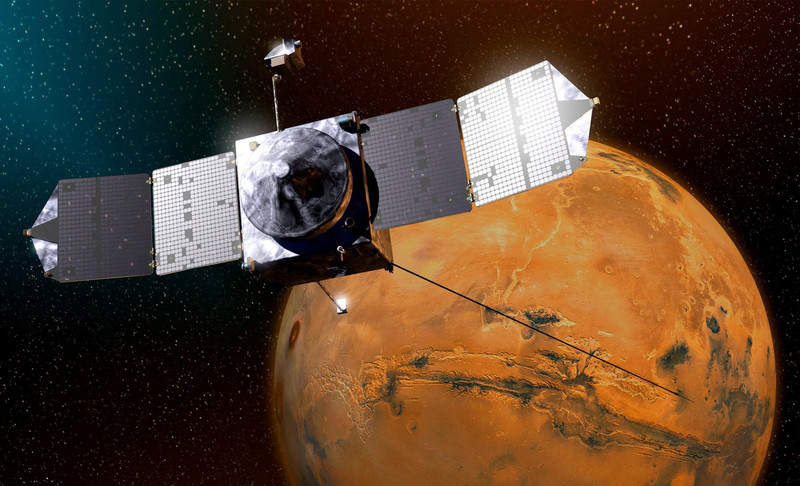
NASA's Maven Mars Orbiter Declared Out of Service After Six Months of Silence
Following an anomaly that disrupted its orbit and depleted its batteries, the Maven spacecraft, vital for understanding Mars' atmosphere, has ended its active mission. Its scientific data remains an invaluable legacy.

NASA Reveals New Path for Earth's Essential Life Elements
A recent study, published in Science Advances, uncovers how early Earth may have received phosphorus and nitrogen, highlighting Jupiter's critical role.
Comments (0)
No comments yet. Be the first!
Leave a comment