
Physicists Resolve the Long-Standing Proton Size Puzzle
After years of conflicting measurements, new experimental data confirms a smaller proton radius, closing a significant chapter in fundamental physics.
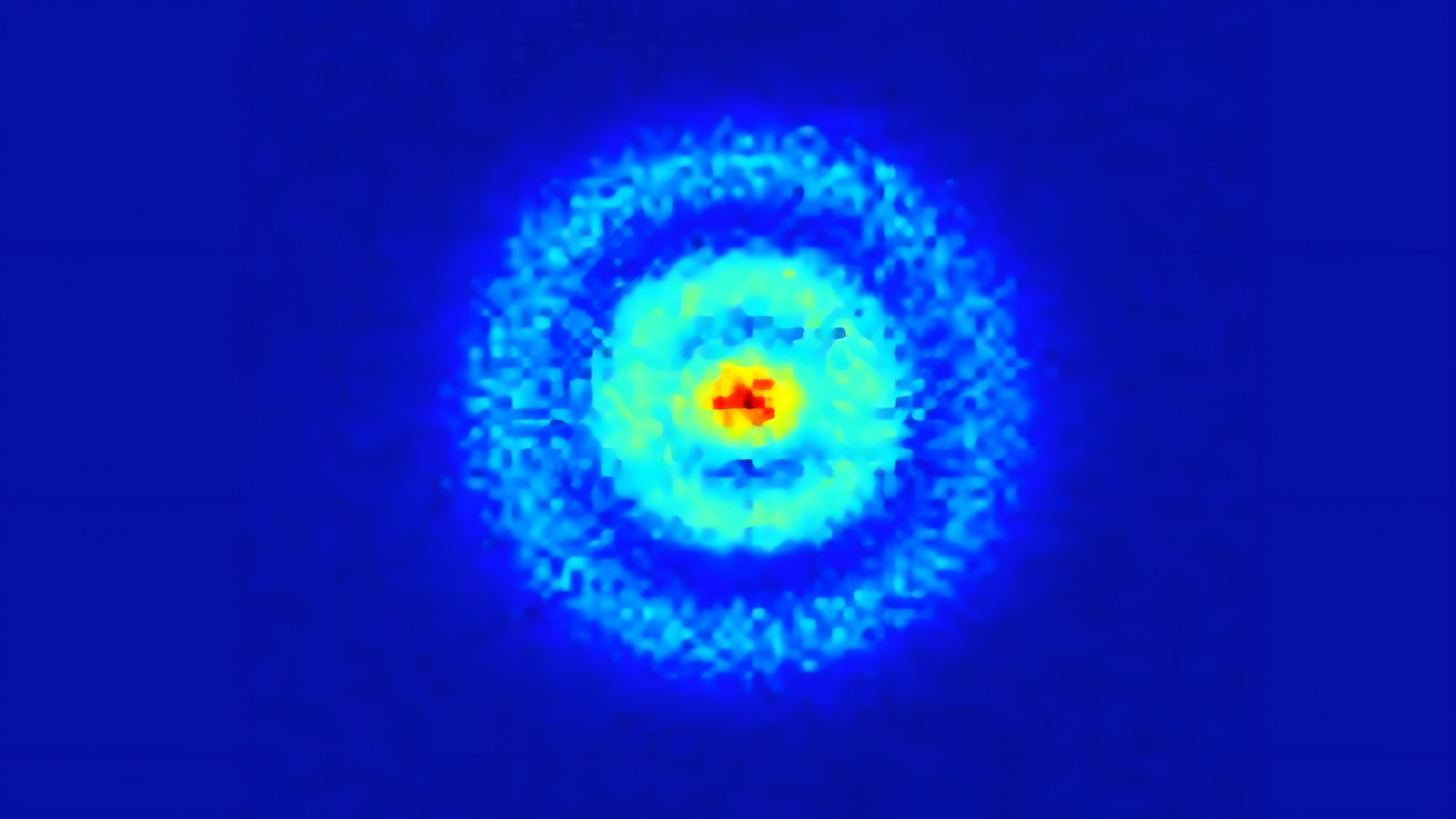
The scientific community has made a significant breakthrough, resolving the "proton radius puzzle" that has challenged physicists for the past fifteen years. New experimental measurements, published in the prestigious journals "Nature" and "Physical Review Letters", indicate that the proton is smaller than previously thought. This finding concludes a discrepancy that once hinted at the exciting possibility of "new physics" beyond our current standard model.
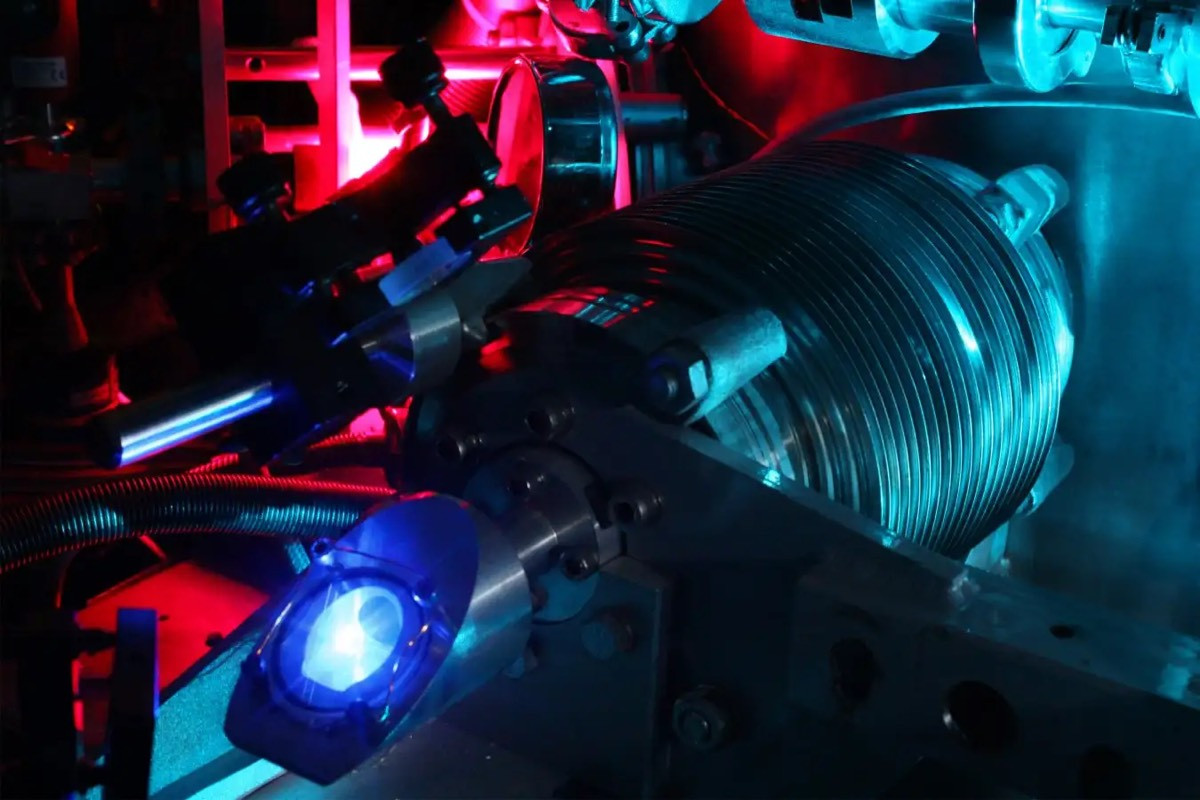
For a considerable time, measurements of the hydrogen atom's proton charge radius yielded conflicting results. Some experiments confirmed predictions from our strongest theoretical models. Others, however, consistently suggested a smaller size, creating substantial tension within the physics community. This inconsistency presented a genuine puzzle for those studying fundamental particles.
Now, the evidence strongly favors a reduced proton radius. The latest research has unified these results, dispelling the need to seek explanations in unknown physical phenomena. Lothar Maisenbacher from the University of California, Berkeley, a co-author of one of the "Nature" papers, stated definitively: "We believe this is the final nail in the coffin of the proton radius puzzle".
We believe this is the final nail in the coffin of the proton radius puzzle
To grasp the significance of this discovery, it's crucial to recall how we visualize the atom. While the popular Bohr model depicts electrons orbiting the nucleus in neat circles, quantum mechanics offers a far more precise description. Electrons do not orbit in fixed paths; they behave as waves that acquire particle-like properties when measured.
In reality, electrons exist in a superposition of states, simultaneously wave and particle. Their wave function encompasses all probabilities of their position at any given moment. A measurement collapses this function, revealing the electron's location. By performing a series of such measurements, scientists obtain a fuzzy, orbit-like pattern, which allows for the determination of the proton's charge radius within the nucleus.
This consensus on the proton's size strengthens our understanding of matter at fundamental scales. Although "new physics" wasn't discovered in this particular instance, the resolution of the puzzle showcases the precision and rigor of scientific inquiry. It stands as a testament to the power of experimentation in refining and validating our models of the universe!
Article topics
Related articles
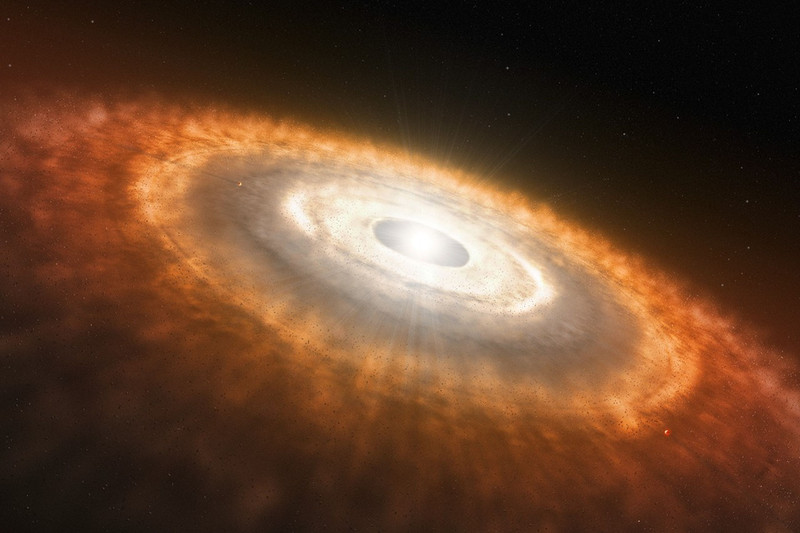
NASA Reveals New Path for Earth's Essential Life Elements
A recent study, published in Science Advances, uncovers how early Earth may have received phosphorus and nitrogen, highlighting Jupiter's critical role.
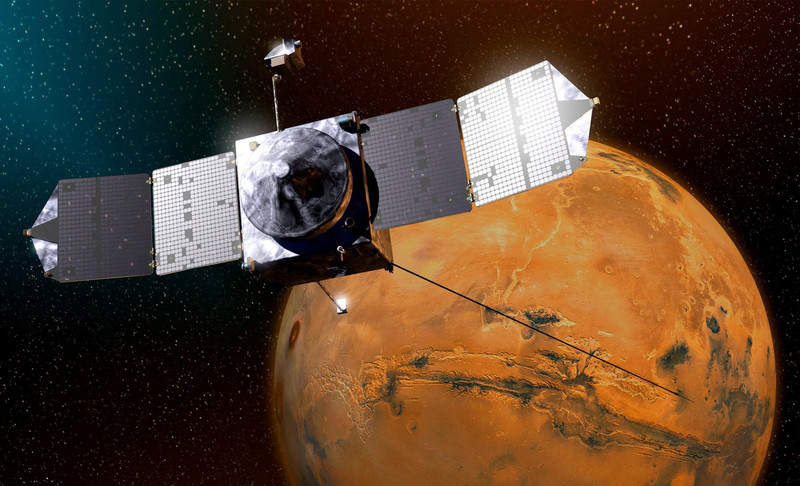
NASA's Maven Mars Orbiter Declared Out of Service After Six Months of Silence
Following an anomaly that disrupted its orbit and depleted its batteries, the Maven spacecraft, vital for understanding Mars' atmosphere, has ended its active mission. Its scientific data remains an invaluable legacy.
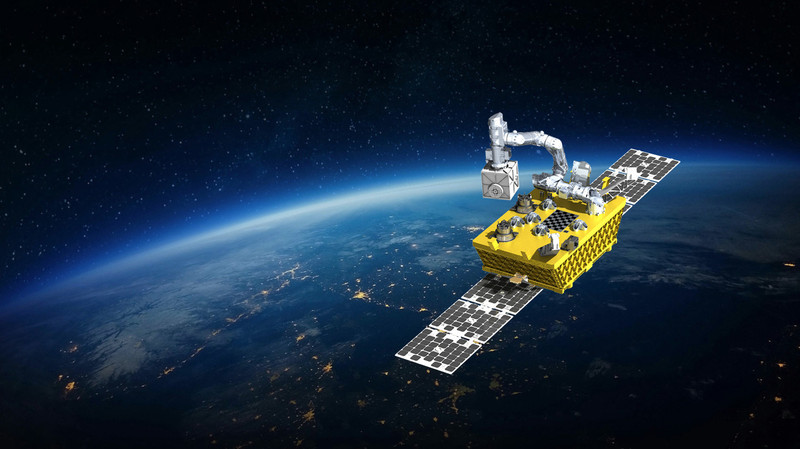
NASA Space Robotics Challenge
NASA invites U.S. researchers to submit proposals for experiments using a robotic arm that will be sent to low Earth orbit as part of the Fly Foundational Robots mission.
Latest news
View all
Stuntman Hollywood: Returns After 19 Years to PS5, Xbox Series, and PC
The iconic action and vehicular stunt franchise makes its comeback courtesy of Saber Interactive, promising a dose of nostalgia and adrenaline for the new generation.

Windows Drops NTLM: Microsoft Boosts Security with Kerberos
Microsoft is taking a crucial step to bolster security in Windows 11, announcing the deprecation of NTLM, its oldest authentication protocol, in favor of Kerberos.
Google Launches Gemma 4 12B: Local AI for Your Laptop with 16GB RAM
Google's new artificial intelligence model aims to democratize access to generative AI, allowing it to run on average consumer computers.
Comments (0)
No comments yet. Be the first!
Leave a comment