
Paraguay produces over 99% of its electricity from renewable sources
The South American country stands out globally for generating almost all its electricity through hydropower, establishing itself as a sustainability leader.
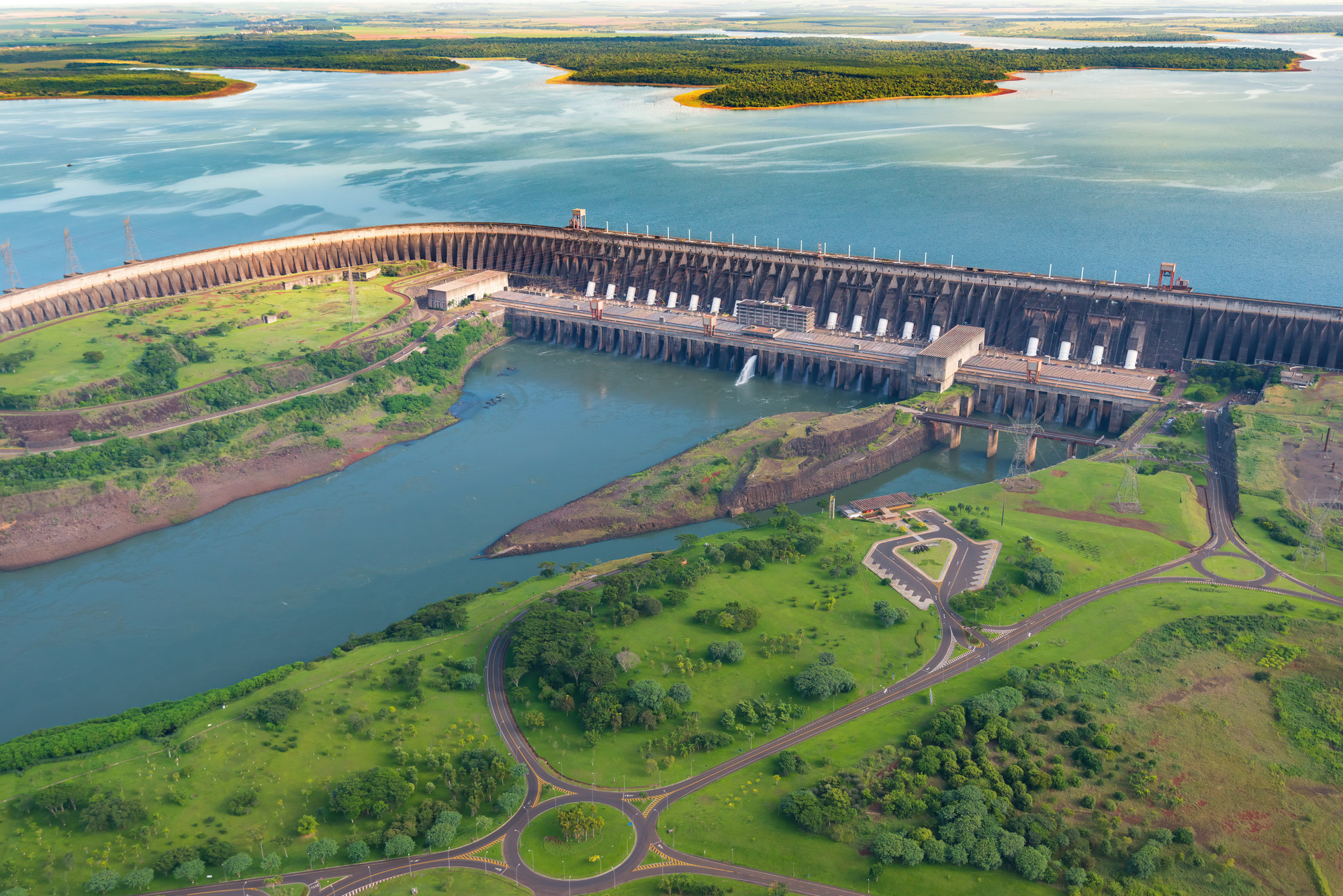
Paraguay has become one of the most remarkable examples worldwide in clean energy generation. Thanks to its abundant hydro resources, it produces over 99% of its electricity from renewable sources, mainly through hydroelectric plants. This positions the country as a regional leader in sustainability and energy transition.
The core of Paraguay’s energy model lies in its three major dams: Itaipú, Yacyretá, and Acaray. These facilities generate nearly all the electricity consumed domestically and also export surplus energy to neighboring countries, mainly Brazil and Argentina. Itaipú accounts for about 80% of total generation, Yacyretá around 18%, and Acaray the remaining 2%.
This setup makes Paraguay one of the countries with the highest renewable energy percentages globally. The excess electricity produced exceeds internal needs, turning energy into a key economic resource that boosts the country’s economy and regional integration.
Paraguay’s success is rooted in its water abundance, low domestic demand, and a well-developed energy infrastructure built over decades. Unlike other nations still reliant on fossil fuels, Paraguay has established a nearly emissions-free electrical system, creating a sustainable and stable model.
This leadership influences global discussions on sustainability and climate change. Paraguay proves that large-scale renewable energy transition is achievable, reducing fossil fuel dependence and environmental impact.
Furthermore, the stability and security of its renewable matrix help mitigate risks during geopolitical tensions or energy crises, reducing reliance on external markets. Exporting clean energy makes Paraguay a strategic regional player in energy integration.
On the global stage, Paraguay is part of a select group of countries with extremely high renewable generation levels, alongside Norway, Nepal, and Ethiopia, cementing its leadership in sustainable energy.
Article topics
Related articles

NASA Reveals New Path for Earth's Essential Life Elements
A recent study, published in Science Advances, uncovers how early Earth may have received phosphorus and nitrogen, highlighting Jupiter's critical role.
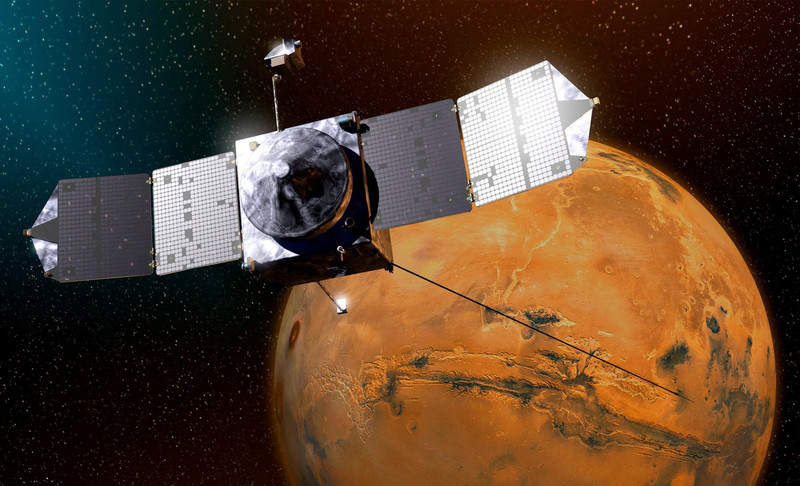
NASA's Maven Mars Orbiter Declared Out of Service After Six Months of Silence
Following an anomaly that disrupted its orbit and depleted its batteries, the Maven spacecraft, vital for understanding Mars' atmosphere, has ended its active mission. Its scientific data remains an invaluable legacy.
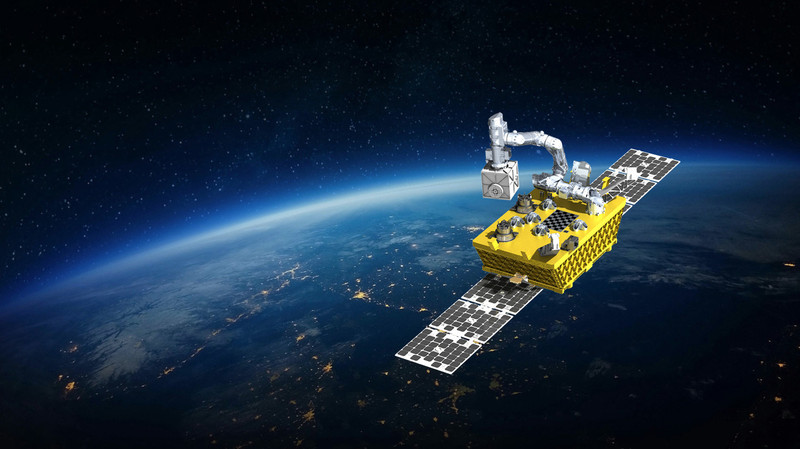
NASA Space Robotics Challenge
NASA invites U.S. researchers to submit proposals for experiments using a robotic arm that will be sent to low Earth orbit as part of the Fly Foundational Robots mission.
Latest news
View all
Stuntman Hollywood: Returns After 19 Years to PS5, Xbox Series, and PC
The iconic action and vehicular stunt franchise makes its comeback courtesy of Saber Interactive, promising a dose of nostalgia and adrenaline for the new generation.

Windows Drops NTLM: Microsoft Boosts Security with Kerberos
Microsoft is taking a crucial step to bolster security in Windows 11, announcing the deprecation of NTLM, its oldest authentication protocol, in favor of Kerberos.

Google Launches Gemma 4 12B: Local AI for Your Laptop with 16GB RAM
Google's new artificial intelligence model aims to democratize access to generative AI, allowing it to run on average consumer computers.
Comments (0)
No comments yet. Be the first!
Leave a comment