
Orion's Heat Shield: NASA's Critical Technology for Artemis 2's Lunar Return
The Artemis 2 mission faces an extreme challenge upon returning from the Moon, with the Orion capsule and its Avcoat heat shield enduring unimaginable temperatures and speeds. Despite unexpected damage during Artemis 1, NASA maintains confidence in this vital technology for astronaut safety.
The Extreme Thermal Challenge of Lunar Return
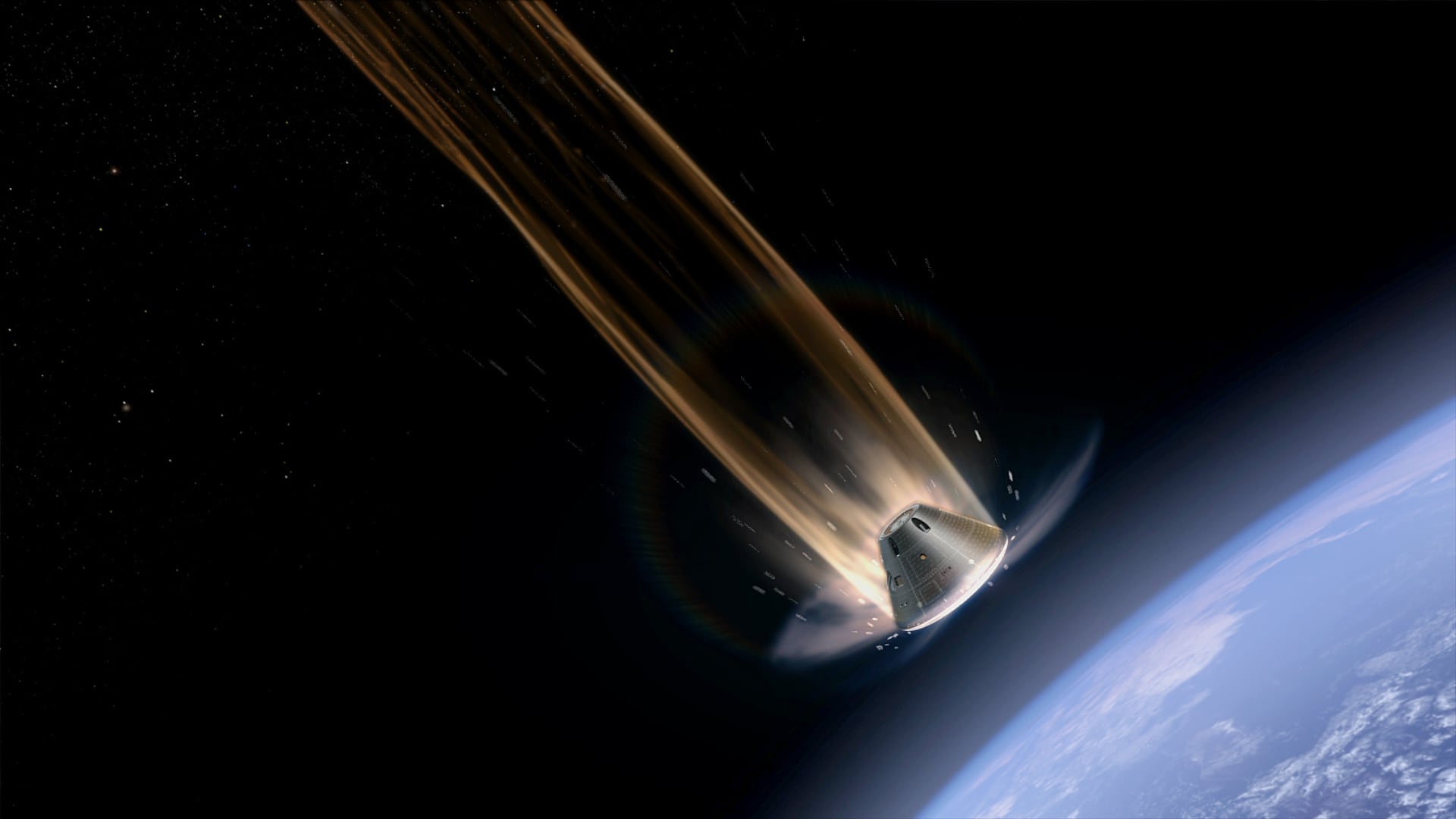
NASA's Artemis 2 mission is poised for a historic milestone: the first crewed journey around the Moon since the Apollo program. However, the return to Earth presents one of the most formidable technological challenges in modern space exploration. The Orion capsule, which will carry astronauts Reid Wiseman, Victor Glover, Christina Koch, and Jeremy Hansen, must withstand extreme conditions upon re-entering Earth's atmosphere. At an astonishing speed of 38,600 kilometers per hour (approximately 24,000 miles per hour), Orion's heat shield will become the sole barrier between the crew and scorching temperatures that can reach up to 2,760°C (5,000°F), comparable to half the visible surface of the Sun. This critical component must not only resist the intense heat but also the immense aerodynamic forces acting on the spacecraft, ensuring the safety of the four explorers.
The Technology Behind the Protection: Avcoat
At the heart of this thermal protection lies Orion's 5-meter (16.5-foot) diameter heat shield, constructed with an ablative material called Avcoat. This composite is designed for a vital function: to absorb and dissipate extreme heat through a process of controlled ablation. As the spacecraft traverses the upper layers of the atmosphere, the Avcoat progressively burns away and sheds, carrying thermal energy with it and protecting the internal structure and the crew. This mechanism allows the capsule to safely decelerate until it splashes down in the Pacific Ocean. Confidence in this system is high, as expressed by Amit Kshatriya, associate administrator for the mission, who stated: "we have a lot of confidence in the system, in the heat shield and the parachutes, as well as the recovery systems that we have integrated." This assurance is based on the successful tests of the uncrewed Artemis 1 mission in 2022, which validated the capsule's ability to withstand re-entry.
Lessons from Artemis 1: Unexpected Anomalies
Despite the overall success of Artemis 1, the uncrewed test mission revealed some concerns. During its re-entry, the Orion capsule executed a "skip" trajectory, a method involving a partial bounce off the atmosphere to dissipate energy and expand landing options. After recovery, NASA engineers identified over 100 points on the heat shield where the Avcoat material exhibited wear different from what was predicted. Instead of melting and shedding gradually and controllably, portions of the outer layer fragmented and broke off as debris. This anomalous behavior prompted an exhaustive investigation to understand the root cause of the problem.
The Root Cause: Permeability and Internal Pressure
Detailed analysis revealed that the damage was related to insufficient permeability of the Avcoat material under certain conditions. During the initial phase of re-entry, the extreme heat allowed gases generated by the internal decomposition of the material to escape through the outer layer. However, upon exiting the atmosphere during the "skip" maneuver and losing surface temperature, the charred layer of the Avcoat ceased to be permeable. Simultaneously, the interior of the material still retained high temperatures and continued to generate gases. This buildup of internal pressure, without adequate escape routes, caused the surface to rupture and fragments of the shield to be expelled—an undesirable phenomenon that could compromise the system's integrity in crewed missions.
Artemis 2: Confidence and Operational Adjustments
Despite the issues detected during Artemis 1, NASA made the decision to retain the original heat shield on the Artemis 2 capsule, identical to that of the previous mission. Replacing it with a new design would have entailed a significant delay, estimated at at least 18 months, impacting the timeline for the crewed lunar mission. The agency's confidence is based on the overall robustness of the design and the ability to mitigate risks through operational adjustments and comprehensive monitoring. While the original text does not detail the specific solution adopted, it is plausible that NASA has implemented modifications to the re-entry profile, optimized the parameters of the "skip" trajectory, or reinforced real-time data inspection and analysis protocols to ensure that the conditions leading to fragmentation in Artemis 1 are not repeated or are safely managed during the astronauts' return. Crew safety remains the utmost priority, and every decision is made based on rigorous analysis and accumulated experience.
The Future of Lunar Exploration and Safety
Orion's heat shield is not merely a piece of engineering; it is a testament to the complexity and ingenuity required for deep space exploration. The experience of Artemis 1, with its unexpected challenges, underscores the unforgiving nature of space and the importance of rigorous testing. NASA's decision to proceed with the existing shield for Artemis 2, backed by thorough analysis and confidence in its teams, reflects a balance between the ambition of exploration and prudence in safety. As humanity prepares to return to the Moon and, eventually, venture further, the ability to protect astronauts during atmospheric re-entry will remain a cornerstone of any successful mission, driving continuous innovation in thermal protection materials and techniques.
Article topics
Related articles

NASA Reveals New Path for Earth's Essential Life Elements
A recent study, published in Science Advances, uncovers how early Earth may have received phosphorus and nitrogen, highlighting Jupiter's critical role.
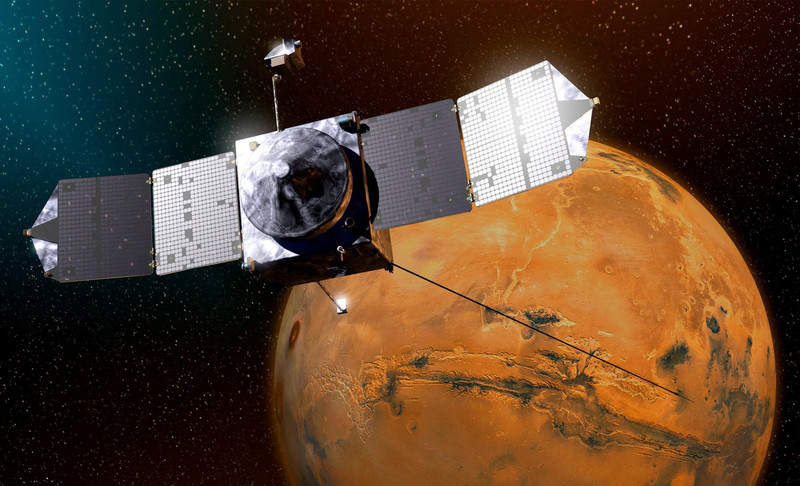
NASA's Maven Mars Orbiter Declared Out of Service After Six Months of Silence
Following an anomaly that disrupted its orbit and depleted its batteries, the Maven spacecraft, vital for understanding Mars' atmosphere, has ended its active mission. Its scientific data remains an invaluable legacy.
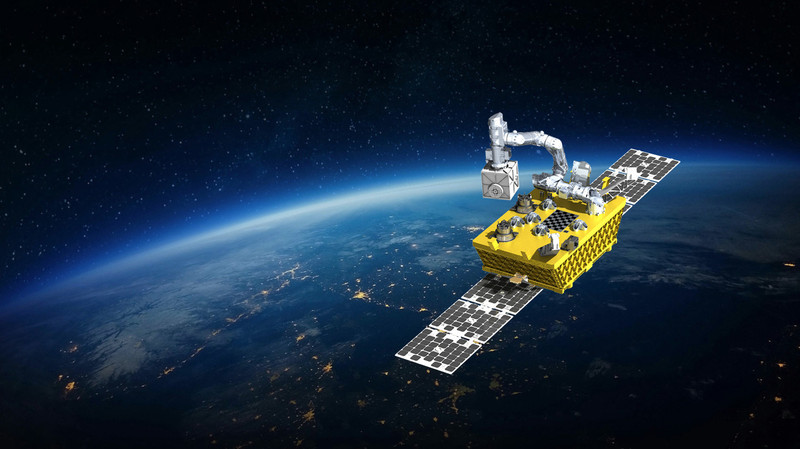
NASA Space Robotics Challenge
NASA invites U.S. researchers to submit proposals for experiments using a robotic arm that will be sent to low Earth orbit as part of the Fly Foundational Robots mission.
Latest news
View all
Stuntman Hollywood: Returns After 19 Years to PS5, Xbox Series, and PC
The iconic action and vehicular stunt franchise makes its comeback courtesy of Saber Interactive, promising a dose of nostalgia and adrenaline for the new generation.

Windows Drops NTLM: Microsoft Boosts Security with Kerberos
Microsoft is taking a crucial step to bolster security in Windows 11, announcing the deprecation of NTLM, its oldest authentication protocol, in favor of Kerberos.

Google Launches Gemma 4 12B: Local AI for Your Laptop with 16GB RAM
Google's new artificial intelligence model aims to democratize access to generative AI, allowing it to run on average consumer computers.
Comments (0)
No comments yet. Be the first!
Leave a comment