
NASA Sets Sights on Artemis III for 2027: The Next Lunar Leap
Following Artemis II's successful return, the U.S. space agency is accelerating preparations for the mission aiming to establish a lasting human presence on the Moon.
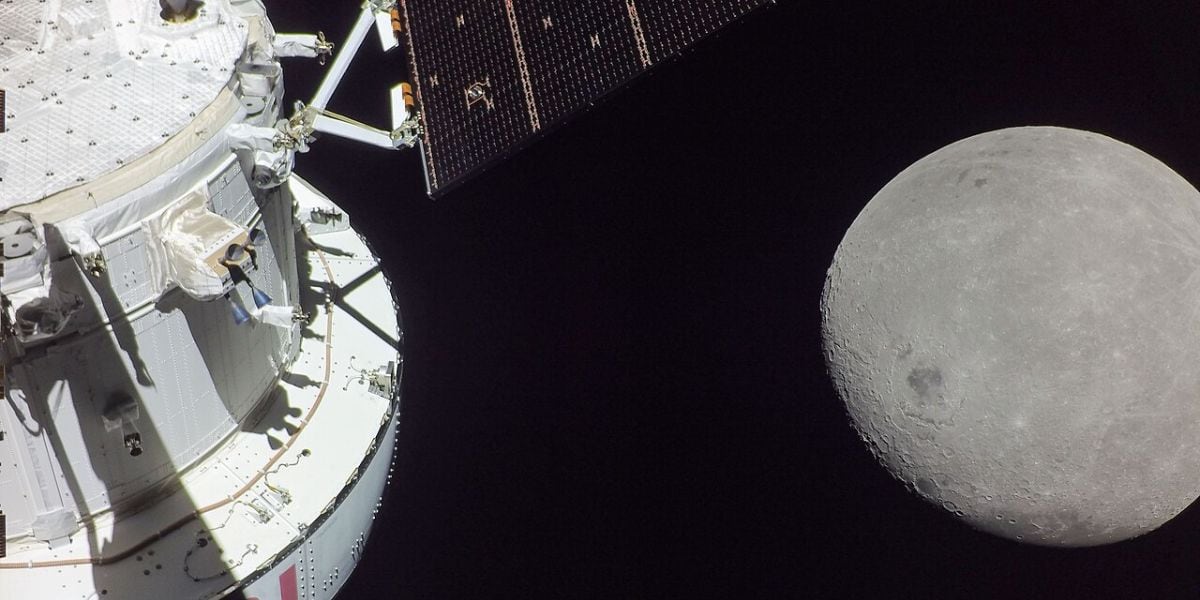
The recent return of the Artemis II mission marked a significant milestone in space exploration. NASA is already focusing its efforts on Artemis III, the next critical operation. This mission aims to bring humanity back to the lunar surface and lay the groundwork for a sustained presence. The success of the Artemis II lunar flyby renewed confidence in the technology, international collaboration, and the long-term vision driving the Artemis program.
The success of the Artemis II lunar flyby renewed confidence in the technology, international collaboration, and the long-term vision driving the Artemis program.
The transition from Artemis II to Artemis III captures the attention of scientists, engineers, and authorities. While the Orion capsule and its crew (Reid Wiseman, Victor Glover, Christina Koch, and Jeremy Hansen) completed their historic journey of over 1.126 million kilometers and splashed down off the coast of San Diego, NASA was already coordinating high-level meetings. Jared Isaacman, the administrator of the U.S. space agency, confirmed the feasibility of many mission aspects. Planning began even before the crew's recovery, demonstrating institutional commitment.
The primary expectation centers on Artemis III's main objective. It will be the first crewed mission to attempt docking the Orion capsule with one or both lunar lander modules. These are "Starship" from SpaceX and "Blue Moon" from Blue Origin. They represent the most advanced landing technology, a result of collaboration between the public and private sectors.
The official schedule anticipates the launch of Artemis III by mid-2027. Should this operation prove successful, the program will advance towards Artemis IV. That mission will carry astronauts to explore the vicinity of the lunar south pole. It will also pave the way for building a permanent base before 2032.
Artemis III will not immediately attempt to descend onto the lunar surface. NASA opted for a crucial intermediate phase. The Orion spacecraft will remain in Earth orbit. There, teams will test the docking and transfer systems between the capsule and the lander modules. This decision arose from a thorough review of risks and technical capabilities.
Isaacman explained two main options for Artemis III's orbit: low Earth orbit (LEO) and high Earth orbit (HEO). Each alternative presents advantages and challenges in terms of safety, efficiency, and coordination with private partners. The final choice will depend on the launch pace of the two Human Landing System (HLS) providers. Artemis III's success hinges on synchronizing these complex launches.
Article topics
Related articles

NASA Reveals New Path for Earth's Essential Life Elements
A recent study, published in Science Advances, uncovers how early Earth may have received phosphorus and nitrogen, highlighting Jupiter's critical role.
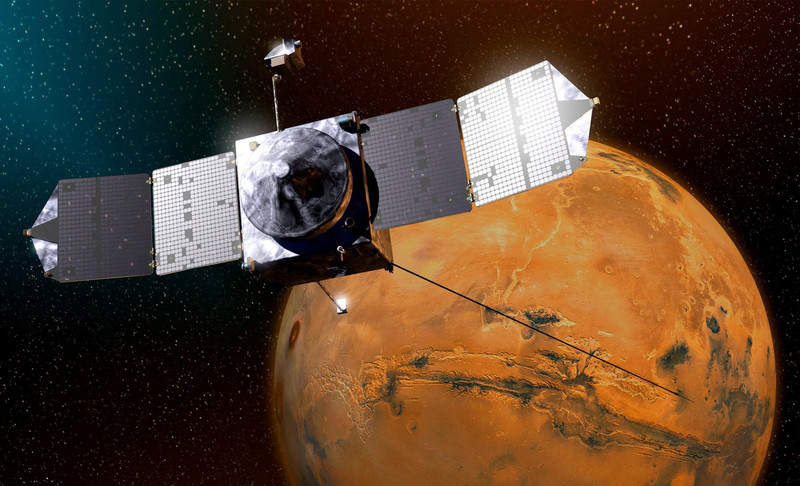
NASA's Maven Mars Orbiter Declared Out of Service After Six Months of Silence
Following an anomaly that disrupted its orbit and depleted its batteries, the Maven spacecraft, vital for understanding Mars' atmosphere, has ended its active mission. Its scientific data remains an invaluable legacy.
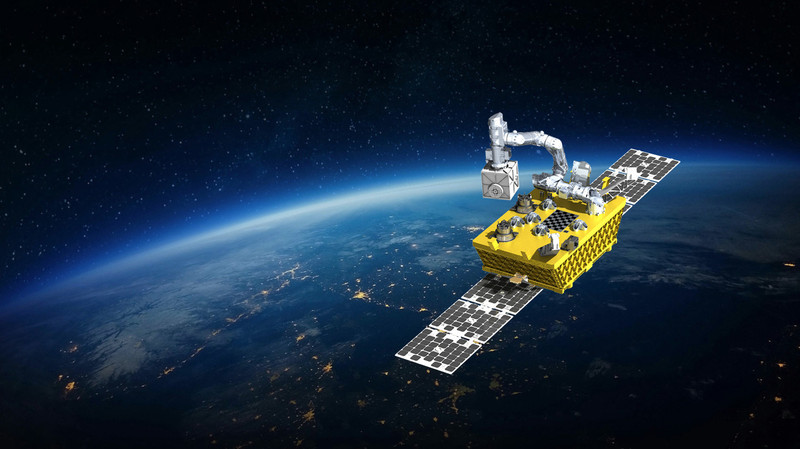
NASA Space Robotics Challenge
NASA invites U.S. researchers to submit proposals for experiments using a robotic arm that will be sent to low Earth orbit as part of the Fly Foundational Robots mission.
Latest news
View all
Stuntman Hollywood: Returns After 19 Years to PS5, Xbox Series, and PC
The iconic action and vehicular stunt franchise makes its comeback courtesy of Saber Interactive, promising a dose of nostalgia and adrenaline for the new generation.

Windows Drops NTLM: Microsoft Boosts Security with Kerberos
Microsoft is taking a crucial step to bolster security in Windows 11, announcing the deprecation of NTLM, its oldest authentication protocol, in favor of Kerberos.

Google Launches Gemma 4 12B: Local AI for Your Laptop with 16GB RAM
Google's new artificial intelligence model aims to democratize access to generative AI, allowing it to run on average consumer computers.
Comments (0)
No comments yet. Be the first!
Leave a comment