
NASA Science and Cargo Launch Successfully to the International Space Station!
SpaceX's 34th commercial resupply mission has lifted off carrying crucial scientific experiments and supplies for the Expedition 74 crew, marking another milestone in space collaboration.
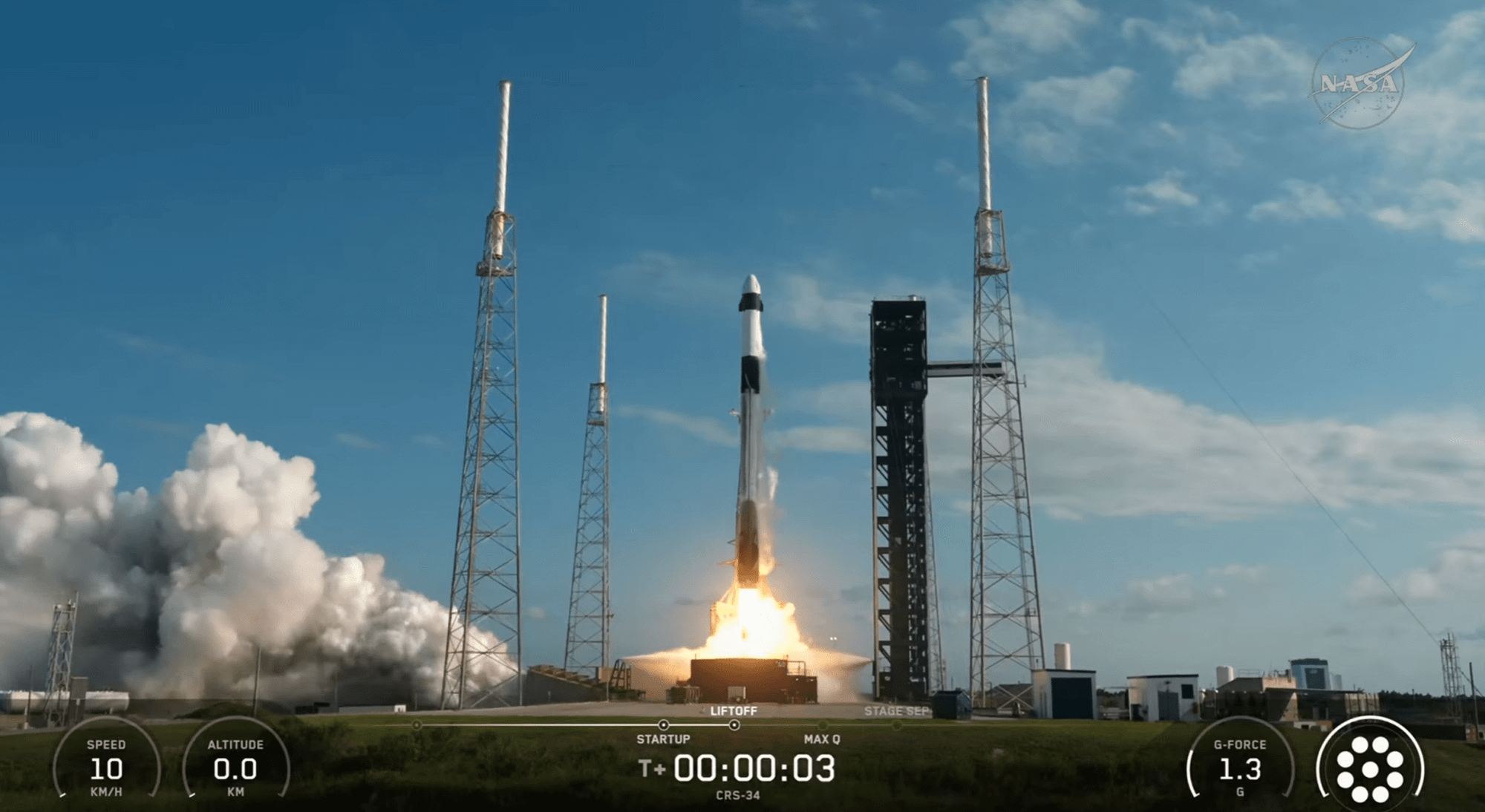
The space adventure continues! The International Space Station (ISS) has received a vital new cargo thanks to SpaceX's 34th commercial resupply mission. The Falcon 9 rocket successfully launched on Friday, May 15, 2026, from Space Launch Complex 40 at Cape Canaveral Space Force Station in Florida, carrying the Dragon cargo spacecraft and a promise of scientific discoveries.
The mission, under contract with NASA, is transporting nearly 6,500 pounds (approximately 2,948 kg) of cargo destined for the Expedition 74 crew. The Dragon spacecraft is scheduled to autonomously dock with the station on Sunday, May 17, around 7 a.m. EDT, connecting to the forward port of the Harmony module. Live coverage of the rendezvous and docking began at 5:30 a.m. EDT, allowing enthusiasts worldwide to follow every moment of this critical operation.
This shipment includes not only essential supplies for life and work in orbit but also a series of cutting-edge scientific experiments. One project aims to determine how well Earth-based simulators mimic microgravity conditions, a crucial step for future research. Another experiment focuses on a bone scaffold made from wood, with the potential to generate new treatments for fragile bone conditions like osteoporosis.
Additionally, the mission carries equipment designed to help researchers evaluate changes in red blood cells and the spleen in the space environment. These studies are fundamental to understanding the long-term effects of space living on the human body, indispensable knowledge for long-duration missions to the Moon and Mars.
The scientific payload also includes a new instrument to study charged particles around Earth, those that can impact power grids and satellites. This research could provide a fundamental understanding of how planets form. Furthermore, an instrument designed to take highly accurate measurements of sunlight reflected by Earth and the Moon is embarking, contributing to our understanding of climate and the reflectivity of celestial bodies.
These experiments are just a sample of the hundreds of investigations conducted aboard the orbiting laboratory in the areas of biology and biotechnology, physical sciences, and Earth and space science.
For over 25 years, the International Space Station has been a home and a laboratory for humanity, advancing scientific knowledge and achieving research breakthroughs not possible on Earth. The ISS not only helps NASA understand and overcome the challenges of human spaceflight but also expands commercial opportunities in low Earth orbit and lays the foundation for future long-duration missions, as part of the Artemis program to the Moon and beyond, to Mars.
The Dragon spacecraft is scheduled to remain attached to the station until mid-June. After completing its mission, it will depart to return to Earth with time-sensitive research and additional cargo, before splashing down off the coast of California. This resupply and return cycle is vital for maintaining the ISS's operational capability and scientific advancement.
The collaboration between NASA and SpaceX continues to demonstrate the capability and efficiency of commercial resupply missions. These launches serve as a constant reminder of our drive to explore, discover, and expand the frontiers of human knowledge in the cosmos.
Article topics
Related articles
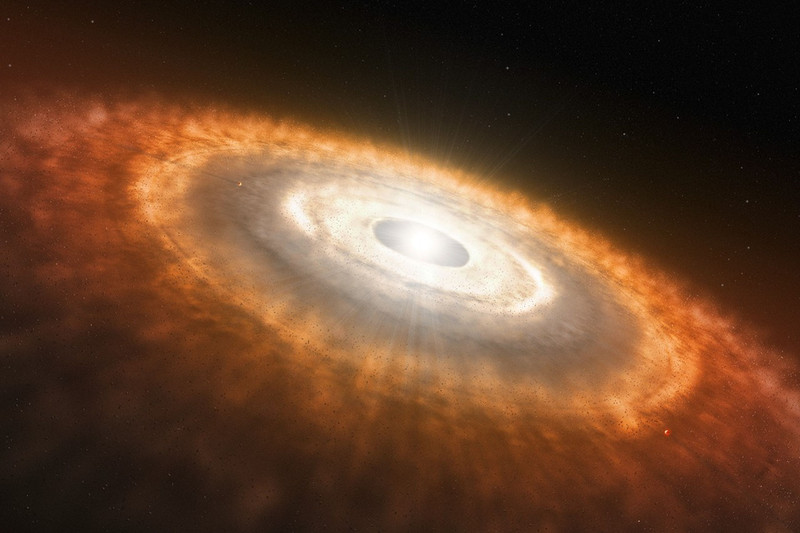
NASA Reveals New Path for Earth's Essential Life Elements
A recent study, published in Science Advances, uncovers how early Earth may have received phosphorus and nitrogen, highlighting Jupiter's critical role.
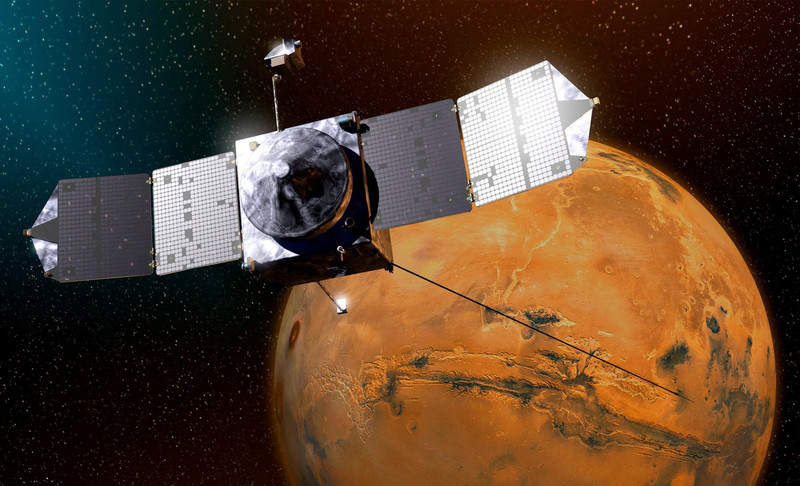
NASA's Maven Mars Orbiter Declared Out of Service After Six Months of Silence
Following an anomaly that disrupted its orbit and depleted its batteries, the Maven spacecraft, vital for understanding Mars' atmosphere, has ended its active mission. Its scientific data remains an invaluable legacy.
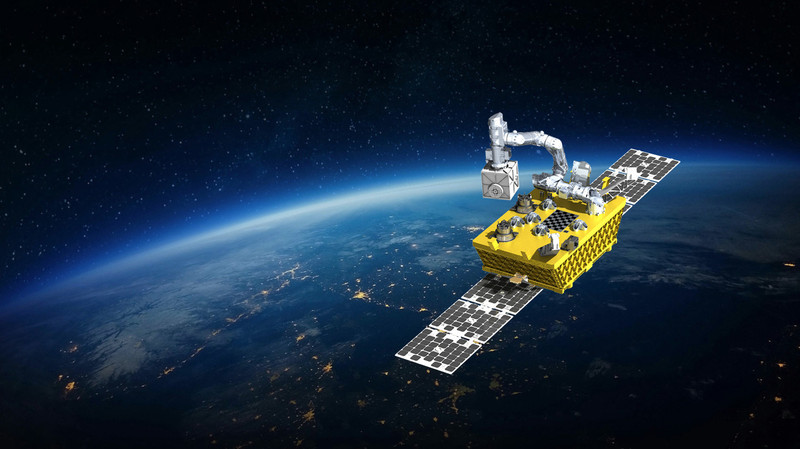
NASA Space Robotics Challenge
NASA invites U.S. researchers to submit proposals for experiments using a robotic arm that will be sent to low Earth orbit as part of the Fly Foundational Robots mission.
Latest news
View all
Stuntman Hollywood: Returns After 19 Years to PS5, Xbox Series, and PC
The iconic action and vehicular stunt franchise makes its comeback courtesy of Saber Interactive, promising a dose of nostalgia and adrenaline for the new generation.

Windows Drops NTLM: Microsoft Boosts Security with Kerberos
Microsoft is taking a crucial step to bolster security in Windows 11, announcing the deprecation of NTLM, its oldest authentication protocol, in favor of Kerberos.
Google Launches Gemma 4 12B: Local AI for Your Laptop with 16GB RAM
Google's new artificial intelligence model aims to democratize access to generative AI, allowing it to run on average consumer computers.
Comments (0)
No comments yet. Be the first!
Leave a comment