
Keychron Unlocks Top Keyboards for 3D Printing and Open Source Firmware
Keychron, a leading mechanical keyboard brand, has made a significant move by releasing STP files for its top keyboard cases and open-source firmware on GitHub, ushering in a new era of customization and community collaboration.
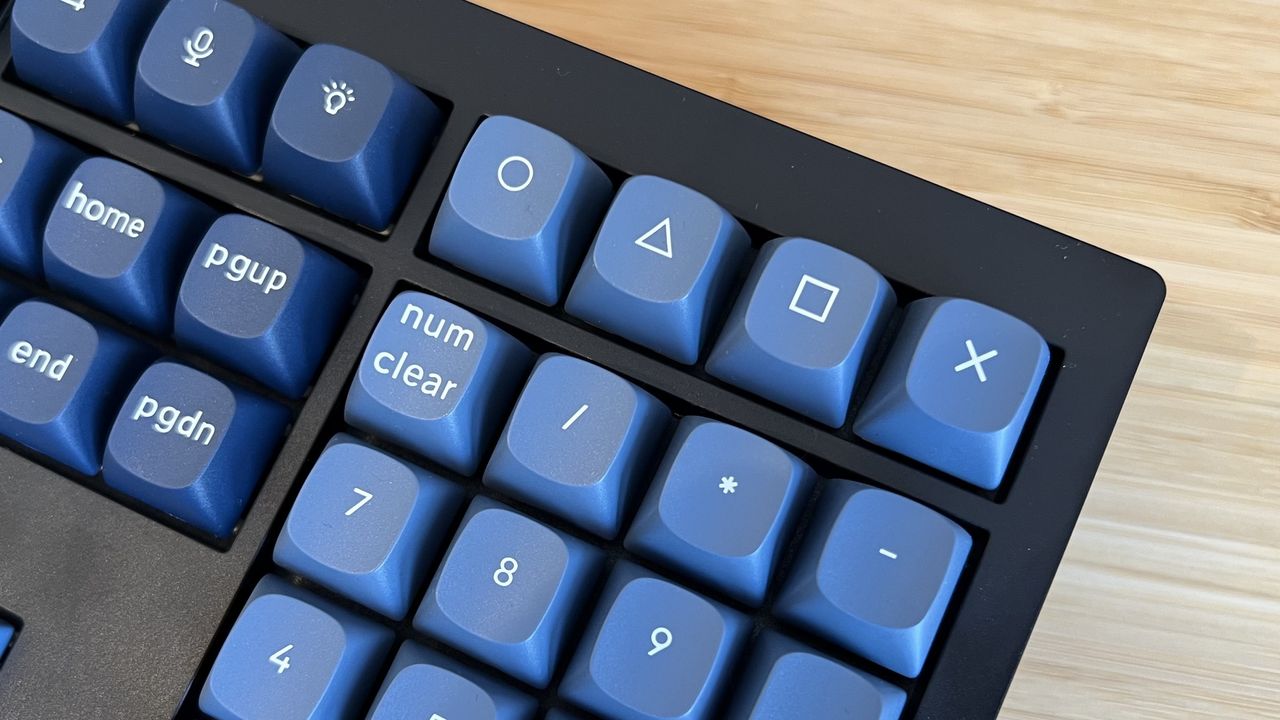
Keychron, a name synonymous with innovation and quality in the mechanical keyboard world, has made a pivotal move that promises to redefine the relationship between manufacturers and enthusiasts. In a strategic and widely applauded announcement, the company has released the 3D design files (STP format) for the cases of its most iconic keyboards, alongside the source code for their firmware, all made available on the GitHub development platform. This initiative not only democratizes personalization but also fosters an unprecedented culture of collaboration and transparency within the industry.
The Era of Extreme Customization: 3D-Printable Cases
At the core of this announcement is the availability of STP (Standard for the Exchange of Product data) files for Keychron keyboard cases. For those unfamiliar, STP files are a standard format used in computer-aided design (CAD) that allows for the three-dimensional representation of components. By releasing these files, Keychron is empowering its users to download, modify, and, most importantly, 3D-print their own custom cases. This means that limitations in color, material, or even shape previously imposed by the manufacturer can now be overcome by individual or collective creativity. Enthusiasts will be able to design cases with unique features, integrate custom mounts, or simply replace damaged parts with unprecedented ease, transforming each keyboard into a truly unique piece.
Open Source Firmware: Total Control at Everyone's Fingertips
But Keychron's revolution doesn't stop at hardware. Simultaneously, the company has made its keyboard firmware available under an open-source license. Firmware is the low-level software that controls the keyboard's operation, from key mapping to macro management and RGB lighting. By opening its source code, Keychron allows users and developers to examine, modify, and contribute to the software that powers their devices. This opens the door to much deeper functional customization, enabling the creation of personalized key layouts, the implementation of new unofficial features, or the optimization of performance in ways that proprietary firmware never would. This decision is a direct nod to the philosophy of projects like QMK and VIA, which have been pillars in the mechanical keyboard community for their flexibility and adaptability.
GitHub: The Epicenter of Collaboration
The choice of GitHub as the platform for this release is no coincidence. GitHub is the world's largest source code repository and a vibrant ecosystem for open-source projects. By hosting the STP files and firmware on GitHub, Keychron not only ensures global accessibility but also invites the community to actively participate. Users can fork repositories, propose improvements, report bugs, and share their own creations, fostering a virtuous cycle of continuous innovation and enhancement. This strategy transforms Keychron users from mere consumers into co-creators, strengthening brand loyalty and building a more robust and engaged community.
Implications for the Industry and Community
This move by Keychron is far more than a simple product update; it's a statement of intent that could set a significant precedent in the consumer electronics industry. By embracing open source and additive manufacturing, Keychron not only extends the lifespan of its products and reduces waste but also empowers a community that deeply values customization and control. We could see an increase in third-party accessory development, innovative case designs, and community-driven firmware enhancements, which in turn could pressure other manufacturers to consider similar models. It's a bold step towards a future where products are not just purchased but also co-created and evolved by their own users.
In summary, Keychron's decision to make its top keyboards "3D-printable" and open source is a landmark achievement. It not only reinforces its position as an innovative leader but also injects a new dose of energy and creativity into the already vibrant mechanical keyboard community. This is an exciting time for enthusiasts, who now have the tools to take device personalization to unimaginable levels.
Article topics
Related articles

Windows Drops NTLM: Microsoft Boosts Security with Kerberos
Microsoft is taking a crucial step to bolster security in Windows 11, announcing the deprecation of NTLM, its oldest authentication protocol, in favor of Kerberos.

Chrome Bolsters Security with DBSC Against Cookie Theft
Google Chrome has rolled out a new DBSC feature, linking sessions to your hardware to protect accounts from credential theft attacks.

Roku's home screen gets an AI-powered refresh for 2026
Roku is rolling out a significant update to its main interface, promising a more personalized experience with integrated advertising.
Latest news
View all
Stuntman Hollywood: Returns After 19 Years to PS5, Xbox Series, and PC
The iconic action and vehicular stunt franchise makes its comeback courtesy of Saber Interactive, promising a dose of nostalgia and adrenaline for the new generation.

NASA's Maven Mars Orbiter Declared Out of Service After Six Months of Silence
Following an anomaly that disrupted its orbit and depleted its batteries, the Maven spacecraft, vital for understanding Mars' atmosphere, has ended its active mission. Its scientific data remains an invaluable legacy.

NASA Reveals New Path for Earth's Essential Life Elements
A recent study, published in Science Advances, uncovers how early Earth may have received phosphorus and nitrogen, highlighting Jupiter's critical role.
Comments (0)
No comments yet. Be the first!
Leave a comment