
Jony Ive Designs Ferrari Luce Interior, Rejects Large Touchscreens
Former Apple designer Jony Ive has led the interior design of the Ferrari Luce, challenging the trend of large touchscreens in modern vehicles.
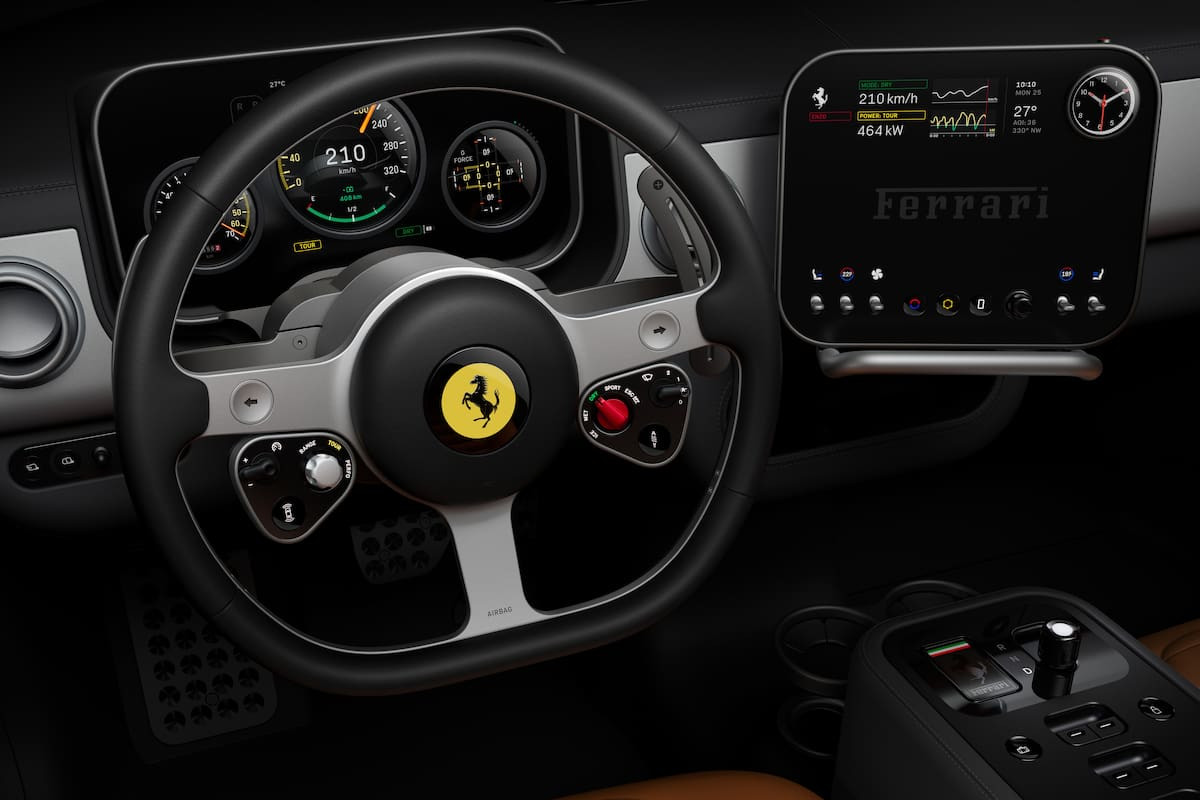
Renowned designer Jony Ive, the mastermind behind iconic products like the iPhone and iPad, has clearly stated his position on automotive design. Ive recently participated in creating the Ferrari Luce interior. This project led him to reject the proliferation of large touchscreens in modern vehicles. His decision highlights a philosophy focused on pure functionality and the driving experience, contrasting sharply with current industry trends.
In an interview with "Top Gear," Ive expressed his dissatisfaction upon seeing "a huge screen" in a car's cabin. He described this experience as "discouraging." His vision prioritizes a simple and intuitive environment, where every element serves a clear purpose. For Ive, design must avoid "style or adornments" that might distract or become outdated over time.
No hay estilo ni adornos, porque eso distrae y no perdura.
The connection between the instrument panel and the steering wheel is fundamental for Ive, focusing on the driving experience. He conceives the panel as the source of output information and the steering wheel as the center for input information. Therefore, the Ferrari Luce design team opted for mostly physical and mechanical controls. They validated each decision with rigorous testing, convinced of their importance.
The Ferrari Luce interior exemplifies this philosophy, combining the precision of mechanical buttons, dials, levers, and switches. These are complemented by the versatility of multi-function digital screens. Ferrari explains this interface was designed to be intuitive and entirely driver-oriented. The choice of materials like aluminum reinforces the sense of quality and durability.
The three-spoke steering wheel, machined from a single piece of aluminum, integrates analog modules in ergonomic positions. This allows for easy and direct control without releasing the wheel. It includes the "E-Manettino" for managing energy and range, and the classic "Manettino" for adjusting driving dynamics. Paddles behind the wheel control engine torque and regenerative braking. A meter indicates the optimal moment to increase torque.
The instrument cluster centralizes key information for the driver using a multi-layer screen that merges digital and mechanical elements.
The left indicator shows available power and regenerative braking, depending on the selected mode.
The central indicator combines speed and battery level with a mechanical needle and a digital display.
The right indicator, adjustable with a lever, offers up to seven data points like vehicle status, trip, dynamics, and tire information.
The steering assembly integrates the wheel, paddles, and dashboard. This moves with the steering wheel to optimize instrument visibility. An independent, rotating control panel combines mechanical controls with a digital touchscreen.
Climate control is managed with physical controls for temperature, fan, and seats. Additional adjustments are available on the touchscreen. The "Multigraf" instrument merges mechanical needles and a digital dial to display a clock, stopwatch, or compass. In "Launch" mode, it automatically activates the 5-second stopwatch.
Related articles

Windows Drops NTLM: Microsoft Boosts Security with Kerberos
Microsoft is taking a crucial step to bolster security in Windows 11, announcing the deprecation of NTLM, its oldest authentication protocol, in favor of Kerberos.

One Piece Anime Unveils God's Knights as New Villains
The animated adaptation of Eiichiro Oda's manga introduced the formidable antagonists set to challenge the Straw Hats in the current arc.

Chrome Bolsters Security with DBSC Against Cookie Theft
Google Chrome has rolled out a new DBSC feature, linking sessions to your hardware to protect accounts from credential theft attacks.
Latest news
View all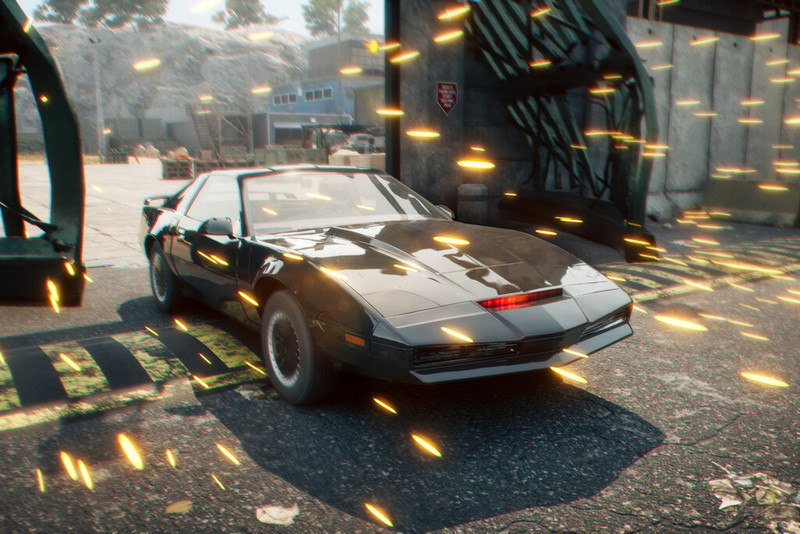
Stuntman Hollywood: Returns After 19 Years to PS5, Xbox Series, and PC
The iconic action and vehicular stunt franchise makes its comeback courtesy of Saber Interactive, promising a dose of nostalgia and adrenaline for the new generation.
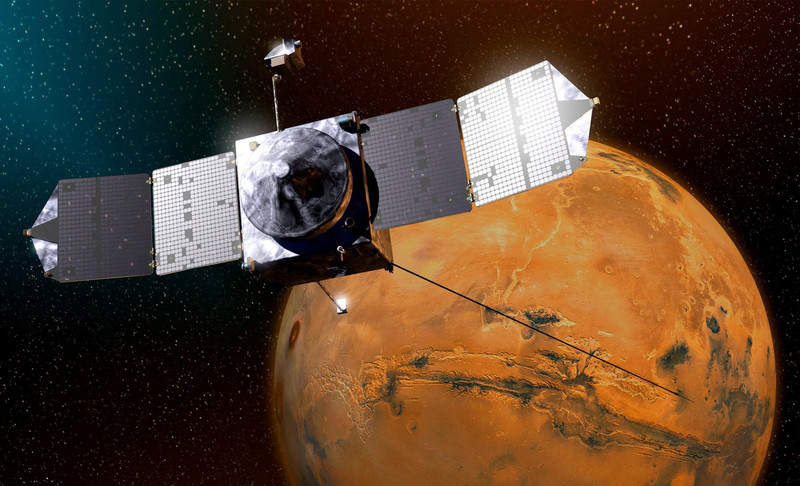
NASA's Maven Mars Orbiter Declared Out of Service After Six Months of Silence
Following an anomaly that disrupted its orbit and depleted its batteries, the Maven spacecraft, vital for understanding Mars' atmosphere, has ended its active mission. Its scientific data remains an invaluable legacy.

NASA Reveals New Path for Earth's Essential Life Elements
A recent study, published in Science Advances, uncovers how early Earth may have received phosphorus and nitrogen, highlighting Jupiter's critical role.
Comments (0)
No comments yet. Be the first!
Leave a comment