
Half-Life writer surprised by how few FPS games followed Valve's storytelling approach
Marc Laidlaw, lead writer of Half-Life, expressed surprise that so few first-person shooters adopted Valve's immersive storytelling model, despite the influence of titles like Medal of Honor and Call of Duty.
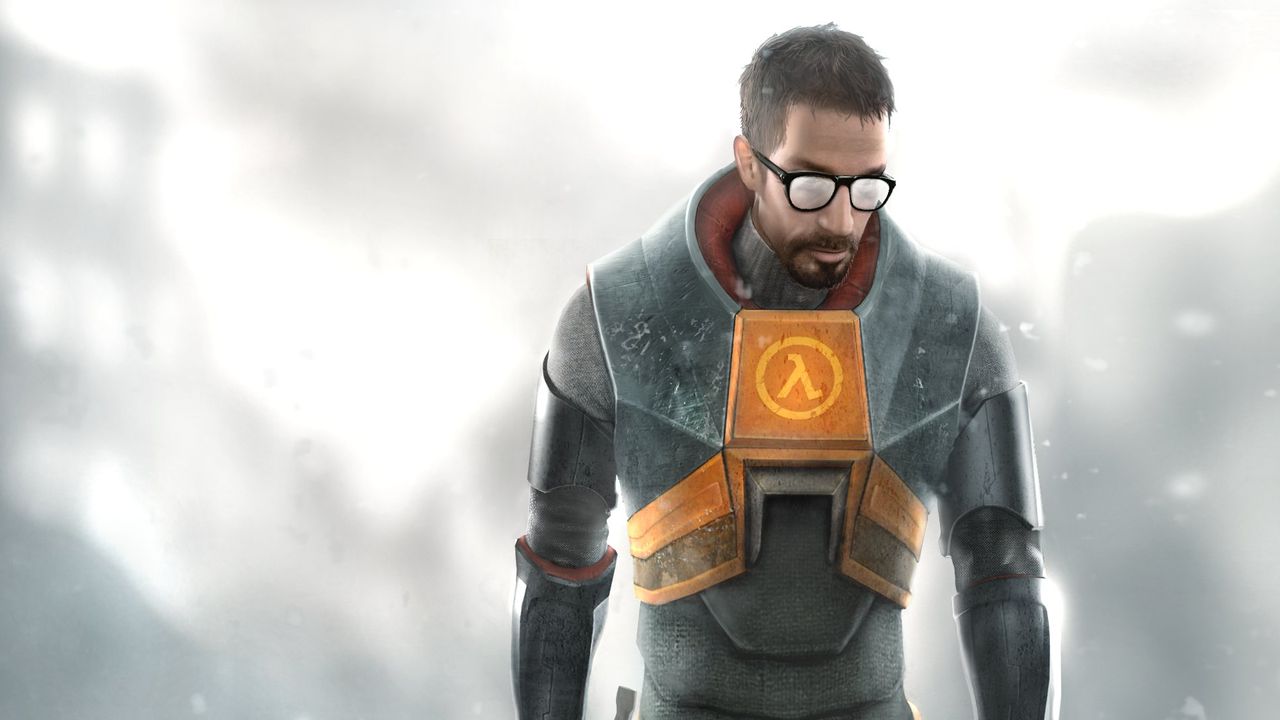
A revolutionary approach to FPS storytelling
When Half-Life launched in 1998, it didn’t just redefine first-person shooter gameplay—it introduced a groundbreaking narrative design that changed how stories could be told in games. Unlike most titles of the era, which relied on cutscenes and external cinematics to advance the plot, Valve chose to embed the narrative directly into the gameplay experience. Players assumed the role of Gordon Freeman, a scientist at the Black Mesa Research Facility, and discovered the unfolding story in real time through environmental cues, ambient dialogue, and in-world events—all without breaking immersion. This method, known as immersive storytelling or 'storytelling through gameplay,' aimed to keep players constantly engaged, maintaining a seamless flow between action and narrative.
Valve's influence beyond narrative
While Half-Life’s narrative design was pioneering, its most visible impact on the industry extended beyond storytelling. Many subsequent games adopted gameplay mechanics inspired by Valve, such as improved enemy AI, environmental puzzles, and a cinematic yet linear progression. However, according to Marc Laidlaw, Half-Life’s lead writer, few titles truly embraced Valve’s immersive narrative approach. In recent comments, Laidlaw noted that games like Medal of Honor and Call of Duty did incorporate some of these principles—especially in their early entries—but inconsistently, often sacrificing immersion for traditional cutscenes or expository dialogue. The result was a partial adoption of Valve’s philosophy, diluted by more conventional storytelling techniques.
Half-Life’s narrative legacy in question
Laidlaw expressed surprise at how, despite Half-Life’s critical and commercial success, so few developers followed its narrative blueprint. 'It’s curious to see how many games borrowed mechanics, but very few focused on how the story could flow naturally within the game,' he said. This approach—avoiding abrupt cuts and keeping the player fully immersed as the protagonist—is key to the realism and urgency that define the Half-Life experience. While titles like BioShock or Portal (also from Valve) successfully replicated parts of this formula, most mainstream FPS games opted for more traditional structures, with missions divided into chapters and narratives driven by secondary characters or voiceovers.
Why wasn’t the model replicated?
One possible explanation lies in the technical and design complexity of building an immersive narrative. Seamlessly integrating story elements without interrupting gameplay requires precise coordination between level design, art direction, programming, and writing. Additionally, many studios prioritize fast pacing and constant action, leading them to simplify or sideline narrative elements. There’s also commercial pressure to include charismatic characters and memorable dialogue—elements that often work better in cutscenes than in ambient interactions. For these reasons, Valve’s model, while widely admired, never became an industry standard.
The future of storytelling in FPS games
Despite these challenges, there are signs that interest in immersive storytelling is resurging. Games like Half-Life: Alyx (2020) have demonstrated that Valve’s original approach remains relevant, especially in virtual reality environments where immersion is paramount. Independent developers are also exploring innovative ways to tell stories without relying on cutscenes or forced dialogue. Meanwhile, Half-Life’s legacy continues to serve as a benchmark for those seeking to deepen how video games can tell stories uniquely. As Laidlaw put it, perhaps not everyone followed the path—but its existence still inspires those willing to try.
Article topics
Related articles

Stuntman Hollywood: Returns After 19 Years to PS5, Xbox Series, and PC
The iconic action and vehicular stunt franchise makes its comeback courtesy of Saber Interactive, promising a dose of nostalgia and adrenaline for the new generation.

Tomb Raider: Legacy of Atlantis Arrives February 2027 with Pre-Order Bonuses
Crystal Dynamics and Amazon Games announce the release date for the reimagining of the 1996 classic, along with details on editions and exclusive pre-order content.

Marvel's Wolverine: Brutal gameplay and September 15th release for PS5
Sony and Insomniac Games unveiled an exciting new look at "Marvel's Wolverine" during the recent State of Play, confirming its exclusive arrival on PlayStation 5 this September 15th.
Latest news
View all
NASA's Maven Mars Orbiter Declared Out of Service After Six Months of Silence
Following an anomaly that disrupted its orbit and depleted its batteries, the Maven spacecraft, vital for understanding Mars' atmosphere, has ended its active mission. Its scientific data remains an invaluable legacy.

Windows Drops NTLM: Microsoft Boosts Security with Kerberos
Microsoft is taking a crucial step to bolster security in Windows 11, announcing the deprecation of NTLM, its oldest authentication protocol, in favor of Kerberos.

NASA Reveals New Path for Earth's Essential Life Elements
A recent study, published in Science Advances, uncovers how early Earth may have received phosphorus and nitrogen, highlighting Jupiter's critical role.
Comments (0)
No comments yet. Be the first!
Leave a comment