
Global Warming Intensifies Hurricane Rainfall and Reach in the Atlantic
A recent study confirms that rising ocean temperatures are transforming tropical cyclones, increasing the intensity and area of their extreme precipitation.
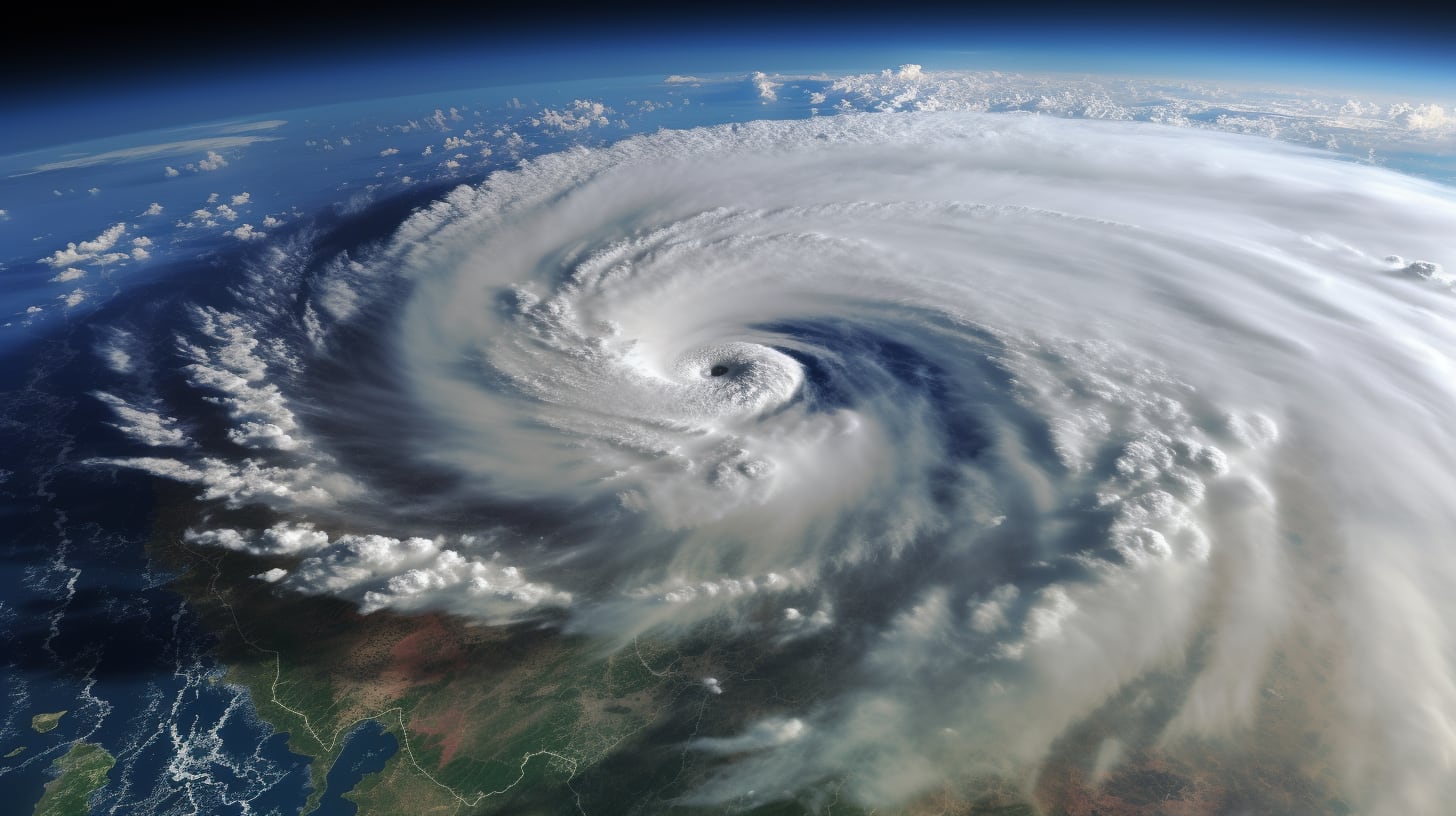
A study published in the journal "npj Climate and Atmospheric Science" reveals a critical connection: global warming is driving the intensity and reach of rainfall associated with tropical cyclones in the North Atlantic. This transformation redefines the risk of extreme precipitation and poses significant challenges for disaster management in densely populated coastal regions.
The relationship between rising ocean temperatures and hurricane behavior is a central focus of climate research. Warmer oceans alter historical storm patterns, affecting their intensity, duration, and rainfall distribution. This phenomenon has direct implications for the safety and infrastructure of our communities.
The National Oceanic and Atmospheric Administration (NOAA) estimates that oceans store approximately 91% of the excess heat trapped by greenhouse gases. Between 1993 and 2024, these vast bodies of water absorbed heat at a consistent rate, accumulating thermal energy year after year. This additional heat contributes to sea level rise, marine heatwaves, and glacier melt, in addition to fueling extreme weather events.
Global warming is increasing both the intensity and area of rainfall associated with tropical cyclones.
Researchers found that for every 1°C increase in the humid environment's temperature where these storms form, the amount of extreme rainfall can grow by an average of 21%. Furthermore, the area where these precipitations are concentrated also becomes larger, expanding by up to 12.5% for every degree of warming.
This means that with warmer seas and atmospheres, hurricanes will not only dump more water in less time but also affect broader areas. This dual impact dramatically increases the risk of severe flooding. Haider Ali, the lead author of the study, stated that the results show that "global warming is increasing both the intensity and area of rainfall associated with tropical cyclones, especially in warm, low-latitude regions."
The analysis also reveals an added complexity: while the overall size of the cyclone tends to decrease with rising temperatures, this behavior weakens or even reverses in cases of exceptionally high sea surface temperatures. This underscores the need for a thorough understanding of these mechanisms to anticipate and mitigate future impacts.
Article topics
Related articles

NASA Reveals New Path for Earth's Essential Life Elements
A recent study, published in Science Advances, uncovers how early Earth may have received phosphorus and nitrogen, highlighting Jupiter's critical role.
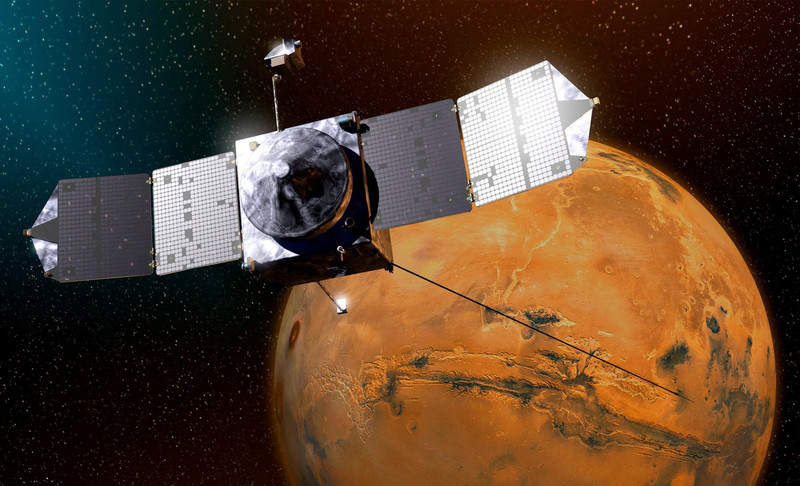
NASA's Maven Mars Orbiter Declared Out of Service After Six Months of Silence
Following an anomaly that disrupted its orbit and depleted its batteries, the Maven spacecraft, vital for understanding Mars' atmosphere, has ended its active mission. Its scientific data remains an invaluable legacy.

NASA Space Robotics Challenge
NASA invites U.S. researchers to submit proposals for experiments using a robotic arm that will be sent to low Earth orbit as part of the Fly Foundational Robots mission.
Latest news
View all
Stuntman Hollywood: Returns After 19 Years to PS5, Xbox Series, and PC
The iconic action and vehicular stunt franchise makes its comeback courtesy of Saber Interactive, promising a dose of nostalgia and adrenaline for the new generation.

Windows Drops NTLM: Microsoft Boosts Security with Kerberos
Microsoft is taking a crucial step to bolster security in Windows 11, announcing the deprecation of NTLM, its oldest authentication protocol, in favor of Kerberos.

Google Launches Gemma 4 12B: Local AI for Your Laptop with 16GB RAM
Google's new artificial intelligence model aims to democratize access to generative AI, allowing it to run on average consumer computers.
Comments (0)
No comments yet. Be the first!
Leave a comment