
Ghost in the Shell Remake: No Generative AI, Premiering on Prime Video
The highly anticipated remake of the classic anime "Ghost in the Shell," produced by Science SARU, confirms its commitment to human artistry and will premiere on July 7.
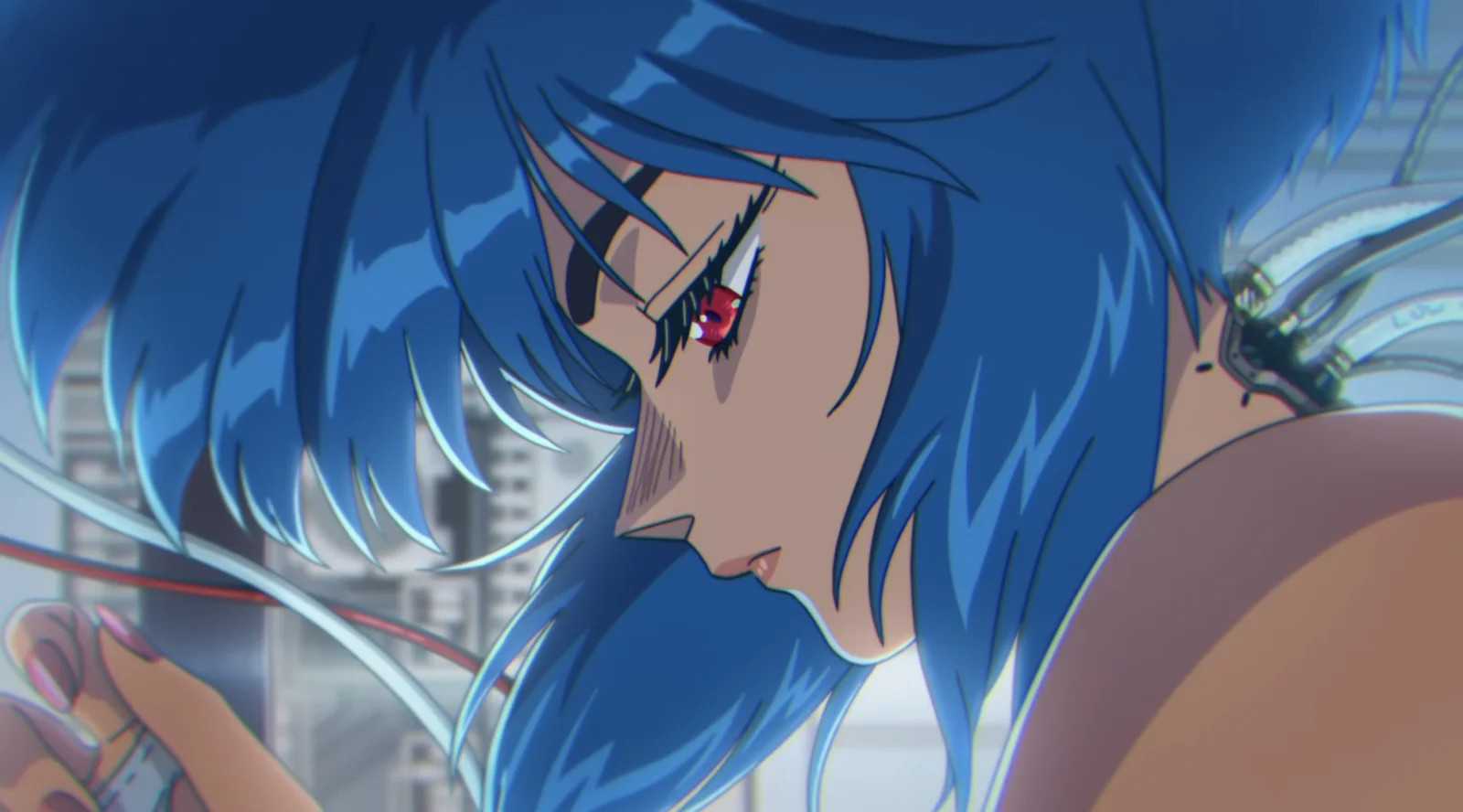
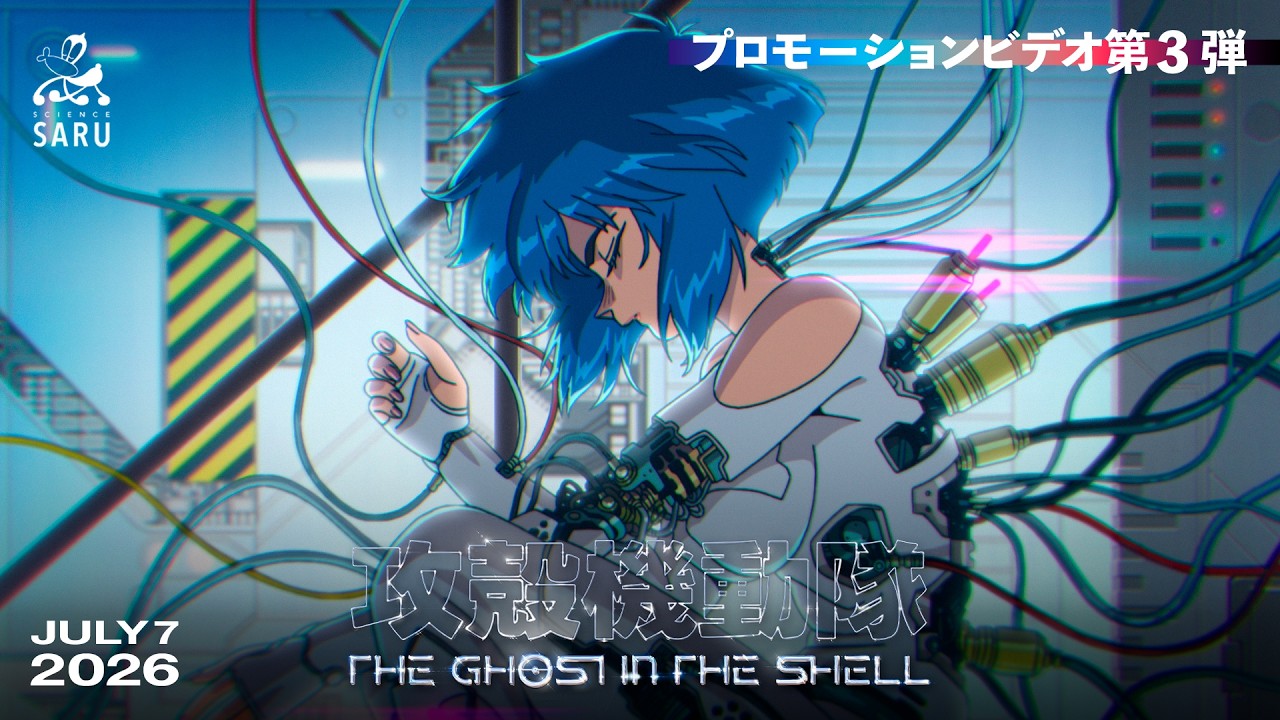
The "Ghost in the Shell" remake, helmed by Science SARU and directed by Toma Kimura (known as “Mokochan”), has taken a firm and clear stance: no generative artificial intelligence will be used in its production. This decision, emphasizing the importance of human touch in artistic creation, sets the stage for its premiere on July 7 via Prime Video.
Director “Mokochan” highlighted the dual nature of the anime, which blends science fiction with profound spirituality. For the team, it was essential that human involvement guided every step of the creative process. This philosophy aims to preserve the essence of Shirow's original work, where reflections on humanity and technology are central.
"The anime is science fiction, but also spiritual, which means it was vital that humans were involved in every step of the process", added “Mokochan”.
A concrete example of this commitment was seen in the design of the street signs. The team initially wanted each sign to have a unique design, but the complexity of the task led them to opt for a special typography. They decided to use a "worm-shaped" letter style that mimics Kanji characters, though they are actually nonsensical gibberish. This choice was made long before generative AI became popular, confirming that the project remained faithful to the human hand from its inception.
For those unfamiliar with this universe, "Ghost in the Shell" plunges us into a hyper-connected future. The plot follows Section 9, an elite police unit led by the charismatic cyborg Motoko Kusanagi. Their mission is to combat cybercrime, mind-hacking, and geopolitical conspiracies within the intricate Network. The series explores the thin line between the human soul, or "ghost," and the artificial body, the "shell," in a world where the physical is increasingly replaceable.
Shirow's original work has seen multiple adaptations over the years. In 1995, the "Ghost in the Shell" film, directed by Mamoru Oshii, became an international success. Its impact was so significant that a sequel, "Innocence," was released in 2004, continuing to explore its complex philosophical themes.
The franchise also expanded to television with the two-season series "Ghost in the Shell: Stand Alone Complex," which aired in 2002. Later, Netflix produced a continuation, "SAC_2045," bringing the story to new audiences. However, not all adaptations were met with the same enthusiasm; the 2017 live-action film, "Ghost in the Shell," starring Scarlett Johansson, drew criticism for failing to capture the philosophical depth of the original material.
Science SARU's decision to avoid generative AI sends a powerful message at a time when this technology is increasingly prevalent in the entertainment industry. In a context where studios and artists debate the role of automation, this remake champions authenticity and artisanal effort. The implication for viewers is clear: a visual and narrative experience that prioritizes human expression.
This new project is a collaboration between director Toma Kimura (“Mokochan”) and producer Kohei Sakita, who have already presented previews of the show at the prestigious Annecy Festival. Their shared vision aims to honor the legacy of "Ghost in the Shell" with a production that feels genuinely human-made.
This eagerly awaited "Ghost in the Shell" remake will hit screens on July 7, exclusively available through the Prime Video platform. Fans can once again immerse themselves in this iconic science fiction universe, with the assurance of a production that values human art and spirituality over automation.
Article topics
Related articles
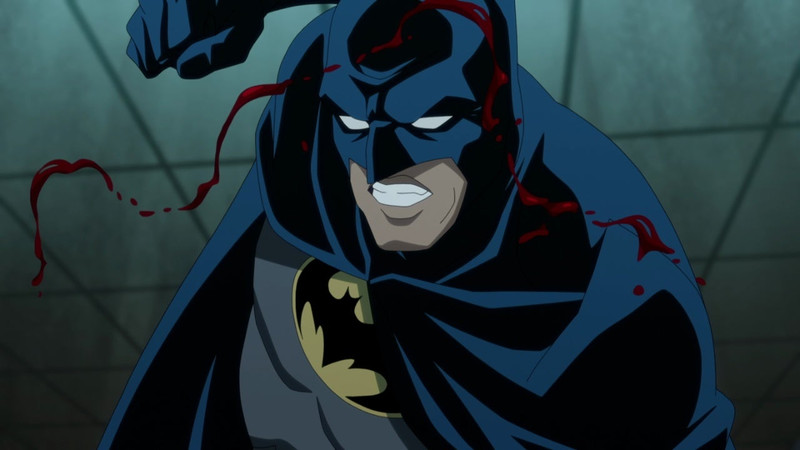
Batman: Knightfall Part 1 – A Streamlined and Faithful Comic Adaptation
DC's new animated film, "Batman: Knightfall Part 1 - Knightfall," delivers a focused and loyal take on the classic comic, exploring the intense rivalry between Batman and Bane.

Spider-Man: Brand New Day Trailer Reveals Peter's Mutation and Mysterious Villain
The new "Spider-Man: Brand New Day" trailer showcases Peter Parker's full Man-Spider transformation and The Punisher's unexpected key role, while the identity of the villain played by Sadie Sink sparks intense theories.

Sung Kang Unveils "Drifter," His Directorial Debut
The "Fast & Furious" actor not only directs and writes the film but also stars in this story of overcoming challenges within the drifting world.
Latest news
View all
Instagram and Facebook Suffer Global Outage During 2026 World Cup
Millions of users were affected by a disruption that prevented viewing images and videos on Meta's platforms, just as the company offered special features for the World Cup.
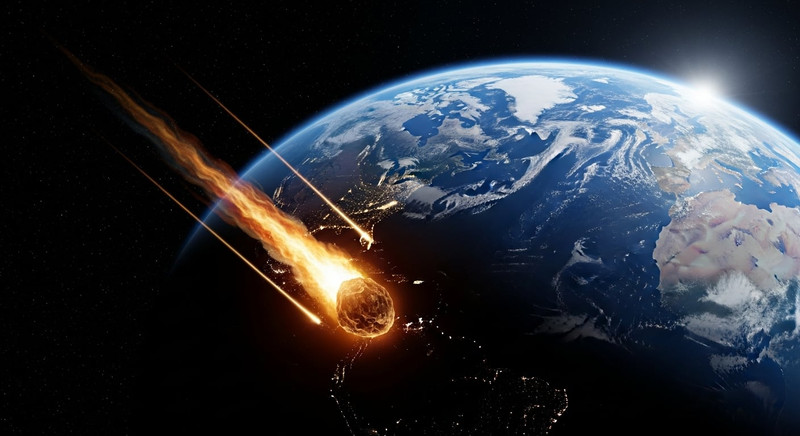
NASA Enhances Asteroid Detection and Deflection Capabilities
The US space agency advances planetary defense techniques following the successful DART mission and the upcoming NEO Surveyor observatory.
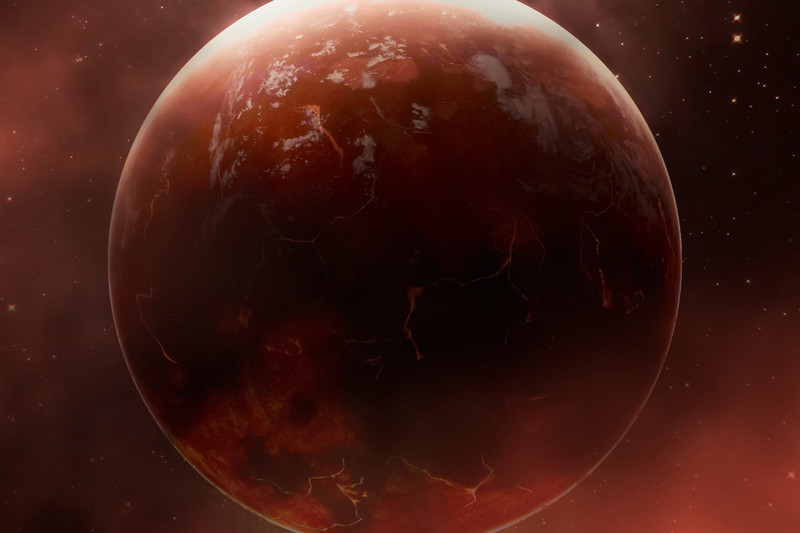
Unexpected Garnet Discovery in Martian Meteorite Reveals Mars' Geological History
Researchers have found garnet grains, a mineral never before observed on the Red Planet, inside a Martian meteorite, offering new insights into its 4.5-billion-year geological past.
Comments (0)
No comments yet. Be the first!
Leave a comment