
Germany Revolutionizes Solar Power with Vertical Floating Panels on a Lake
An innovative project in Bavaria demonstrates how vertical photovoltaic technology on water bodies can drastically reduce electricity consumption and boost sustainability.

The cutting edge of renewable energy has arrived in Germany. Local company SINN Power has unveiled the world's first vertical floating solar power plant at the Jais gravel quarry in Bavaria. This bold project aims not only to generate clean electricity but also to serve as a model for efficiency and environmental stewardship.
With an installed capacity of 1.87 megawatts (MW), this floating installation is set to produce approximately two gigawatt-hours (GWh) of electricity annually. Most remarkably, it utilizes only 4.65% of the lake's surface area, showcasing unprecedented spatial optimization and staying well within the environmental limits set by Germany's Federal Water Act.
The system, dubbed “Skipp-Float,” stands out for its east-west vertical orientation of solar panels. These are spaced by water corridors of at least four meters wide. This intelligent design not only maximizes light reflection and air circulation but also promotes a more balanced energy generation throughout the day, avoiding the typical midday production peaks.
Unlike conventional solar panels, the vertical orientation of the Skipp-Float panels significantly increases electricity generation during morning and afternoon hours. This translates into a more consistent and predictable energy supply, a crucial factor for grid stability.
Initial results are compelling: the plant has already reduced the quarry's grid electricity consumption by nearly 60%. Project leaders aim to achieve 70% efficiency once the system is fully optimized, representing a qualitative leap in solar energy production.
The structure is anchored at a depth of 1.6 meters underwater, granting it significant flexibility against weather conditions and lake level fluctuations. The electrical connection to the grid is discreetly managed via a floating cable and an onshore connection point, minimizing any disruption to the aquatic ecosystem.
The German floating solar plant produces close to two gigawatt-hours of electricity annually.
Beyond energy efficiency, the Skipp-Float project is yielding unexpected ecological benefits. Initial monitoring indicates no negative environmental impact; on the contrary, the presence of the floating panels has improved water quality and fostered the creation of new habitats for fish and aquatic birds. This plant not only generates energy but also revitalizes its surroundings!
The versatility of the Skipp-Float system is not limited to lakes or quarries. Its design is adaptable to artificial water bodies exceeding 1.6 meters in depth, and it is even prepared for operation in marine environments. This makes it an attractive solution for industrial users and high-volume consumers seeking a stable and reliable electricity source, even offshore.
This innovative German project stands as a replicable model for the global energy transition. By utilizing water surfaces, valuable land is freed up, avoiding land-use conflicts and optimizing resources. Gottfried Jais, the quarry director, expressed his enthusiasm: “We are eager to see if viable and economical solutions will soon be available in this area as well.” The Skipp-Float system not only accelerates the transition to renewable sources in Europe but also sets a precedent for integrating solar energy into water bodies worldwide.
Article topics
Related articles

NASA Reveals New Path for Earth's Essential Life Elements
A recent study, published in Science Advances, uncovers how early Earth may have received phosphorus and nitrogen, highlighting Jupiter's critical role.
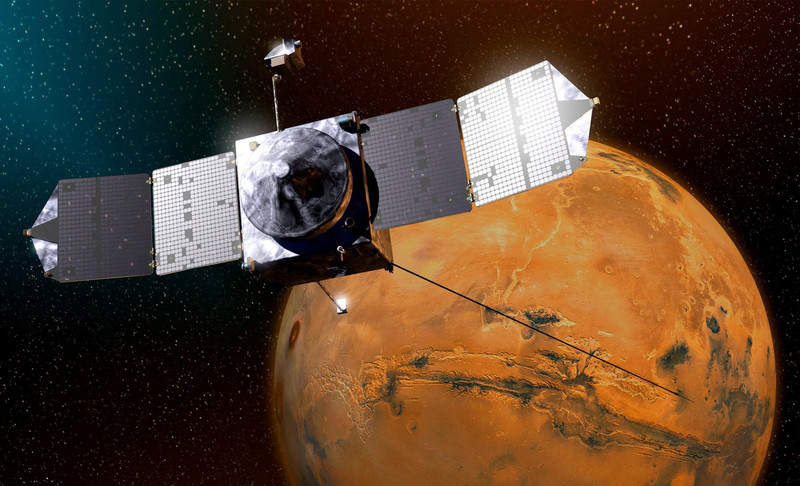
NASA's Maven Mars Orbiter Declared Out of Service After Six Months of Silence
Following an anomaly that disrupted its orbit and depleted its batteries, the Maven spacecraft, vital for understanding Mars' atmosphere, has ended its active mission. Its scientific data remains an invaluable legacy.
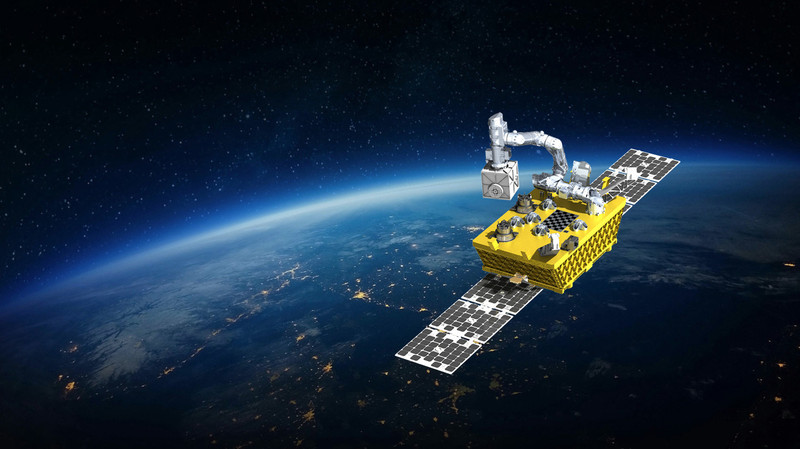
NASA Space Robotics Challenge
NASA invites U.S. researchers to submit proposals for experiments using a robotic arm that will be sent to low Earth orbit as part of the Fly Foundational Robots mission.
Latest news
View all
Stuntman Hollywood: Returns After 19 Years to PS5, Xbox Series, and PC
The iconic action and vehicular stunt franchise makes its comeback courtesy of Saber Interactive, promising a dose of nostalgia and adrenaline for the new generation.

Windows Drops NTLM: Microsoft Boosts Security with Kerberos
Microsoft is taking a crucial step to bolster security in Windows 11, announcing the deprecation of NTLM, its oldest authentication protocol, in favor of Kerberos.

Google Launches Gemma 4 12B: Local AI for Your Laptop with 16GB RAM
Google's new artificial intelligence model aims to democratize access to generative AI, allowing it to run on average consumer computers.
Comments (0)
No comments yet. Be the first!
Leave a comment