
Comprehensive Guide: Understanding the Differences Between Neo QLED, OLED, QLED, and Crystal UHD Smart TVs
Choosing a Smart TV can be daunting with so many technologies available. This Tricuatro guide breaks down the differences between Neo QLED, OLED, QLED, and Crystal UHD to help you make the best decision, especially with the 2026 World Cup on the horizon.
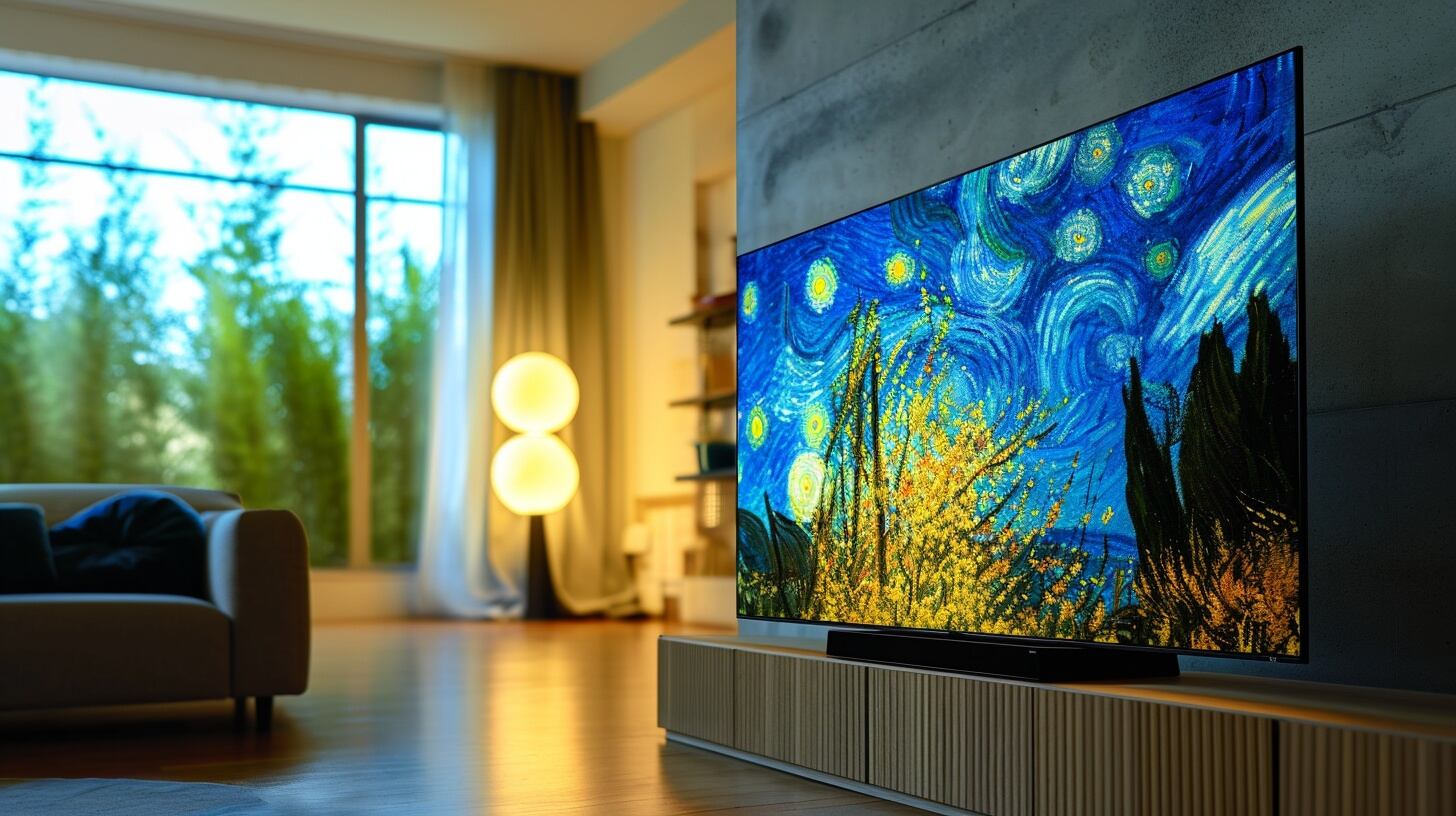
In the fast-paced world of technology, selecting a new Smart TV has become a decision that extends far beyond screen size. With the 2026 World Cup approaching and streaming platforms constantly evolving, understanding the intricacies behind each panel technology is crucial to ensure the best visual experience in your home. From Tricuatro, we offer you a detailed guide to unravel the differences between the main Smart TV technologies available on the market: Neo QLED, OLED, QLED, and Crystal UHD, so your investment is as smart as your new television.
Breaking Down Panel Technologies
The essence of any Smart TV lies in its panel, the technology that brings images to life. Each offers a unique set of advantages and features that cater to different preferences and viewing environments.
LED/LCD: The Foundation of Entertainment
LED/LCD televisions are the industry's backbone and the most accessible. They operate using a liquid crystal display (LCD) layer illuminated by an LED backlight. While they have evolved significantly, their fundamental principle involves controlling light through pixels that open or close. They are versatile, offer good performance in various lighting conditions, and are ideal for daily use, representing excellent value for money for most households.
QLED: Brightness and Color Through Quantum Dots
QLED, a technology primarily championed by Samsung, is an evolution of traditional LED panels. Its distinguishing feature is the use of a layer of quantum dots that, when illuminated by the LED backlight, emit purer and more vibrant colors. This translates into superior color volume and, most notably, significantly higher brightness compared to standard LED/LCDs. QLED TVs are a fantastic choice for well-lit environments, where their ability to combat glare and deliver impactful images truly shines, making HDR (High Dynamic Range) content look spectacular.
OLED: Pure Blacks and Infinite Contrast
OLED (Organic Light Emitting Diode) technology represents a different paradigm. Unlike LED panels that require backlighting, each pixel in an OLED TV is self-emissive, meaning it generates its own light. The ability to turn individual pixels on and off allows for absolute blacks, as an off pixel is truly black. This results in virtually infinite contrast, incredibly accurate colors, extremely wide viewing angles, and astonishing panel thinness. OLEDs are the preferred choice for cinephiles and enthusiasts seeking maximum image quality, especially in dark environments, where their ability to display shadow detail and color depth is unmatched. However, they are typically more expensive, and while greatly improved, a minimal concern for 'burn-in' exists in cases of extreme use with prolonged static images.
Neo QLED and Mini-LED: The Evolution of Lighting Control
Neo QLED, a term coined by Samsung, and Mini-LED, adopted by other manufacturers like LG (QNED), TCL, and Hisense, represent the next generation of QLED technology. The key innovation here is the replacement of conventional LEDs with thousands of tiny Mini-LEDs, much smaller than traditional ones. This allows for much more precise backlight control, dividing the screen into thousands of local dimming zones. The result is significantly improved contrast, deeper blacks that approach OLEDs, and a reduction in the 'halo' effect around bright objects, all while maintaining the exceptional brightness and color volume characteristic of QLED. They are an excellent option for those seeking high-end image performance that combines the best of both worlds: QLED brightness and near-OLED contrast.
Crystal UHD/UHD 4K: Access to Ultra High Definition
Crystal UHD, a Samsung marketing term, refers to their standard LED TVs that offer 4K (Ultra High Definition) resolution. These models are the gateway to the 4K experience at more competitive prices. While they do not incorporate advanced quantum dot or self-emissive pixel technologies, they offer a substantial improvement in image sharpness and detail compared to Full HD televisions. They are a solid, budget-friendly option for those looking to jump to 4K resolution without investing in the more premium panel technologies, ideal for general content consumption and enjoying most broadcasts and streaming services.
Guide to Selecting the Perfect Smart TV for Your Home
Beyond panel technology, several key factors need consideration to ensure your new Smart TV perfectly fits your needs and lifestyle.
Size and Resolution: Visual Immersion
Screen size selection should be based on viewing distance. For an immersive experience, a larger screen is recommended as the distance increases. For example, for large living rooms with distances of 2.5 meters (8 feet) or more, 55-inch models and up are ideal. For smaller rooms or bedrooms, between 32 and 43 inches is usually sufficient. Regarding resolution, opt for 4K (Ultra HD) as a minimum. It offers four times more pixels than Full HD, resulting in much sharper and more detailed images, crucial for modern content. While 8K is available, native content is scarce, so 4K remains the optimal standard for most.
Operating System and Connectivity: The Smart Heart
The operating system is the interface that connects you to your apps and services. Platforms like Tizen (Samsung), WebOS (LG), Google TV, and Android TV (Sony, TCL, Hisense, among others) offer intuitive experiences, access to a vast catalog of applications (Netflix, YouTube, Disney+, etc.), and often, integration with voice assistants. Ensure the TV has enough HDMI ports (preferably HDMI 2.1 for next-gen gaming and high refresh rates) and USB for your external devices, plus WiFi connectivity (dual-band for better performance) and Bluetooth for peripherals like soundbars or headphones.
Sound and Additional Features: Beyond the Image
While image is paramount, sound quality should not be underestimated. While integrated speakers have improved, for a truly immersive audio experience, consider models with soundbar or home theater system compatibility. Look for additional features that enhance your experience: voice control (Google Assistant, Alexa), specific gaming modes (VRR, ALLM for consoles), integrated smart assistants, and compatibility with your smart home ecosystem. These features can transform your TV into the central hub of your entertainment and smart home.
Budget: A Smart Investment
Finally, your budget will play a crucial role. Compare prices, read reviews, and look for deals. Remember that a television is a long-term investment. It's preferable to invest a little more in technology that meets your long-term needs than to opt for the cheapest option and regret it later. Evaluate which features are essential for you and which are extras, and seek the perfect balance between quality, features, and price.
Tips for Caring for and Maintaining Your Smart TV
Once you've chosen your ideal Smart TV, it's essential to care for it properly to extend its lifespan and maintain image quality.
Proper Location: Protecting Your Investment
Place your TV in a stable and secure location, away from direct heat sources like radiators or fireplaces, and avoid prolonged exposure to direct sunlight, which can degrade the panel over time and cause annoying glare. Excessive humidity is also detrimental to electronic components. Ensure there is sufficient ventilation around the TV to prevent overheating.
Cleaning: Maintaining Clarity
To clean the screen, always use a dry, soft microfiber cloth. If there are stubborn smudges, lightly dampen the cloth with distilled water or a screen-specific cleaning solution (without alcohol or ammonia). Never spray liquids directly onto the screen. Clean the frame and base with a similar cloth to prevent dust accumulation.
Updates and Protection: Software and Hardware
Keep your Smart TV's software updated. Manufacturers regularly release firmware updates that improve performance, security, and add new features. Additionally, consider using a surge protector to safeguard your investment against power spikes. If you have an OLED TV, avoid leaving static images on the screen for very prolonged periods to minimize any risk of image retention, although modern models incorporate technologies to mitigate this effect.
By considering these aspects, you'll be well-equipped to choose and maintain a Smart TV that not only offers an exceptional visual experience for the 2026 World Cup and beyond but also integrates seamlessly into your smart home.
Related articles

Windows Drops NTLM: Microsoft Boosts Security with Kerberos
Microsoft is taking a crucial step to bolster security in Windows 11, announcing the deprecation of NTLM, its oldest authentication protocol, in favor of Kerberos.

Chrome Bolsters Security with DBSC Against Cookie Theft
Google Chrome has rolled out a new DBSC feature, linking sessions to your hardware to protect accounts from credential theft attacks.
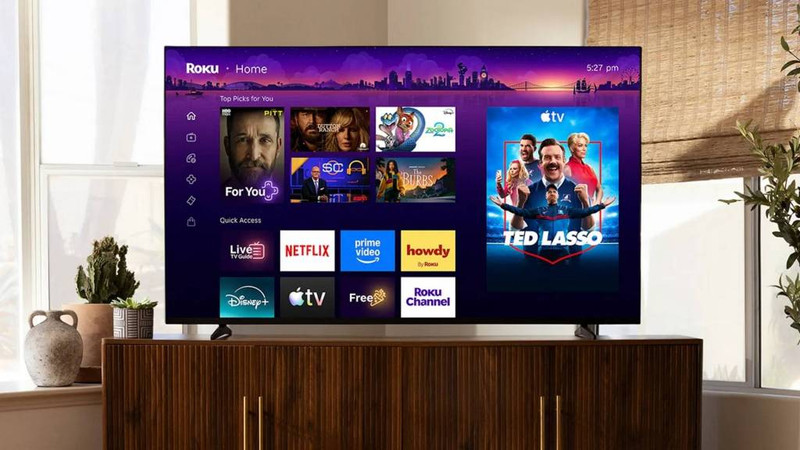
Roku's home screen gets an AI-powered refresh for 2026
Roku is rolling out a significant update to its main interface, promising a more personalized experience with integrated advertising.
Latest news
View all
Stuntman Hollywood: Returns After 19 Years to PS5, Xbox Series, and PC
The iconic action and vehicular stunt franchise makes its comeback courtesy of Saber Interactive, promising a dose of nostalgia and adrenaline for the new generation.

NASA's Maven Mars Orbiter Declared Out of Service After Six Months of Silence
Following an anomaly that disrupted its orbit and depleted its batteries, the Maven spacecraft, vital for understanding Mars' atmosphere, has ended its active mission. Its scientific data remains an invaluable legacy.

NASA Reveals New Path for Earth's Essential Life Elements
A recent study, published in Science Advances, uncovers how early Earth may have received phosphorus and nitrogen, highlighting Jupiter's critical role.
Comments (0)
No comments yet. Be the first!
Leave a comment