
China Pioneers Space Exploration with First Sea-Based Rocket Launch
On April 18, China will make history by launching the Jielong-3 rocket from open waters. This strategy aims to overcome land-based platform saturation, cut costs, and enhance safety.

On April 18, China will achieve a significant milestone in space exploration. The nation is set to launch a rocket from open waters for the first time. The specially modified vessel, Dong Fang Hang Tian Gang, will serve as the launch platform. This innovative approach aims to overcome the inherent challenges of traditional land-based sites.
The Jielong-3 rocket, measuring 31 meters, is designed for commercial flights. It was developed by the China Academy of Launch Vehicle Technology. This launch will occur from the South China Sea, marking a global first for open-water rocket deployment. China intends for this event to be the precursor to many similar operations.
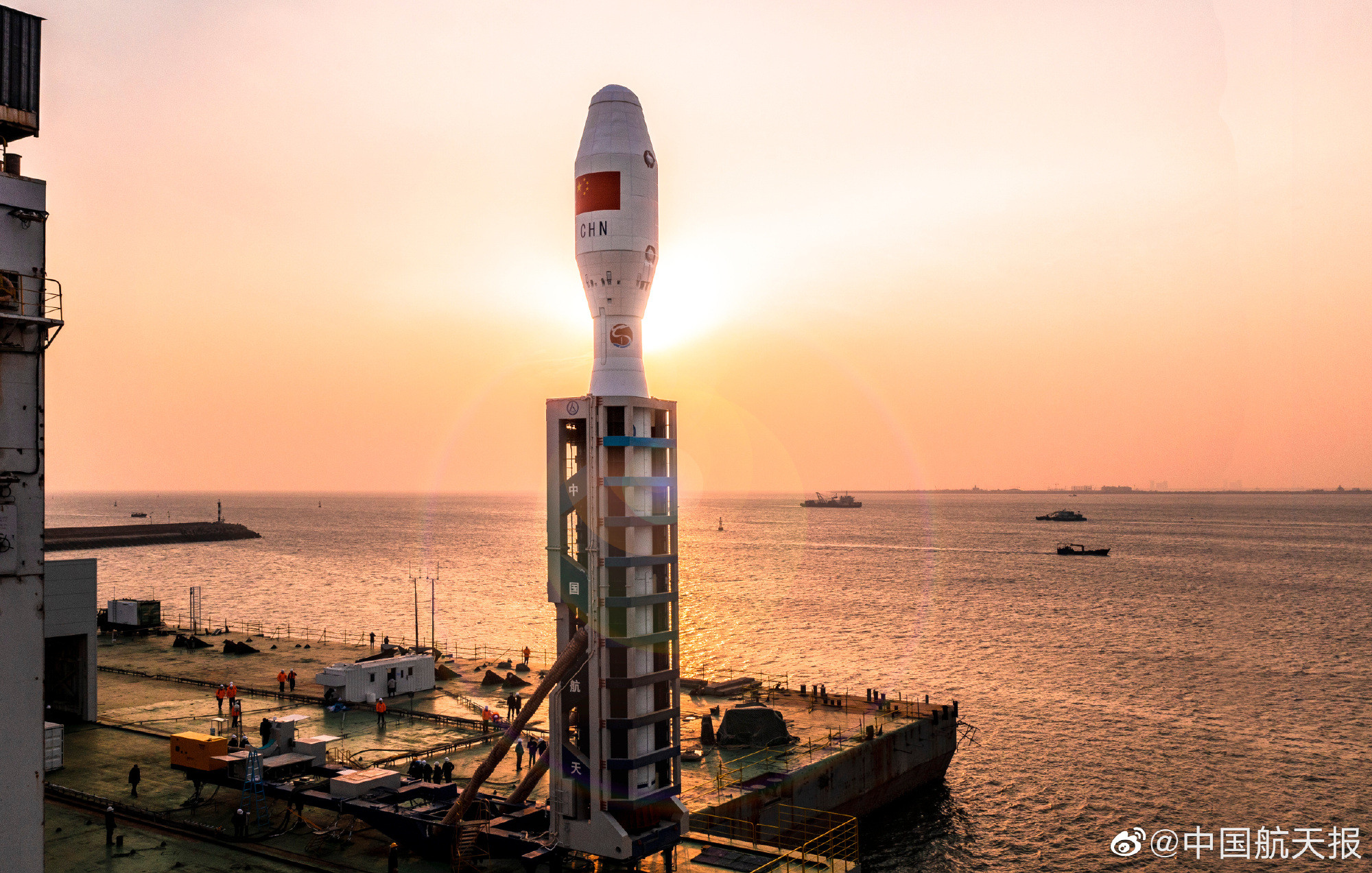
A primary driver for this maritime strategy is the increasing congestion at conventional launch facilities. The booming satellite industry, supporting telecommunications and other novel applications, has created unprecedented demand. This often leads to extensive waiting lists for launches, further complicated by narrow launch windows.
Launching rockets from the sea effectively addresses launch platform saturation, reduces operational expenses, and substantially enhances safety.
Beyond addressing the bottleneck, sea-based launches offer considerable economic advantages. Establishing a land-based platform requires acquiring vast tracts of land and constructing complex, expensive infrastructure. Conversely, an adapted platform in the open ocean significantly reduces these initial and ongoing costs.
Safety represents another crucial benefit of this innovation. Offshore launch platforms are inherently safer than their terrestrial counterparts. The growing use of powerful, yet highly explosive, fuels like methane necessitates large exclusion zones on land. These safety requirements are greatly minimized when launching from the ocean.
Furthermore, space launches generate substantial noise pollution and pose risks from falling debris. These issues directly impact communities located near land-based launch sites. By moving operations to sea, China eliminates these direct risks to human populations. The commitment to retrieve any debris remains vital for environmental protection.
Ultimately, China's strategic vision for embracing maritime launches is clear. Launching rockets from the sea effectively addresses launch platform saturation, reduces operational expenses, and substantially enhances safety. This forward-thinking approach could redefine the global space industry, making launches more accessible and efficient for the future.
Article topics
Related articles

NASA Reveals New Path for Earth's Essential Life Elements
A recent study, published in Science Advances, uncovers how early Earth may have received phosphorus and nitrogen, highlighting Jupiter's critical role.
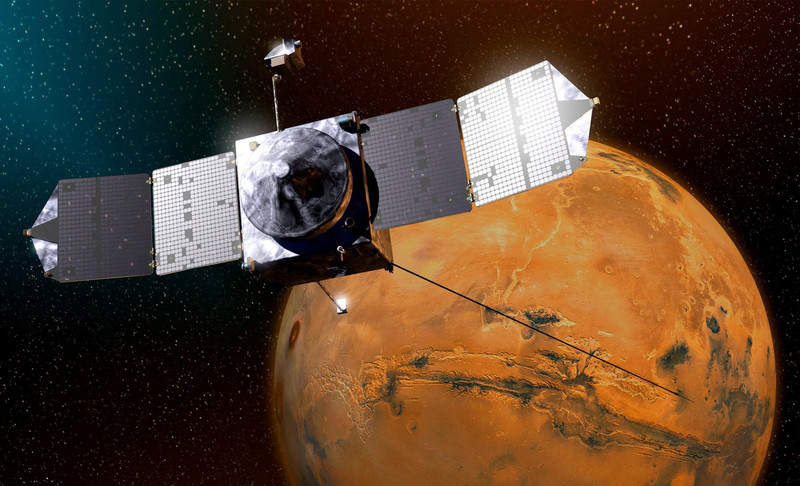
NASA's Maven Mars Orbiter Declared Out of Service After Six Months of Silence
Following an anomaly that disrupted its orbit and depleted its batteries, the Maven spacecraft, vital for understanding Mars' atmosphere, has ended its active mission. Its scientific data remains an invaluable legacy.
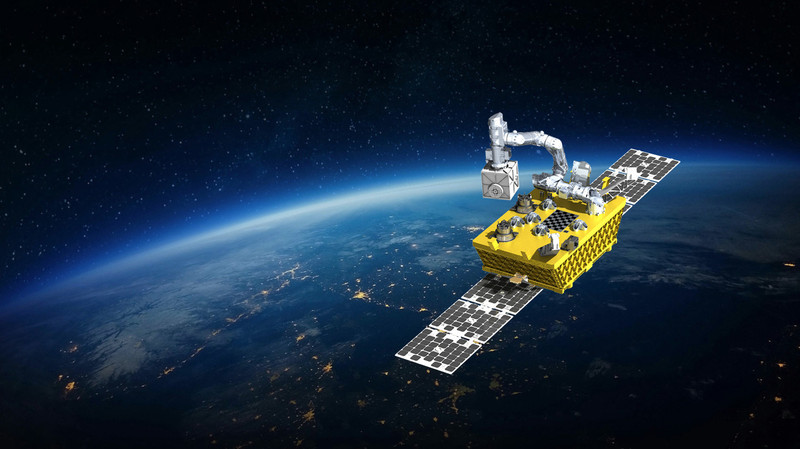
NASA Space Robotics Challenge
NASA invites U.S. researchers to submit proposals for experiments using a robotic arm that will be sent to low Earth orbit as part of the Fly Foundational Robots mission.
Latest news
View all
Stuntman Hollywood: Returns After 19 Years to PS5, Xbox Series, and PC
The iconic action and vehicular stunt franchise makes its comeback courtesy of Saber Interactive, promising a dose of nostalgia and adrenaline for the new generation.

Windows Drops NTLM: Microsoft Boosts Security with Kerberos
Microsoft is taking a crucial step to bolster security in Windows 11, announcing the deprecation of NTLM, its oldest authentication protocol, in favor of Kerberos.

Google Launches Gemma 4 12B: Local AI for Your Laptop with 16GB RAM
Google's new artificial intelligence model aims to democratize access to generative AI, allowing it to run on average consumer computers.
Comments (0)
No comments yet. Be the first!
Leave a comment