
Brazil Reshapes Global Rare Earths Game, Prioritizing Local Development
The South American nation, home to vast reserves, demands technological investment and in-country processing from foreign partners, setting a new precedent in critical mineral geopolitics.
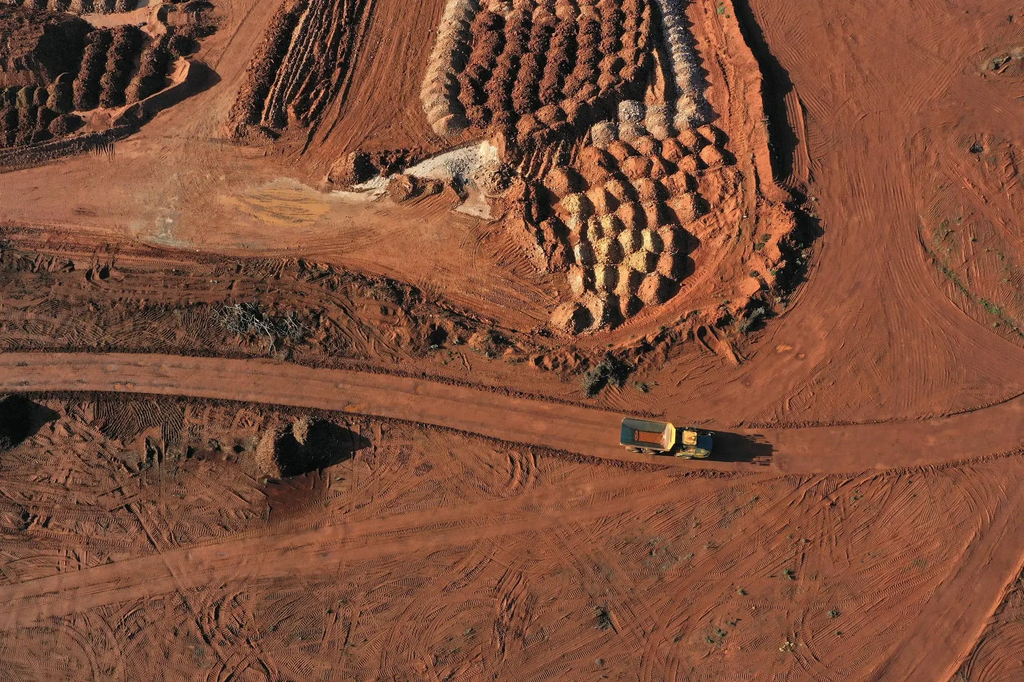
Brazil, home to one of the world's largest rare earth reserves, is actively reshaping the global rules for these critical minerals. In a strategic standoff involving the United States and China, the South American nation aims to ensure that resource exploitation drives local technological development and industry, setting a significant precedent for the global economy.
Rare earths are indispensable for modern technology, powering everything from high-strength magnets to advanced electronic components. Years ago, a sharp reduction in Chinese exports, following a diplomatic incident with Japan, unveiled their strategic global value. That episode clearly demonstrated how an often-invisible resource can become a powerful geopolitical lever.
Today, this race for critical minerals has entered a new phase, with Brazil positioning itself as a central player. Holding one of the planet's largest reserves, the South American country adopted a common-sense approach. It refuses to repeat its historical role as a mere raw material exporter, seeking a profound shift in global dynamics.
The United States intensified its efforts to secure access to these reserves, proposing multi-billion dollar investments and bilateral agreements. Washington seeks to guarantee direct supply to its companies and secure production rights through financing. However, Brazil perceived this strategy as overly aggressive, generating political resistance and slowing potential agreements.
Meanwhile, China remains a fundamental actor on this global stage. It continues as the world's leading processor of rare earths and maintains active commercial relations with Brazil. Exports to the Asian giant have grown, and its industrial expertise is difficult to match in the short term. This allows Brazil to negotiate with multiple powers without being forced to choose, at least for now.
Brazil aims to transform its mineral wealth into its own industrial capacity, breaking decades of dependency.
Here, Brazil introduces its strategic condition, an unusual twist in such agreements. The country welcomes foreign capital, but demands more than simple resource extraction. Any partner must contribute to local technological development, in-country processing, and job creation. Brazil aims to transform its mineral wealth into its own industrial capacity, breaking decades of dependency.
Article topics
Related articles

NASA Reveals New Path for Earth's Essential Life Elements
A recent study, published in Science Advances, uncovers how early Earth may have received phosphorus and nitrogen, highlighting Jupiter's critical role.
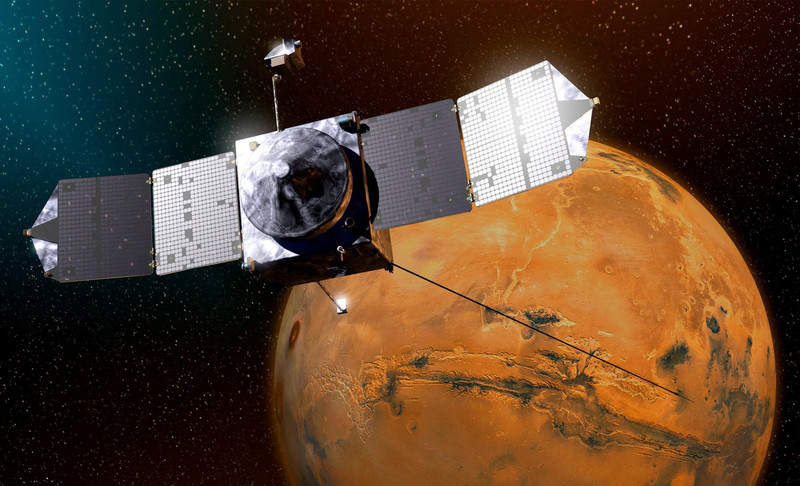
NASA's Maven Mars Orbiter Declared Out of Service After Six Months of Silence
Following an anomaly that disrupted its orbit and depleted its batteries, the Maven spacecraft, vital for understanding Mars' atmosphere, has ended its active mission. Its scientific data remains an invaluable legacy.
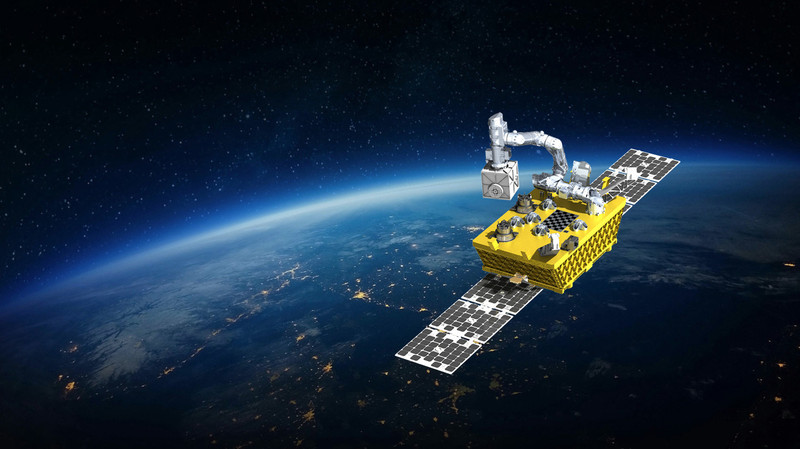
NASA Space Robotics Challenge
NASA invites U.S. researchers to submit proposals for experiments using a robotic arm that will be sent to low Earth orbit as part of the Fly Foundational Robots mission.
Latest news
View all
Stuntman Hollywood: Returns After 19 Years to PS5, Xbox Series, and PC
The iconic action and vehicular stunt franchise makes its comeback courtesy of Saber Interactive, promising a dose of nostalgia and adrenaline for the new generation.

Windows Drops NTLM: Microsoft Boosts Security with Kerberos
Microsoft is taking a crucial step to bolster security in Windows 11, announcing the deprecation of NTLM, its oldest authentication protocol, in favor of Kerberos.

Google Launches Gemma 4 12B: Local AI for Your Laptop with 16GB RAM
Google's new artificial intelligence model aims to democratize access to generative AI, allowing it to run on average consumer computers.
Comments (0)
No comments yet. Be the first!
Leave a comment