
Artemis II's Triumphant Return: NASA Sets Ambitious Sights on a Permanent Lunar Presence by 2028
The Artemis II mission has successfully concluded its nine-day journey around the Moon, marking a historic milestone and laying the groundwork for NASA's ambitious goal of establishing a permanent human presence on the lunar surface by 2028.

The Orion capsule of the Artemis II mission has completed a monumental journey, splashing down in the Pacific Ocean at 9:07 PM (Argentina time) after a rapid descent at over 40,000 kilometers per hour. This achievement not only marks the end of a 9-day, 1-hour, and 32-minute voyage that took four astronauts to orbit the Moon and return to Earth, but also represents the first crewed lunar orbit mission in over fifty years. The success of Artemis II is a crucial step in NASA's renewed ambition for lunar exploration, with the agency's head, Jared Isaacman, calling the return a moment of profound pride and anticipating that the ultimate goal is to return to the satellite to stay.
The Emotion of a Triumphant Return and NASA's Gratitude
Following the splashdown, emotion was palpable during NASA's official broadcast. Jared Isaacman, head of the agency, was among the first to speak, visibly moved. “I'm still speechless. The childhood Jared in me cannot believe what he just witnessed. I've waited almost my entire life to see this,” he expressed to the cameras, reflecting the sentiment of millions of space exploration enthusiasts worldwide. The administrator was generous with his thanks, acknowledging the tireless work of the NASA workforce, the technical teams who designed and operated the mission, the U.S. Navy for its crucial role in recovery, and the international partners who made the astronauts' safe return possible. “We just brought astronauts back from the Moon. Incredible,” he emphasized, underscoring that Artemis II's success is the result of “years, effort, and long days” put in by specialists across the country.
Technical Rigor and an Impeccable Pacific Recovery
The recovery operation in the Pacific Ocean was a testament to the technical rigor and meticulous planning that characterize space missions. The Orion capsule, stabilized by five orange balloons, floated awaiting specialized personnel. The astronauts, including Christina Koch and Commander Reid Wiseman, confirmed they were in excellent health, a remarkable achievement considering the extreme re-entry conditions, where the capsule endured temperatures of up to 2,700 degrees Celsius. NASA's control center monitored the re-entry minute by minute, confirming the correct deployment of parachutes and ideal weather conditions for descent. The agency detailed that the capsule completed a journey of 1,118,624 kilometers and was designed to withstand the challenges of return, including a six-minute communication blackout period while passing through the densest layers of the atmosphere. Isaacman celebrated the crew's safety and highlighted the mission's importance: “I am very happy with the Artemis II mission, we learned a lot for the next Artemis III mission next year. There is much to celebrate and to work on for the next launch.”
“This is Just the Beginning”: NASA's Lunar Vision for 2028
Far from being an isolated event, the return of Artemis II is, in Isaacman's words, “just the beginning.” This crewed test mission has validated critical systems and procedures that will be fundamental for future stages of the Artemis program. The NASA administrator's vision points to a permanent presence on the lunar surface, with a clear objective: “We're going to do it again frequently, until we land on the Moon in 2028 and begin building our base.” This statement underscores the agency's ambition not only to return to the Moon but to establish infrastructure that allows for sustained exploration and eventual preparation for missions to Mars. The success of Artemis II is not an end, but the prelude to a new era of space exploration, where the Moon will cease to be an occasional destination and become a permanent outpost for humanity.
Related articles
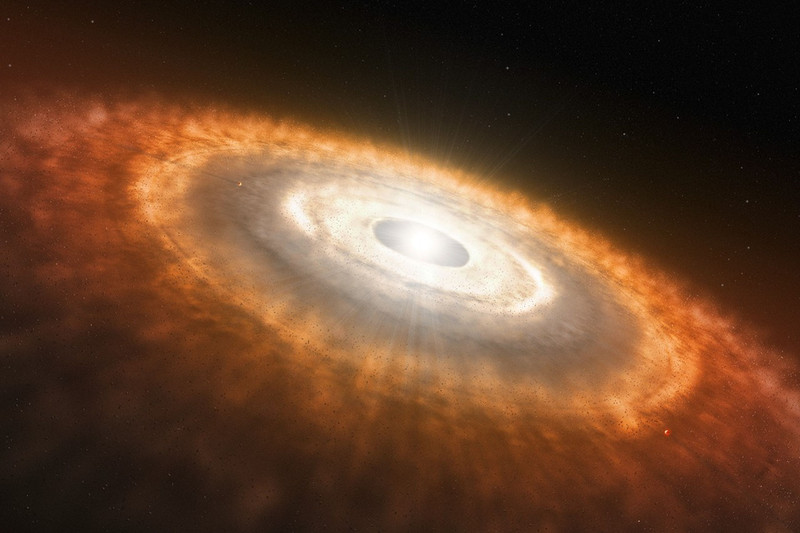
NASA Reveals New Path for Earth's Essential Life Elements
A recent study, published in Science Advances, uncovers how early Earth may have received phosphorus and nitrogen, highlighting Jupiter's critical role.
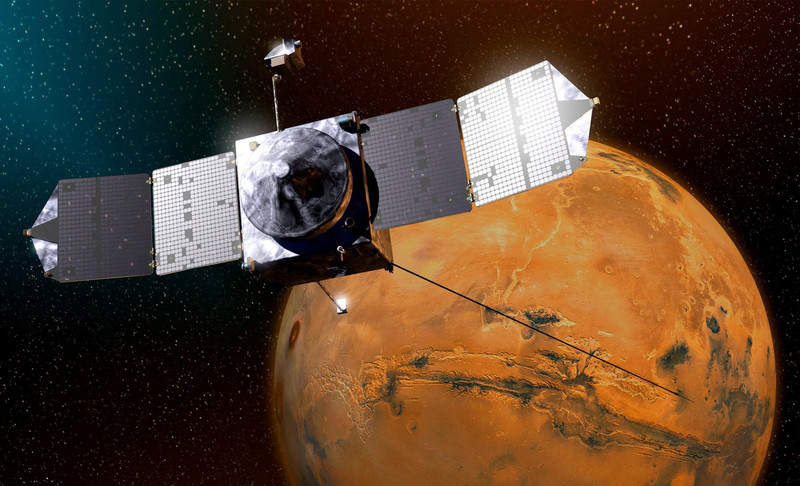
NASA's Maven Mars Orbiter Declared Out of Service After Six Months of Silence
Following an anomaly that disrupted its orbit and depleted its batteries, the Maven spacecraft, vital for understanding Mars' atmosphere, has ended its active mission. Its scientific data remains an invaluable legacy.
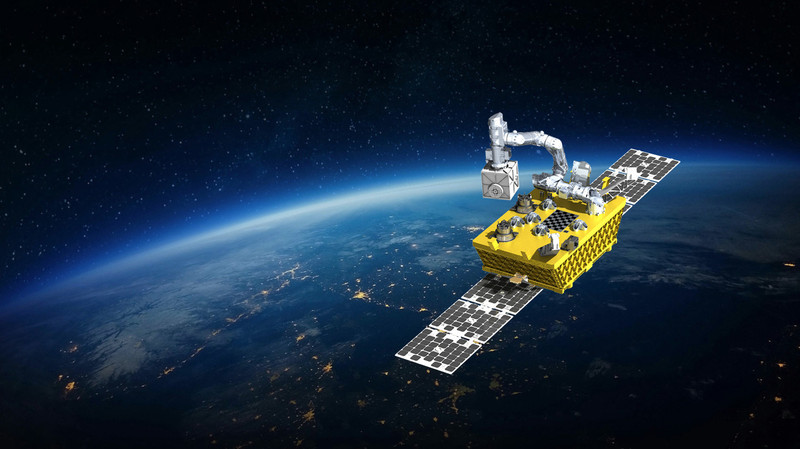
NASA Space Robotics Challenge
NASA invites U.S. researchers to submit proposals for experiments using a robotic arm that will be sent to low Earth orbit as part of the Fly Foundational Robots mission.
Latest news
View all
Stuntman Hollywood: Returns After 19 Years to PS5, Xbox Series, and PC
The iconic action and vehicular stunt franchise makes its comeback courtesy of Saber Interactive, promising a dose of nostalgia and adrenaline for the new generation.

Windows Drops NTLM: Microsoft Boosts Security with Kerberos
Microsoft is taking a crucial step to bolster security in Windows 11, announcing the deprecation of NTLM, its oldest authentication protocol, in favor of Kerberos.

Google Launches Gemma 4 12B: Local AI for Your Laptop with 16GB RAM
Google's new artificial intelligence model aims to democratize access to generative AI, allowing it to run on average consumer computers.
Comments (0)
No comments yet. Be the first!
Leave a comment