
Artemis II: The Mission Launching a Trillion-Dollar Space Economy
NASA's upcoming crewed mission is far more than just a trip to the Moon. Artemis II is the catalyst for a new economic era, solidifying our status as a space-faring species.

Artemis II, NASA's imminent crewed mission, represents a monumental milestone for humanity. This journey around the Moon will not only test vital technologies but also serves as the launchpad for a future space economy valued at a trillion dollars. It marks the concrete first step in human beings becoming a true space-faring species.
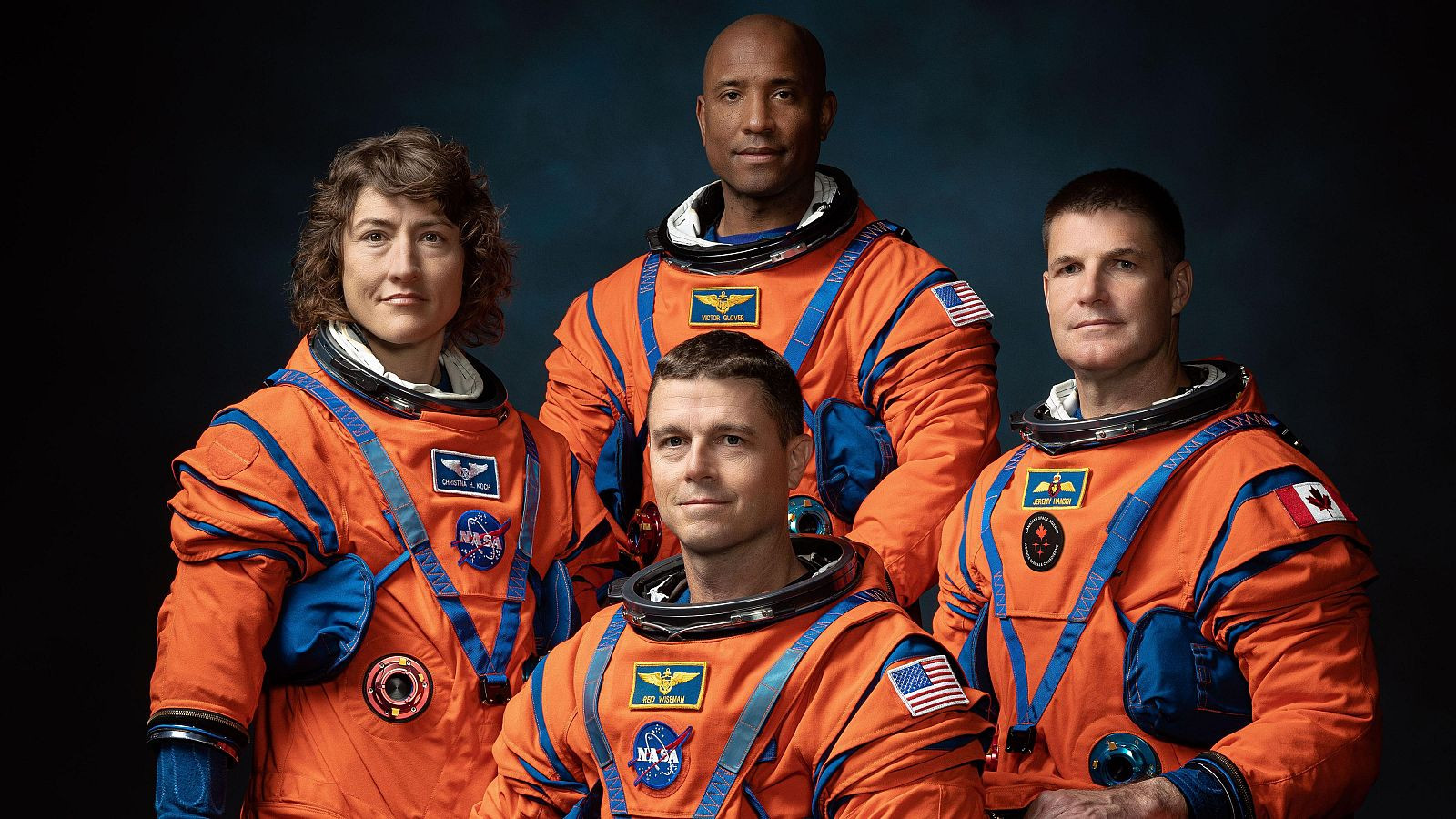
The Artemis II mission will send four astronauts on a trajectory around the lunar orbit. Its primary objective is to thoroughly test the Orion spacecraft systems and the powerful SLS rocket. This voyage, expected to last approximately ten days, will establish the operational groundwork for subsequent lunar landings and, eventually, for Mars exploration.
The concept of a "space-faring species" implies humanity's ability to live, work, and thrive sustainably beyond our home planet. Artemis II is crucial because it validates the technology and complex procedures required to sustain long-duration deep-space missions.
Artemis II is the first step in human beings becoming a true space-faring species.
Astrophysicists and space economy experts agree that the Artemis program transcends mere exploration. They view it as a strategic investment poised to unlock entirely new industries. This includes asteroid mining, space tourism, and advanced in-orbit manufacturing.
The current space economy already generates billions of dollars annually. With the momentum from Artemis, unprecedented exponential growth is projected. This expansion will create a vast number of new jobs, drive technological innovation, and foster previously unimaginable commercial opportunities.
This ambitious project underscores a global commitment to expanding our presence in the cosmos. It actively prepares us for a future where human activity in space becomes an everyday reality and an integral part of our civilization.
Related articles
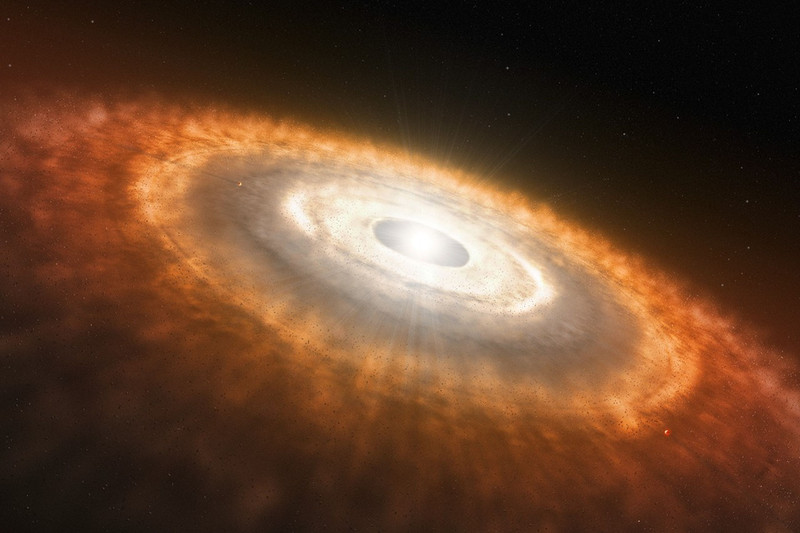
NASA Reveals New Path for Earth's Essential Life Elements
A recent study, published in Science Advances, uncovers how early Earth may have received phosphorus and nitrogen, highlighting Jupiter's critical role.
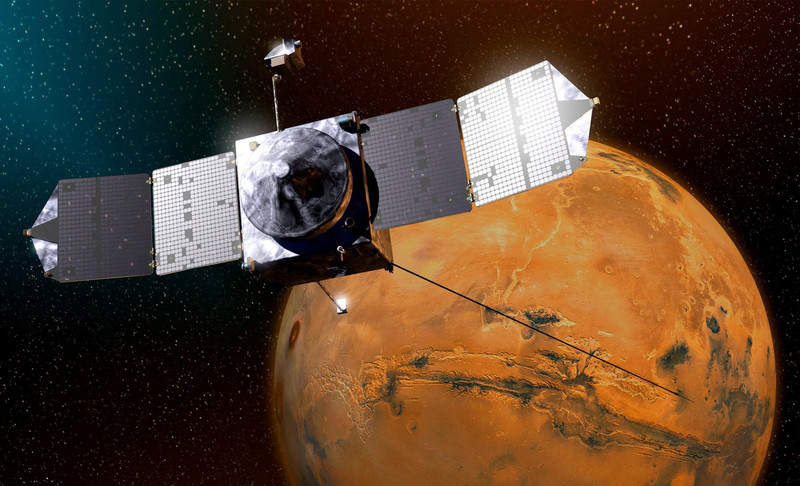
NASA's Maven Mars Orbiter Declared Out of Service After Six Months of Silence
Following an anomaly that disrupted its orbit and depleted its batteries, the Maven spacecraft, vital for understanding Mars' atmosphere, has ended its active mission. Its scientific data remains an invaluable legacy.
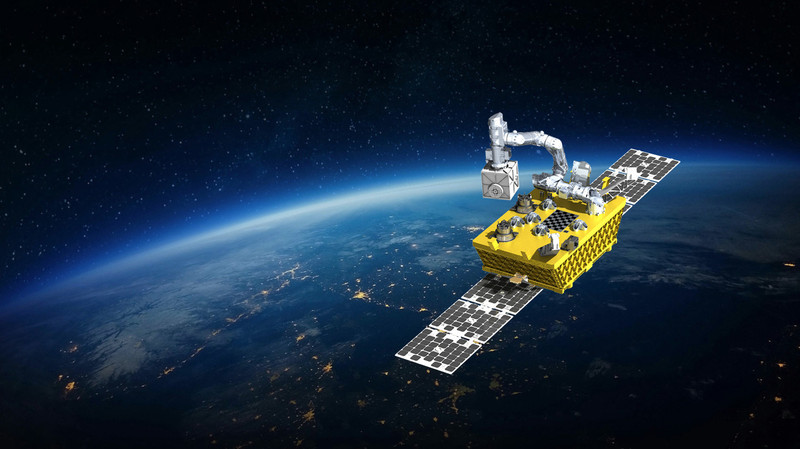
NASA Space Robotics Challenge
NASA invites U.S. researchers to submit proposals for experiments using a robotic arm that will be sent to low Earth orbit as part of the Fly Foundational Robots mission.
Latest news
View all
Stuntman Hollywood: Returns After 19 Years to PS5, Xbox Series, and PC
The iconic action and vehicular stunt franchise makes its comeback courtesy of Saber Interactive, promising a dose of nostalgia and adrenaline for the new generation.

Windows Drops NTLM: Microsoft Boosts Security with Kerberos
Microsoft is taking a crucial step to bolster security in Windows 11, announcing the deprecation of NTLM, its oldest authentication protocol, in favor of Kerberos.
Google Launches Gemma 4 12B: Local AI for Your Laptop with 16GB RAM
Google's new artificial intelligence model aims to democratize access to generative AI, allowing it to run on average consumer computers.
Comments (0)
No comments yet. Be the first!
Leave a comment