
Artemis II Breaks Apollo 13's Historic Distance Record, Marking a New Era in Lunar Exploration
The Artemis II mission has made history by surpassing the record for the farthest distance a crewed spacecraft has traveled from Earth, a benchmark set by Apollo 13 over five decades ago, as it proceeds with its lunar flyby.
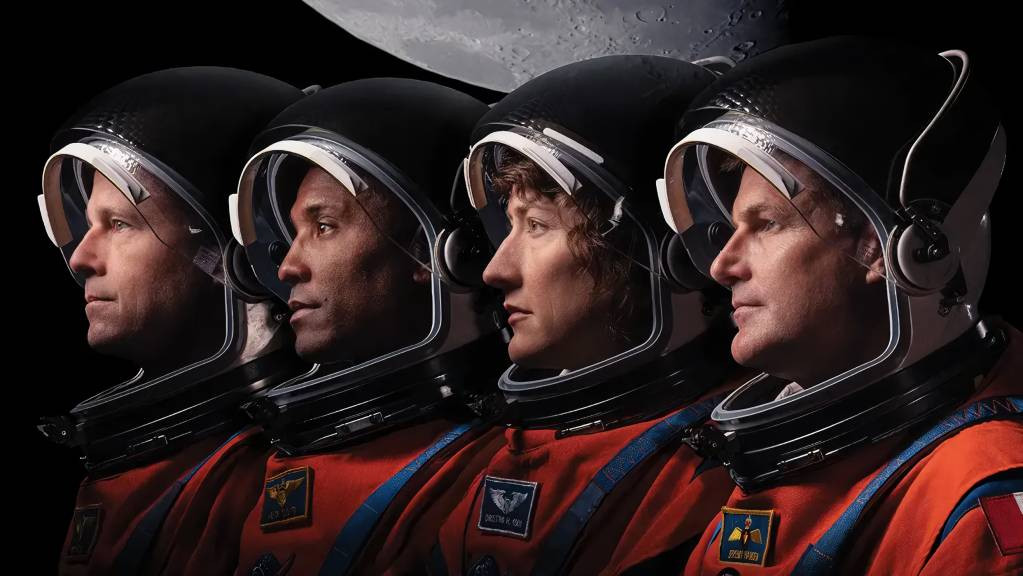
The Artemis II mission, a cornerstone in NASA's ambitious program to return humanity to the Moon, has achieved an extraordinary milestone that resonates with the rich history of space exploration. Amidst its preparations for a crucial lunar flyby, the Artemis II crew has surpassed a distance record that remained unbroken for nearly 56 years, originally set by the legendary Apollo 13 mission. This accomplishment not only underscores the technological advancement and capability of modern missions but also serves as a powerful reminder of the daring and resilience that define humanity's quest for the stars.
Apollo 13's Enduring Legacy
The record for the farthest distance from Earth for a crewed spacecraft was established by the Apollo 13 mission on April 14, 1970, at 7:21 PM Eastern Time. At that moment, the spacecraft, with astronauts Jim Lovell, Jack Swigert, and Fred Haise on board, reached a distance of 400,171 kilometers (248,655 miles). This record was not the primary objective of the mission but rather a consequence of a free-return trajectory around the Moon, implemented after an oxygen tank explosion jeopardized the crew's lives. NASA's ability to bring the astronauts back safely, despite the adversities, made Apollo 13 a testament to ingenuity and determination, and its farthest point remained a symbol of the frontier reached by humans in deep space for over five decades.
Artemis II: Ushering in a New Era of Exploration
On Monday, April 6, 2026, at 1:56 PM Eastern Time, the Artemis II crew, aboard the Orion spacecraft, rewrote this chapter of history. At that instant, they surpassed the Apollo 13 mark, setting a new record for the farthest distance a crewed spacecraft has traveled from our planet. This achievement is far more than a mere number; it represents the culmination of years of development and testing, validating the capability of the Orion spacecraft and its systems to operate at extreme distances from Earth. For the Artemis II astronauts, this milestone is a crucial test and a vital step in preparing for even more ambitious missions, including the eventual return of humans to the lunar surface and, ultimately, the exploration of Mars.
Setting a New Absolute Benchmark
While the Apollo 13 record has already been broken, the Artemis II mission does not stop there. According to NASA's official schedule, the Orion spacecraft will establish a new absolute record for the maximum distance from Earth. This will occur at 7:07 PM Eastern Time on the same Monday, April 6, when Artemis II will reach an impressive distance of 406,778 kilometers (252,760 miles). This new benchmark will be etched into the history of space exploration as the farthest point a human crew has ever traveled. It is a testament to continuous progress and a harbinger of future expeditions that will seek to break this record once again, as humanity extends its reach towards the Red Planet and beyond.
Key Maneuvers: The Lunar Flyby
With the distance record now secured, the Artemis II crew is focusing on the next critical phase of their mission: the historic lunar flyby. The start of this phase is scheduled for 2:45 PM Eastern Time. The point of closest approach of the Orion spacecraft to the Moon will occur at 7:02 PM Eastern Time, just moments before the new absolute distance record is set. During this flyby, key events for the mission will take place. The Orion spacecraft will lose all communications for approximately 40 minutes, from 6:44 PM to 7:25 PM Eastern Time, as it flies behind the Moon. This blackout is a crucial test of autonomous navigation systems and the crew's ability to operate independently. Additionally, at 8:35 PM Eastern Time, a solar eclipse not visible from Earth will begin, lasting until 9:32 PM, offering a unique opportunity for scientific observation from the spacecraft's perspective.
The Future of Space Exploration: Beyond Artemis II
The Artemis II lunar flyby and observation period will formally conclude at 9:20 PM Eastern Time, marking a new milestone for space exploration. This mission is an indispensable step in the Artemis program, whose ultimate goal is to land astronauts on the Moon's surface during the Artemis III mission, expected to take place sometime in 2027, barring any further delays. The data and experience gained from Artemis II will be vital to ensuring the safety and success of future crewed missions, not only to the Moon but also in NASA's long-term vision of sending humans to Mars. Every kilometer traveled beyond low Earth orbit brings us one step closer to unraveling the mysteries of the universe and establishing a lasting human presence beyond our home planet.
Related articles
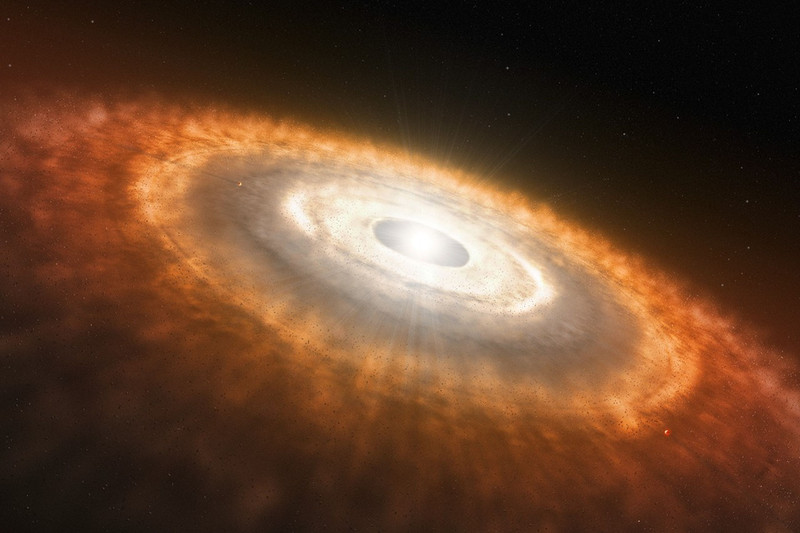
NASA Reveals New Path for Earth's Essential Life Elements
A recent study, published in Science Advances, uncovers how early Earth may have received phosphorus and nitrogen, highlighting Jupiter's critical role.
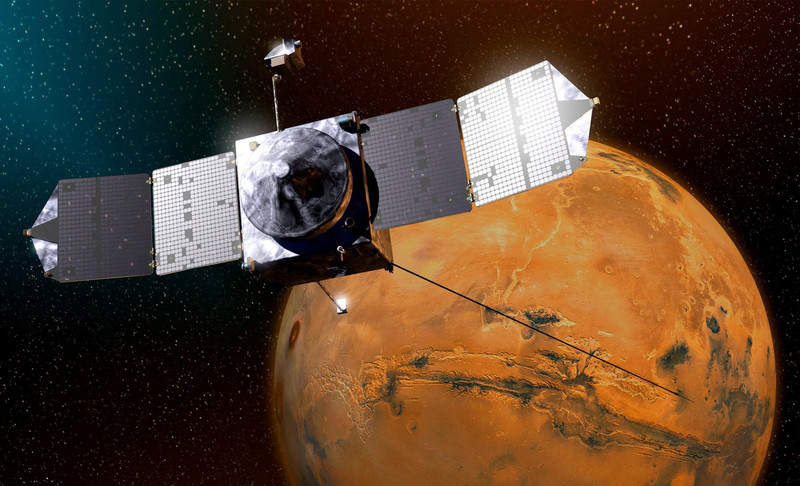
NASA's Maven Mars Orbiter Declared Out of Service After Six Months of Silence
Following an anomaly that disrupted its orbit and depleted its batteries, the Maven spacecraft, vital for understanding Mars' atmosphere, has ended its active mission. Its scientific data remains an invaluable legacy.
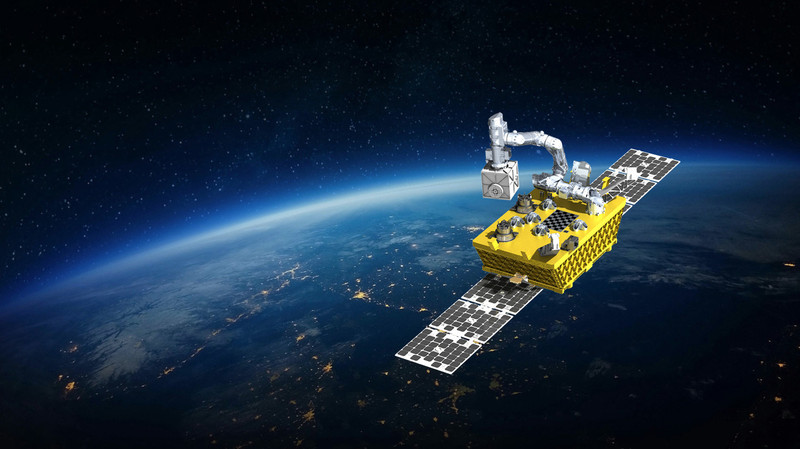
NASA Space Robotics Challenge
NASA invites U.S. researchers to submit proposals for experiments using a robotic arm that will be sent to low Earth orbit as part of the Fly Foundational Robots mission.
Latest news
View all
Stuntman Hollywood: Returns After 19 Years to PS5, Xbox Series, and PC
The iconic action and vehicular stunt franchise makes its comeback courtesy of Saber Interactive, promising a dose of nostalgia and adrenaline for the new generation.

Windows Drops NTLM: Microsoft Boosts Security with Kerberos
Microsoft is taking a crucial step to bolster security in Windows 11, announcing the deprecation of NTLM, its oldest authentication protocol, in favor of Kerberos.

Google Launches Gemma 4 12B: Local AI for Your Laptop with 16GB RAM
Google's new artificial intelligence model aims to democratize access to generative AI, allowing it to run on average consumer computers.
Comments (0)
No comments yet. Be the first!
Leave a comment