
Artemis II: A Resounding Success Paving the Way for Humanity's Return to the Moon
NASA's Artemis II mission has successfully completed its journey around the Moon and splashed down on Earth, marking a critical milestone in the path to returning humans to the lunar surface.
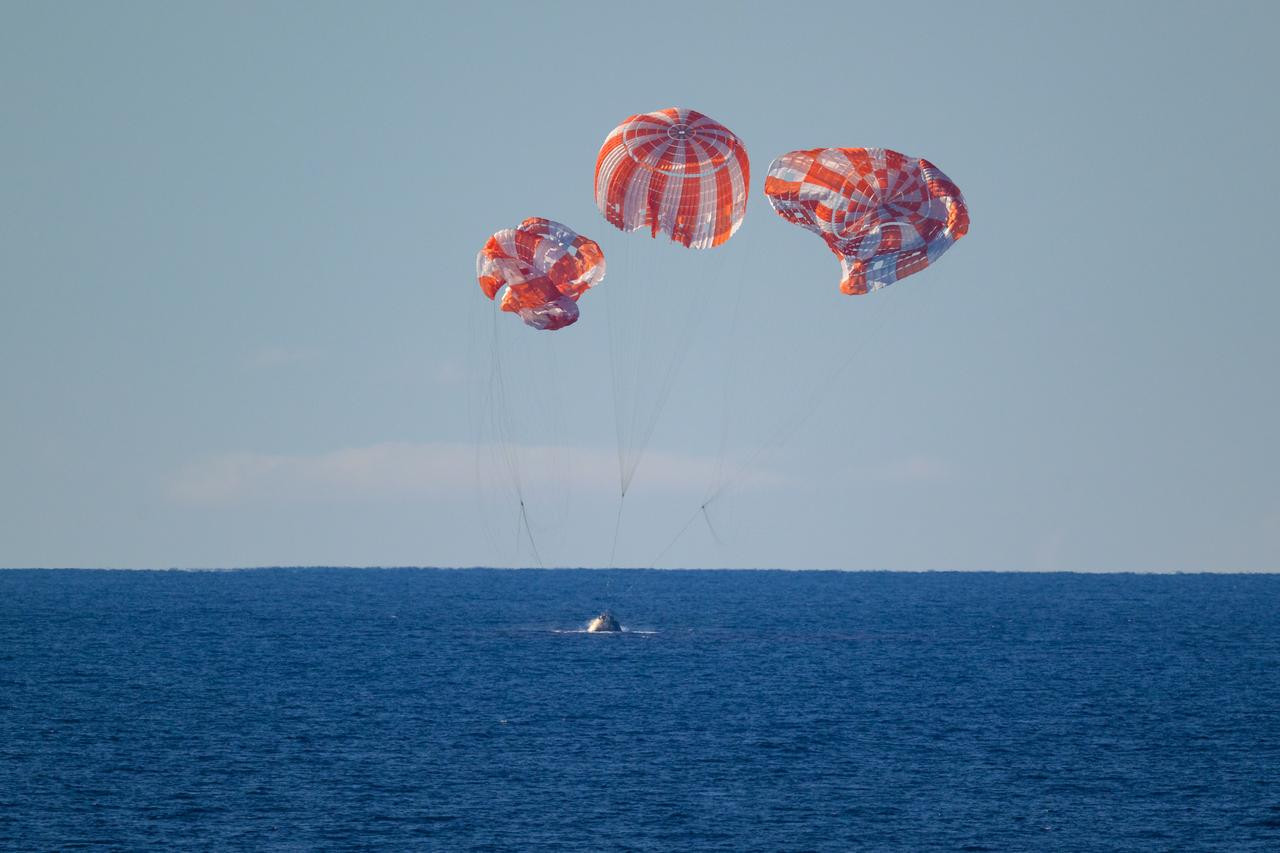
NASA has celebrated a monumental triumph with the successful splashdown of the Artemis II mission, concluding its historic journey around the Moon and back to Earth. This achievement not only represents the culmination of an unprecedented crewed test flight but also paves the way for the next phase of the Artemis program, whose ultimate goal is to establish a sustainable human presence on the Moon and, eventually, prepare the ground for future missions to Mars.
The Artemis Program: A Glimpse into the Future of Space Exploration
Artemis II is a fundamental piece within NASA's ambitious Artemis program, designed to return humans to the Moon for the first time since the Apollo missions. The program is structured in several phases: Artemis I, an uncrewed test mission that validated the Space Launch System (SLS) rocket and the Orion spacecraft; Artemis II, the crewed test flight that has just concluded; and Artemis III, the mission that will land astronauts on the lunar surface, including the first woman and the first person of color. This phased approach ensures the safety and effectiveness of each step, building upon the success of previous missions.
Artemis II: Testing Human and Technological Limits
The Artemis II mission, which carried four astronauts (Reid Wiseman, Victor Glover, Christina Koch, and Jeremy Hansen) on a journey around the Moon, had as its primary objective to test critical Orion spacecraft systems with a crew on board. Throughout its trajectory, the crew verified the functioning of life support, communication systems, navigation, and re-entry procedures. This flight, which took astronauts farther from Earth than any human in over half a century, was an exhaustive test of Orion's ability to keep the crew safe and functional in deep space, validating the technology and protocols necessary for longer-duration missions.
A Successful Splashdown and Invaluable Data
The splashdown of the Orion capsule in the Pacific Ocean was executed with precision, demonstrating the reliability of the parachute and recovery systems. This event marks the end of a mission that has provided NASA with an invaluable amount of data on spacecraft performance, crew endurance, and the effectiveness of operational procedures. The information gathered will be crucial for refining the plans and technologies for Artemis III and subsequent missions, ensuring that the next journey to the lunar surface is as safe and productive as possible. The astronauts' experience, from launch to splashdown, is fundamental to understanding the challenges of deep space exploration.
The Path to the Moon and Beyond
The success of Artemis II not only reaffirms NASA's capability to conduct complex space missions but also propels the goal of establishing a long-term lunar presence. This program is not limited to stepping on the Moon; it seeks to build the Gateway space station in lunar orbit, develop new technologies for exploration, and foster international collaboration. The Moon will serve as a vital proving ground for the technologies and strategies that will eventually enable humanity to venture on crewed missions to Mars, opening a new chapter in the history of space exploration and the expansion of our understanding of the universe.
Inspiration and Global Collaboration
Beyond the technical and scientific achievements, the Artemis program, and particularly the success of Artemis II, has a profound impact on global inspiration. By involving international partners and a new generation of engineers and scientists, NASA is fostering an unprecedented era of collaboration in space exploration. This journey to the Moon is not just the effort of one nation but a testament to collective human ingenuity and our innate desire to explore the unknown, promising discoveries that will benefit all humanity and ignite the imagination of future generations.
Article topics
Related articles

NASA Reveals New Path for Earth's Essential Life Elements
A recent study, published in Science Advances, uncovers how early Earth may have received phosphorus and nitrogen, highlighting Jupiter's critical role.
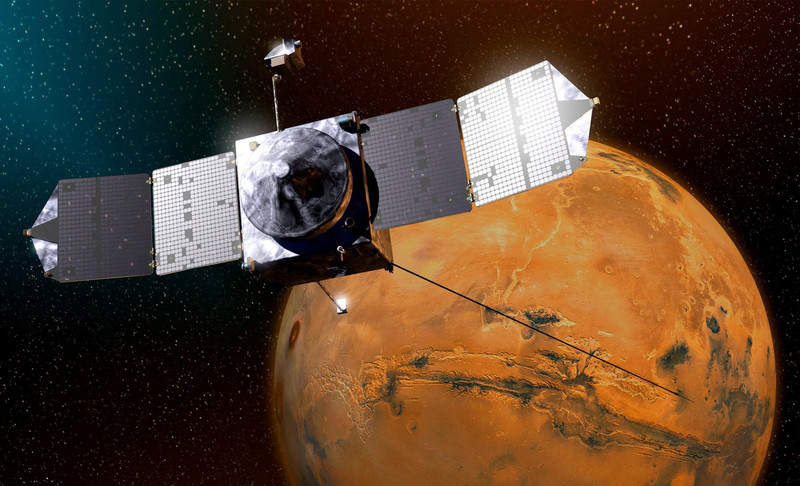
NASA's Maven Mars Orbiter Declared Out of Service After Six Months of Silence
Following an anomaly that disrupted its orbit and depleted its batteries, the Maven spacecraft, vital for understanding Mars' atmosphere, has ended its active mission. Its scientific data remains an invaluable legacy.
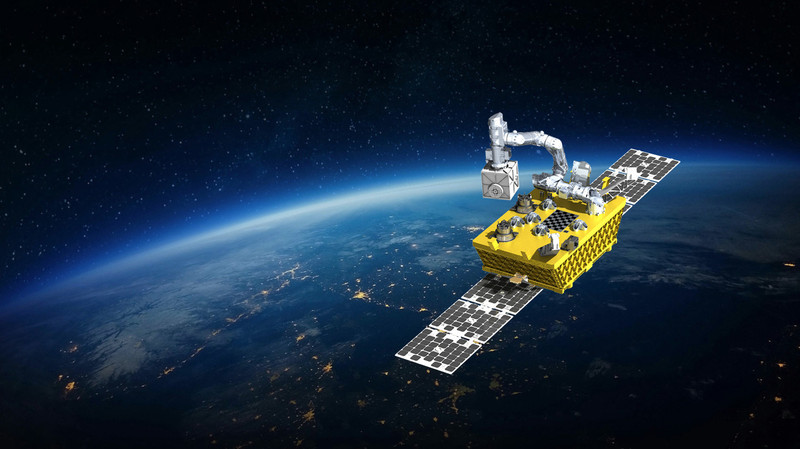
NASA Space Robotics Challenge
NASA invites U.S. researchers to submit proposals for experiments using a robotic arm that will be sent to low Earth orbit as part of the Fly Foundational Robots mission.
Latest news
View all
Stuntman Hollywood: Returns After 19 Years to PS5, Xbox Series, and PC
The iconic action and vehicular stunt franchise makes its comeback courtesy of Saber Interactive, promising a dose of nostalgia and adrenaline for the new generation.

Windows Drops NTLM: Microsoft Boosts Security with Kerberos
Microsoft is taking a crucial step to bolster security in Windows 11, announcing the deprecation of NTLM, its oldest authentication protocol, in favor of Kerberos.

Google Launches Gemma 4 12B: Local AI for Your Laptop with 16GB RAM
Google's new artificial intelligence model aims to democratize access to generative AI, allowing it to run on average consumer computers.
Comments (0)
No comments yet. Be the first!
Leave a comment