
Apple's New MacBook Pro 140W Charger: A Subtle Design Change Breaks Accessory Compatibility
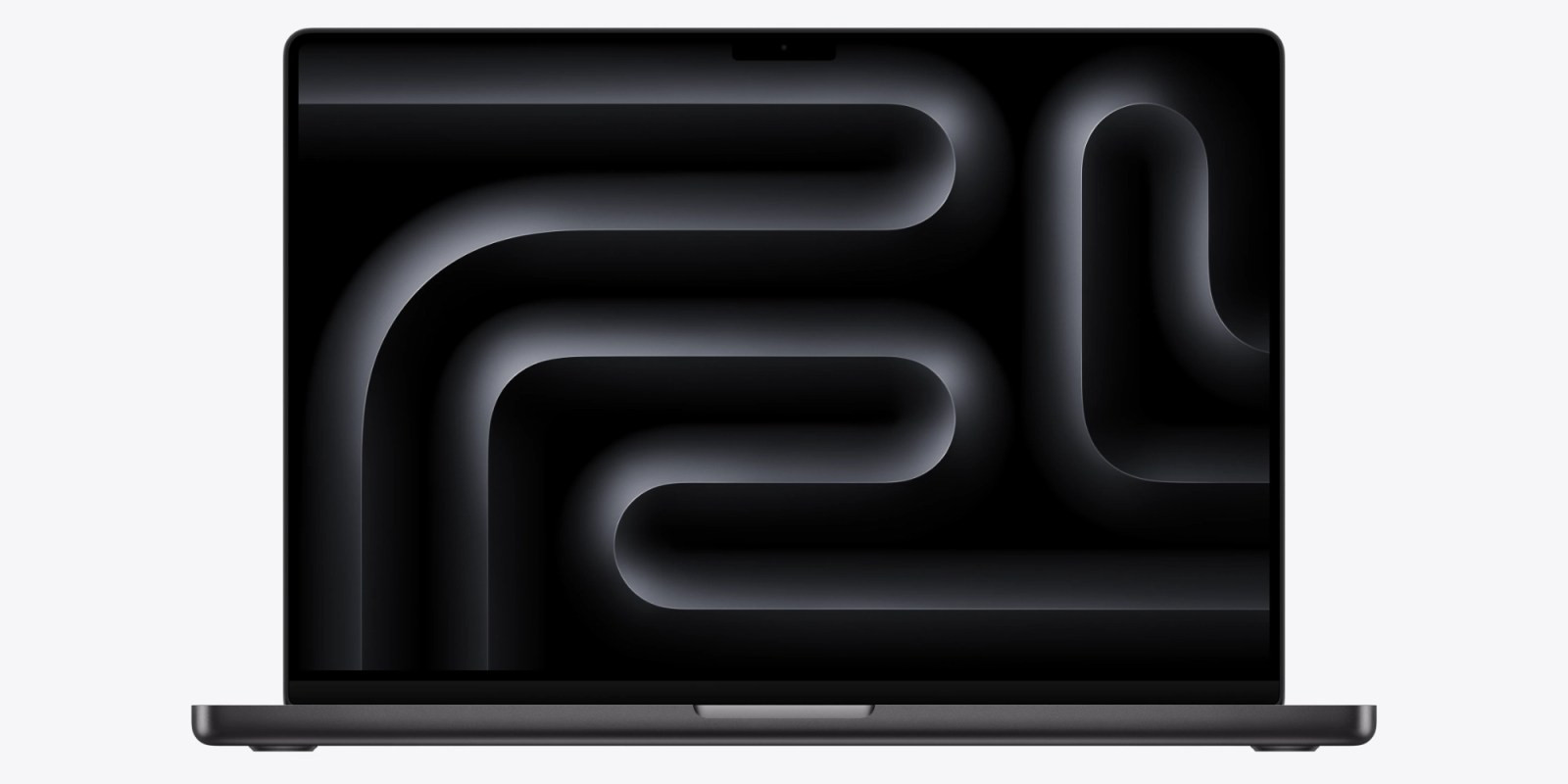
The 140W power adapter included with Apple's new 16-inch MacBook Pro features a subtle design alteration that, unexpectedly, has rendered some existing accessories incompatible, posing a challenge for users.
An Unexpected Detail at the Heart of Charging
The launch of Apple's latest MacBook Pro models always generates excitement, not only for their powerful M3 Pro and M3 Max chips but also for the innovations accompanying these high-end devices. However, a seemingly minor detail in the 140W power adapter included with the 16-inch MacBook Pro has caught the attention of the tech community. This charger, designed to offer fast and efficient charging via the MagSafe 3 port, incorporates a subtle physical design modification that, to many's surprise, has resulted in incompatibility with certain accessories.
While Apple has not issued an official statement detailing the exact nature of this change, evidence suggests it involves a minimal alteration in the dimensions or shape of the MagSafe 3 connector or its surrounding housing. In the world of consumer electronics, where precision is key, even a fraction of a millimeter can make the difference between a perfect fit and an impossible connection. Such adjustments, though imperceptible to the average user, can significantly impact the functionality of third-party products designed with very tight tolerances.
The Impact on Existing Accessory Compatibility
The primary consequence of this design modification is the disruption of compatibility with a range of accessories that MacBook Pro users might have been relying on. This includes, but is not limited to, certain MagSafe 2 to MagSafe 3 adapters, some hubs or docking stations that connect directly to the charging port, or even third-party cables that do not meet the new dimensional specifications. For many users, the investment in quality accessories is substantial, and the inability to use them with a new device can be frustrating and costly.
Apple's accessory ecosystem is vast and diverse, with numerous manufacturers developing innovative products to complement the user experience. When Apple introduces a hardware change, however subtle, these manufacturers must adapt quickly. In this case, accessories that rely on an exact and precise fit with the 140W charger's MagSafe 3 connector are the most affected. This underscores the importance of backward compatibility and clear communication from primary device manufacturers.
Implications for Users and the Future of Accessories
For owners of the new 16-inch MacBook Pro, the recommendation is to carefully check the compatibility of their existing accessories before attempting to connect them to the new charger. If in doubt, it is advisable to consult the accessory manufacturer's specifications or look for alternatives that have been updated to be compatible with Apple's latest design. This might mean the need to purchase new adapters or accessories, representing an unforeseen additional cost.
This incident also serves as a reminder for the accessory industry. The need to keep up with hardware revisions from major manufacturers is crucial. Accessory developers will now need to review their designs and manufacturing processes to ensure their products fit perfectly with the latest iteration of Apple's 140W charger. In the long run, this could lead to a new generation of MagSafe 3 accessories that guarantee full compatibility with the newest MacBook Pro models.
Historical Context and Apple's Hardware Evolution
This is not the first time Apple has introduced changes to its connectors or designs that affect accessory compatibility. Throughout its history, the company has transitioned from the 30-pin connector to Lightning, and from USB-A to USB-C as a standard on many of its devices. While these changes are often justified by technological advancements or design improvements, they always entail a period of transition and adaptation for users and the accessory industry.
In the case of the 140W charger, the reintroduction of MagSafe to MacBook Pros was widely welcomed for its convenience and safety. However, this minor adjustment to the connector's design or its housing demonstrates that even the most subtle evolutions can have unexpected ramifications. It is a testament to Apple's precision engineering and, at the same time, a constant challenge for the accessory ecosystem orbiting its products.
Conclusion: A Small Change, Big Considerations
In summary, the new 140W power adapter for Apple's 16-inch MacBook Pro, despite its power and efficiency, has introduced a compatibility challenge due to a subtle design modification. This change, though minor in appearance, underscores the importance of precision in hardware design and the impact it can have on the vast accessory market. Users should be vigilant about the compatibility of their peripherals, and accessory manufacturers will need to adapt to ensure their products remain relevant in Apple's evolving technological landscape.
Article topics
Related articles

Windows Drops NTLM: Microsoft Boosts Security with Kerberos
Microsoft is taking a crucial step to bolster security in Windows 11, announcing the deprecation of NTLM, its oldest authentication protocol, in favor of Kerberos.
Chrome Bolsters Security with DBSC Against Cookie Theft
Google Chrome has rolled out a new DBSC feature, linking sessions to your hardware to protect accounts from credential theft attacks.

Roku's home screen gets an AI-powered refresh for 2026
Roku is rolling out a significant update to its main interface, promising a more personalized experience with integrated advertising.
Latest news
View all
Stuntman Hollywood: Returns After 19 Years to PS5, Xbox Series, and PC
The iconic action and vehicular stunt franchise makes its comeback courtesy of Saber Interactive, promising a dose of nostalgia and adrenaline for the new generation.
NASA's Maven Mars Orbiter Declared Out of Service After Six Months of Silence
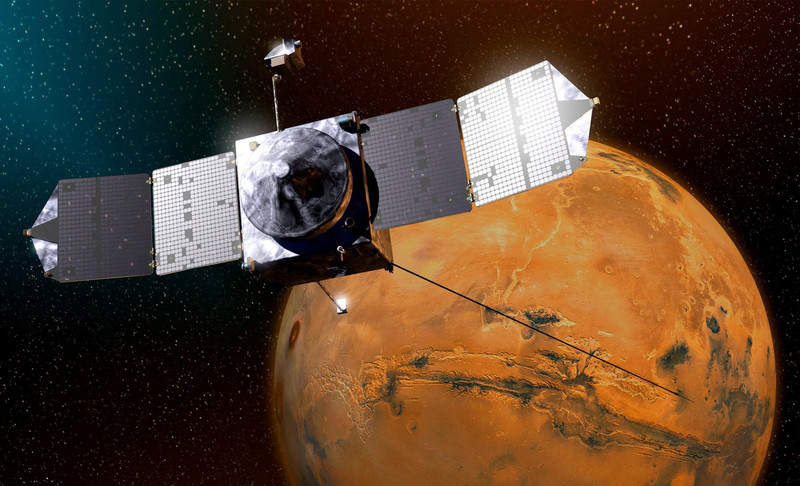
Following an anomaly that disrupted its orbit and depleted its batteries, the Maven spacecraft, vital for understanding Mars' atmosphere, has ended its active mission. Its scientific data remains an invaluable legacy.

NASA Reveals New Path for Earth's Essential Life Elements
A recent study, published in Science Advances, uncovers how early Earth may have received phosphorus and nitrogen, highlighting Jupiter's critical role.
Comments (0)
No comments yet. Be the first!
Leave a comment