
384-Ton Electric Truck Revolutionizes Mining Operations in Zambia
This massive electric dump truck not only operates emission-free but also charges continuously while working, marking a milestone in sector decarbonization.
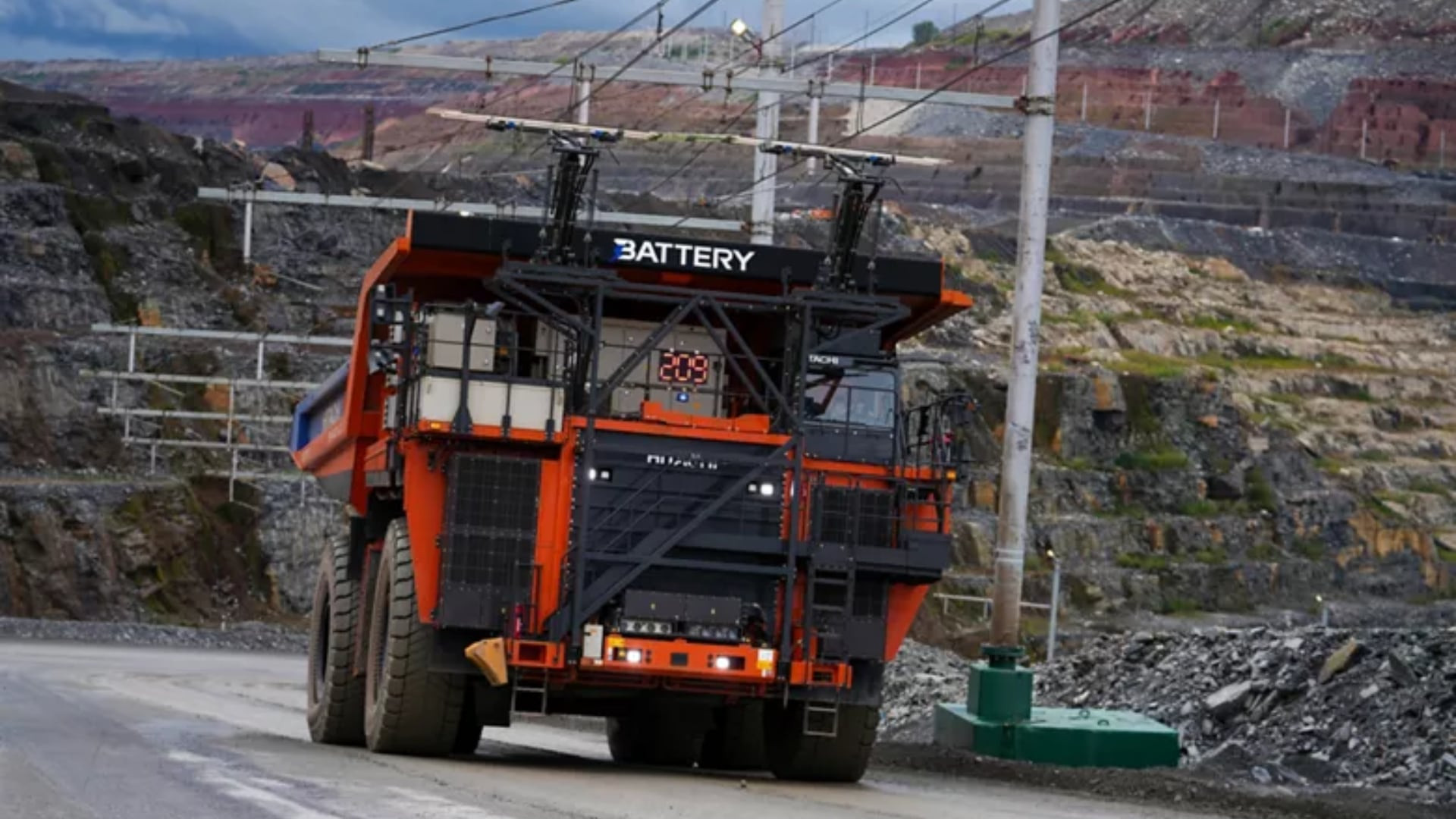
A 384-ton all-electric dump truck was unveiled in Zambia, representing a significant leap forward for the mining industry. This vehicle, a collaboration between Hitachi Construction Machinery and First Quantum Minerals, demonstrated its ability to operate and charge simultaneously at the Kansanshi copper mine. This innovation promises more efficient and sustainable mining, completely eliminating CO₂ emissions from its operations.
The truck's key technology lies in its charging system, which uses overhead trolley lines. This allows the vehicle to run and receive power at the same time, ensuring continuous mining operations. There is no sacrifice in efficiency, load capacity, or maneuverability, which is crucial in such demanding work environments.
This truck operates and charges simultaneously, ensuring continuous operations without sacrificing efficiency or altering its load capacity.
During technological feasibility tests, conducted between June 2024 and August 2025, the truck covered over 4,000 kilometers. It also transported more than 30,000 tons of material, validating its reliability under real-world mining conditions. These results are vital for designing optimized transport plans and routes in future implementations.
One of the most remarkable aspects is the complete absence of CO₂ emissions during its operation. This achievement is possible thanks to Zambia's energy matrix, where approximately 92% of electricity comes from hydroelectric sources. Thus, the truck's environmental impact is truly zero in terms of direct greenhouse gases.
Beyond the environmental benefits, the electric truck offers improved acceleration and significantly reduced noise levels. This not only boosts productivity but also enhances working conditions for operators in the mine. The reduction in noise pollution, coupled with zero emissions, addresses the industry's growing need to adopt more sustainable practices.
This initiative is part of the companies' strategy to move towards greenhouse gas emission neutrality in the mining sector. Gordon White, First Quantum Minerals' Director of Mining Operations and Technology, emphasized the intention to produce lower-carbon copper. This metal is essential for the global energy transition, and its sustainable production is a priority.
The trial in Zambia represents a significant step towards the decarbonization of the mining industry, according to White. The country's trolley infrastructure and renewable energy were key to validating this technology. Commercialization of this innovative electric truck is planned for fiscal year 2027, promising to transform the future of heavy mining.
Article topics
Related articles

Windows Drops NTLM: Microsoft Boosts Security with Kerberos
Microsoft is taking a crucial step to bolster security in Windows 11, announcing the deprecation of NTLM, its oldest authentication protocol, in favor of Kerberos.

Chrome Bolsters Security with DBSC Against Cookie Theft
Google Chrome has rolled out a new DBSC feature, linking sessions to your hardware to protect accounts from credential theft attacks.

Roku's home screen gets an AI-powered refresh for 2026
Roku is rolling out a significant update to its main interface, promising a more personalized experience with integrated advertising.
Latest news
View all
Stuntman Hollywood: Returns After 19 Years to PS5, Xbox Series, and PC
The iconic action and vehicular stunt franchise makes its comeback courtesy of Saber Interactive, promising a dose of nostalgia and adrenaline for the new generation.
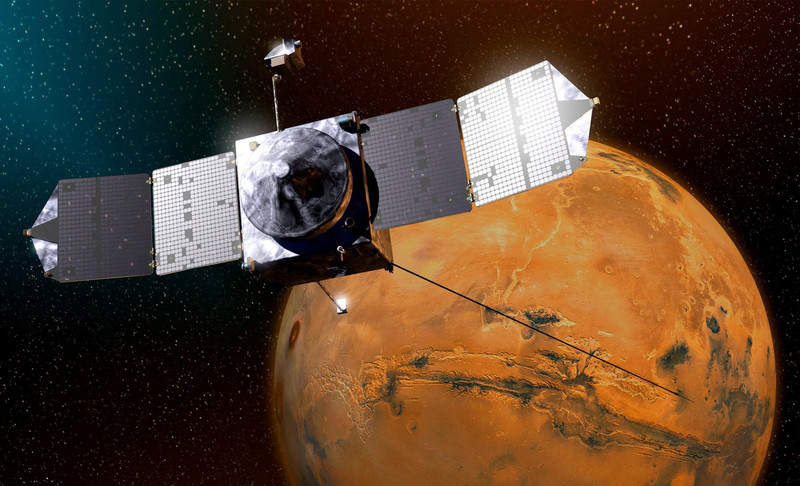
NASA's Maven Mars Orbiter Declared Out of Service After Six Months of Silence
Following an anomaly that disrupted its orbit and depleted its batteries, the Maven spacecraft, vital for understanding Mars' atmosphere, has ended its active mission. Its scientific data remains an invaluable legacy.

NASA Reveals New Path for Earth's Essential Life Elements
A recent study, published in Science Advances, uncovers how early Earth may have received phosphorus and nitrogen, highlighting Jupiter's critical role.
Comments (0)
No comments yet. Be the first!
Leave a comment