
YouTube Premium and YouTube Music Price Hikes: A Detailed Analysis
YouTube Premium and YouTube Music have announced an increase in their monthly fees, impacting both individual and family plans and sparking debate about the value of subscriptions in the current streaming landscape.
In news directly affecting millions of users, YouTube has confirmed a price increase for its premium subscription services. Both YouTube Premium and YouTube Music will see their monthly rates go up, a move that reflects a broader trend in the streaming industry and forces subscribers to re-evaluate the value of their favorite platforms. Specifically, the individual YouTube Premium plan will increase from $13.99 to $15.99 per month, representing a two-dollar hike. Meanwhile, the family plan will experience a more significant jump, rising from $22.99 to $26.99 monthly, a four-dollar increase. These adjustments, which are already beginning to roll out in certain markets, mark a significant shift in the platform's pricing strategy.
What Does YouTube Premium Offer, and Why Pay More?
YouTube Premium is much more than a simple subscription; it's a gateway to an uninterrupted YouTube experience with enhanced functionalities. Its main attractions include the complete removal of ads across all videos, the ability to play content in the background on mobile devices (allowing users to listen to music or podcasts while using other apps), and the option to download videos for offline viewing. Furthermore, a YouTube Premium subscription includes full access to YouTube Music, Google's music streaming service that directly competes with platforms like Spotify and Apple Music, offering a vast catalog of songs, albums, and ad-free playlists. For many, these benefits justify the cost, transforming the content consumption experience on the world's largest video platform.
The Context of the Increases: A Global Trend
The price hike for YouTube Premium and YouTube Music is not an isolated event but rather part of a global trend affecting most streaming services. In recent years, we have witnessed giants like Netflix, Disney+, Max (formerly HBO Max), and Spotify all adjusting their rates upwards. This strategy responds to multiple factors: the rising costs of producing and acquiring high-quality content, continuous investment in new features and technological improvements, and the generalized inflationary pressure impacting all industries. For companies like Google, YouTube's parent company, the pursuit of greater profitability from its subscription services is a priority, especially in an increasingly saturated and competitive market where differentiation and added value are key.
Impact on Subscribers and the Streaming Landscape
Subscriber reactions to these increases are often mixed. While some loyal users will consider that the value of YouTube Premium still justifies the new price, others might begin to re-evaluate their subscription expenses. This phenomenon, known as "subscription fatigue," intensifies as more platforms raise their fees, forcing consumers to choose which services to keep and which to cancel. In an average household, the cumulative cost of multiple streaming subscriptions can become substantial, leading to greater selectivity. For YouTube, the challenge will be to effectively communicate the ongoing value of its premium offering against competitors and justify why its additional benefits warrant the extra outlay.
Looking Towards the Future of Digital Subscriptions
This price adjustment by YouTube is a clear indicator that the era of low-cost streaming services might be drawing to a close. As platforms mature and seek to consolidate their market position, we are likely to see more similar moves. Google's strategy with YouTube Premium aims not only to generate higher revenue but also to encourage users to perceive the service as an investment in a superior digital experience. Ultimately, the success of these increases will depend on YouTube's ability to continue innovating and delivering value that its subscribers deem indispensable, maintaining its relevance in a constantly evolving digital entertainment ecosystem.
Article topics
Related articles

Windows Drops NTLM: Microsoft Boosts Security with Kerberos
Microsoft is taking a crucial step to bolster security in Windows 11, announcing the deprecation of NTLM, its oldest authentication protocol, in favor of Kerberos.
Chrome Bolsters Security with DBSC Against Cookie Theft
Google Chrome has rolled out a new DBSC feature, linking sessions to your hardware to protect accounts from credential theft attacks.
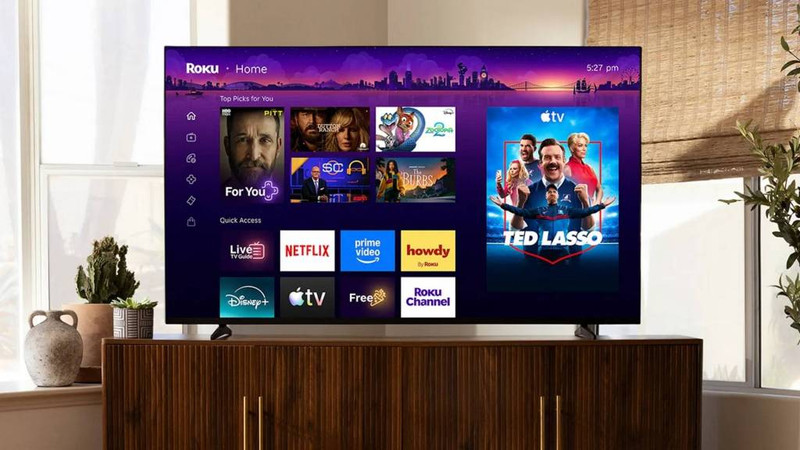
Roku's home screen gets an AI-powered refresh for 2026
Roku is rolling out a significant update to its main interface, promising a more personalized experience with integrated advertising.
Latest news
View all
Stuntman Hollywood: Returns After 19 Years to PS5, Xbox Series, and PC
The iconic action and vehicular stunt franchise makes its comeback courtesy of Saber Interactive, promising a dose of nostalgia and adrenaline for the new generation.

NASA's Maven Mars Orbiter Declared Out of Service After Six Months of Silence
Following an anomaly that disrupted its orbit and depleted its batteries, the Maven spacecraft, vital for understanding Mars' atmosphere, has ended its active mission. Its scientific data remains an invaluable legacy.

NASA Reveals New Path for Earth's Essential Life Elements
A recent study, published in Science Advances, uncovers how early Earth may have received phosphorus and nitrogen, highlighting Jupiter's critical role.
Comments (0)
No comments yet. Be the first!
Leave a comment