
When Will eSIM Replace Physical SIM Cards? The Shift Is Coming
The adoption of eSIM technology is steadily progressing, and industry trends suggest it will replace physical SIMs within the next decade.
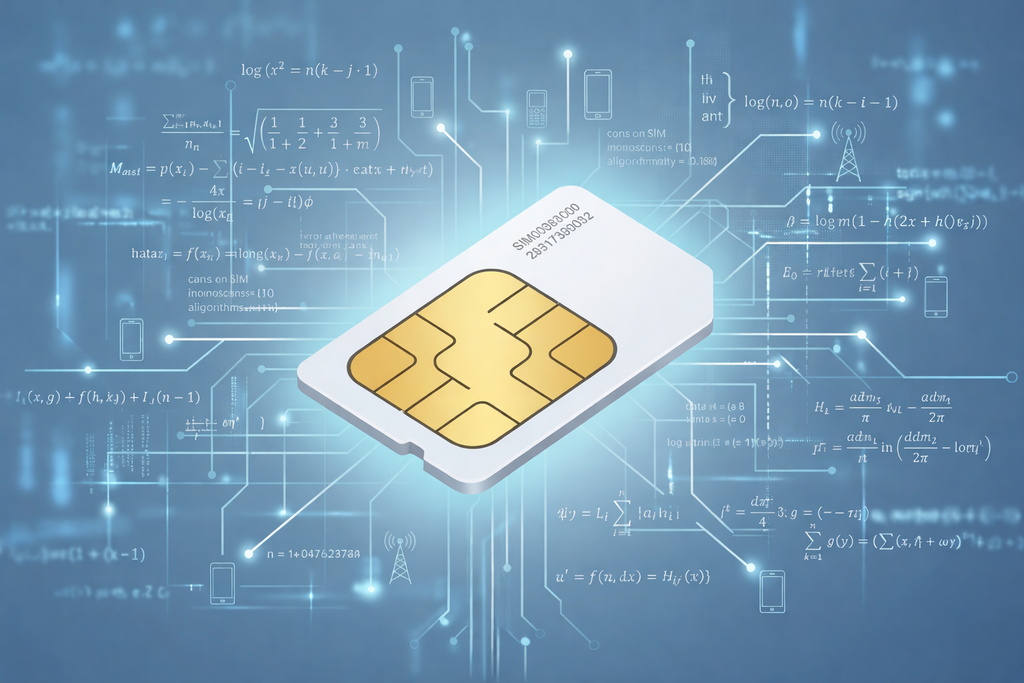
The eSIM technology has been gradually gaining ground in the mobile device market for years. While it still coexists with physical SIM cards, it’s becoming increasingly clear that eSIM will eventually replace them entirely. Industry trends point toward this shift happening in the coming decade.
Since its inception in 1991, SIM cards have evolved from full-sized cards to MiniSIM, MicroSIM, and now NanoSIM, used by most current smartphones. The eSIM, an internal chip that allows data to be downloaded and managed digitally, represents the next evolutionary step. This technology also enables managing data from third-party services like Saily from NordVPN.
Developed over the last decade, eSIM chips have become smaller over time. However, their integration into commercial devices has been slow. The first adopters were smartwatches, such as the Samsung Gear S2 Classic 3G in 2016, followed by compatible smartphones like the Pixel 2 in 2017. Since then, eSIM support has steadily increased across devices.
Today, eSIM is mainly used as a complementary option to physical SIMs. It’s useful for international data plans or for users curious to try the technology. Some devices, like the iPhone 14 in the US, have gone further by removing the physical SIM slot in certain models. Still, in Europe and countries like Spain, adoption remains limited, although support is growing.
The future of eSIM looks promising, with trends indicating it will become the dominant choice for most connected devices. The transition won’t happen overnight, but the industry’s direction is clear, and the shift is inevitable.
Article topics
Related articles

Windows Drops NTLM: Microsoft Boosts Security with Kerberos
Microsoft is taking a crucial step to bolster security in Windows 11, announcing the deprecation of NTLM, its oldest authentication protocol, in favor of Kerberos.
Chrome Bolsters Security with DBSC Against Cookie Theft
Google Chrome has rolled out a new DBSC feature, linking sessions to your hardware to protect accounts from credential theft attacks.

Roku's home screen gets an AI-powered refresh for 2026
Roku is rolling out a significant update to its main interface, promising a more personalized experience with integrated advertising.
Latest news
View all
Stuntman Hollywood: Returns After 19 Years to PS5, Xbox Series, and PC
The iconic action and vehicular stunt franchise makes its comeback courtesy of Saber Interactive, promising a dose of nostalgia and adrenaline for the new generation.
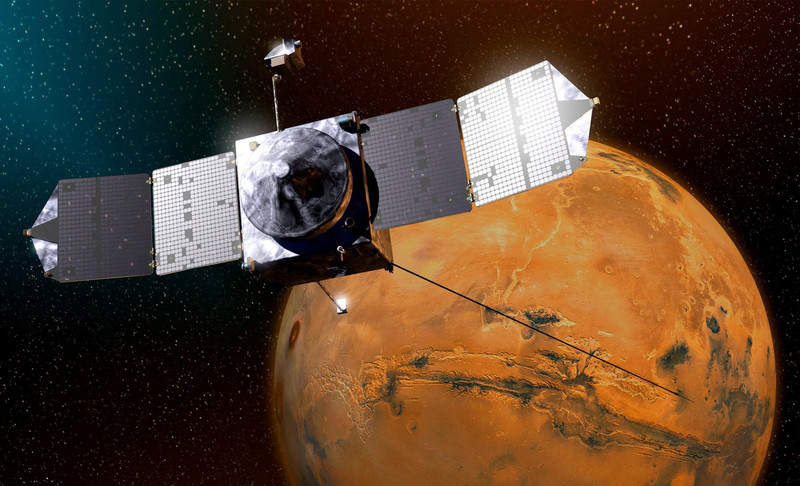
NASA's Maven Mars Orbiter Declared Out of Service After Six Months of Silence
Following an anomaly that disrupted its orbit and depleted its batteries, the Maven spacecraft, vital for understanding Mars' atmosphere, has ended its active mission. Its scientific data remains an invaluable legacy.

NASA Reveals New Path for Earth's Essential Life Elements
A recent study, published in Science Advances, uncovers how early Earth may have received phosphorus and nitrogen, highlighting Jupiter's critical role.
Comments (0)
No comments yet. Be the first!
Leave a comment