
Starlink's 2026 Evolution: A Leap in Global Connectivity
Starlink, SpaceX's satellite internet service, is set for a significant evolution in 2026, promising substantial enhancements in speed, latency, and global coverage, solidifying its role as a vital alternative in worldwide connectivity.

Starlink's 2026 Evolution: A Leap in Global Connectivity
Starlink, the satellite internet service powered by SpaceX and spearheaded by the visionary Elon Musk, has announced a series of pivotal enhancements set to be rolled out starting in 2026. These updates are engineered to revolutionize the connectivity experience, targeting a remarkable increase in connection speed, a significant reduction in latency, and an unprecedented expansion of its global coverage. This ambitious expansion plan arrives at a crucial juncture, where the digital divide persists, and connectivity remains a luxury or a limitation in vast regions of the planet. With these innovations, Starlink not only aims to optimize its current service but also to reaffirm its position as a robust and efficient alternative to traditional internet providers, especially in locations where terrestrial infrastructure is inadequate or non-existent.
The New Generation of Satellites: The Engine of Improvement
The central pillar of this technological evolution lies in the massive deployment of new second-generation satellites. These advanced devices, engineered with superior capabilities, are key to dramatically optimizing Starlink's network performance. Their integration will enable the provision of a more stable and robust internet connection, a critical factor for users located in rural or hard-to-reach areas, where connection reliability is often a significant challenge. SpaceX's strategy with these new satellites is not solely focused on enhancing the experience for Starlink's millions of current users; it also seeks to open doors to new markets and attract potential customers in regions where terrestrial internet infrastructure simply cannot meet the growing demand for high-quality connectivity.
Speed and Latency: A Transformed User Experience
One of the most anticipated and impactful changes for users is the substantial increase in connection speed. The new generation of satellites is designed to significantly improve both download and upload data rates. This advancement will have a direct and positive impact on a multitude of daily activities that require considerable bandwidth, such as streaming high-definition content, conducting smooth and uninterrupted video calls, or participating in online gaming with near-instantaneous response times. Concurrently, a crucial reduction in latency will be achieved, a fundamental parameter for services demanding real-time interaction. By decreasing the response time between the user's device and the satellite network, Starlink ensures a more agile and efficient experience, essential for critical applications and for seamless web browsing without perceptible delays.
Unprecedented Stability and Reach
Beyond speed and low latency, the 2026 enhancements will also translate into greater service stability. Thanks to the incorporation of more advanced technology in the satellites and a significantly increased number of units in orbit, Starlink will be able to drastically reduce service interruptions, offering a much more consistent and reliable connection. This aspect is of vital importance in areas where internet access is often irregular, prone to outages, or dependent on limited and vulnerable terrestrial infrastructures. Starlink's primary objective remains the same: to bring high-quality connectivity to places where traditional internet does not reach, or does so with significant difficulties. This encompasses extensive rural areas, geographically isolated regions, and zones with scarce or non-existent fiber optic infrastructure, positioning Starlink as an indispensable solution that does not rely on terrestrial networks, thereby democratizing internet access in locations that were previously virtually disconnected.
How Starlink Works: Breaking Geographical Barriers
Starlink's innovative system is founded on a vast constellation of satellites operating in Low Earth Orbit (LEO), at a considerably lower altitude than traditional geostationary satellites. This configuration is key, as it allows satellites to communicate efficiently with each other and with ground stations, minimizing the distance data must travel. This distinctive characteristic directly translates into significantly lower latency and superior performance compared to previous generations of satellite systems. To access this service, users require a specific antenna, designed to establish a direct and efficient connection with the orbiting satellites, enabling them to enjoy high-speed internet from virtually any geographical point, overcoming the limitations imposed by geography and terrestrial infrastructure.
Challenges and Potential Impact
Despite the promising improvements and continuous expansion, Starlink's growth is not without its challenges. One of the primary obstacles facing the service is the associated cost, both for the initial installation kit and the monthly subscription. These prices, when compared to some terrestrial internet options available in more developed markets, can be high for certain segments of the population or in emerging economies. This economic barrier may limit the widespread adoption of the service in some regions, despite the critical need for connectivity. However, the technological evolution and constant improvement in performance, especially in remote areas, underscore Starlink's transformative potential to bridge the digital divide and empower communities that have historically been on the fringes of the information age, consolidating its role as a key player in the global democratization of internet access.
Related articles

Windows Drops NTLM: Microsoft Boosts Security with Kerberos
Microsoft is taking a crucial step to bolster security in Windows 11, announcing the deprecation of NTLM, its oldest authentication protocol, in favor of Kerberos.

Chrome Bolsters Security with DBSC Against Cookie Theft
Google Chrome has rolled out a new DBSC feature, linking sessions to your hardware to protect accounts from credential theft attacks.
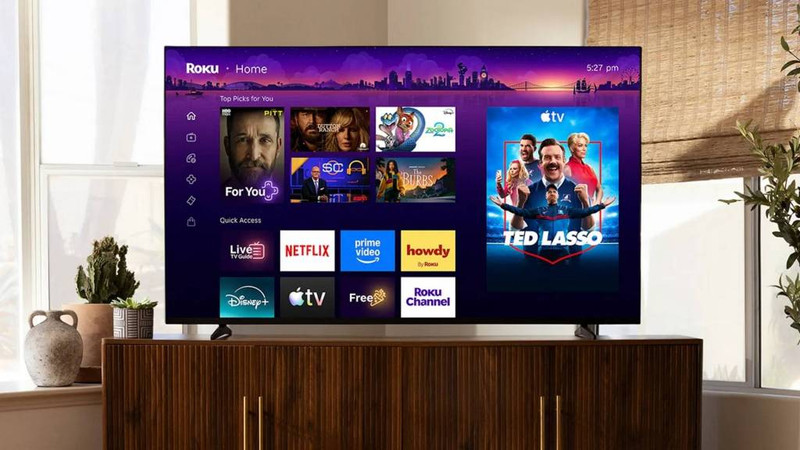
Roku's home screen gets an AI-powered refresh for 2026
Roku is rolling out a significant update to its main interface, promising a more personalized experience with integrated advertising.
Latest news
View all
Stuntman Hollywood: Returns After 19 Years to PS5, Xbox Series, and PC
The iconic action and vehicular stunt franchise makes its comeback courtesy of Saber Interactive, promising a dose of nostalgia and adrenaline for the new generation.
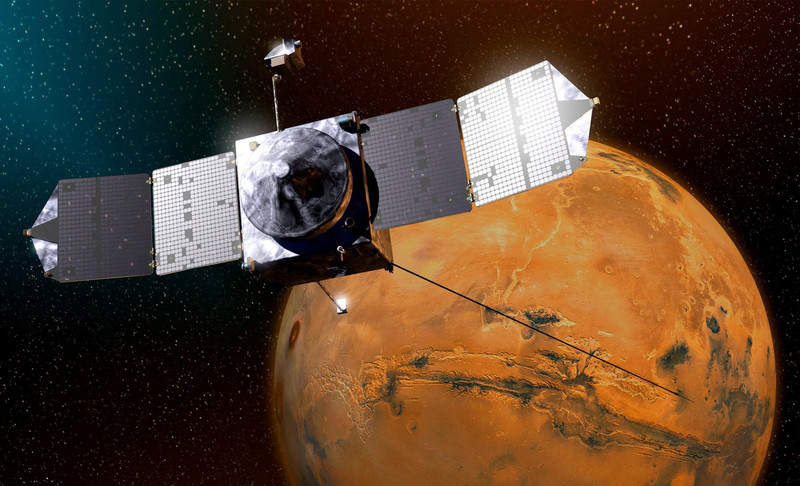
NASA's Maven Mars Orbiter Declared Out of Service After Six Months of Silence
Following an anomaly that disrupted its orbit and depleted its batteries, the Maven spacecraft, vital for understanding Mars' atmosphere, has ended its active mission. Its scientific data remains an invaluable legacy.

NASA Reveals New Path for Earth's Essential Life Elements
A recent study, published in Science Advances, uncovers how early Earth may have received phosphorus and nitrogen, highlighting Jupiter's critical role.
Comments (0)
No comments yet. Be the first!
Leave a comment