
Mozilla Unveils "Thunderbolt": An Open-Source, Self-Hostable AI Client
Mozilla deepens its commitment to artificial intelligence with the introduction of "Thunderbolt". This new client prioritizes user privacy and control.
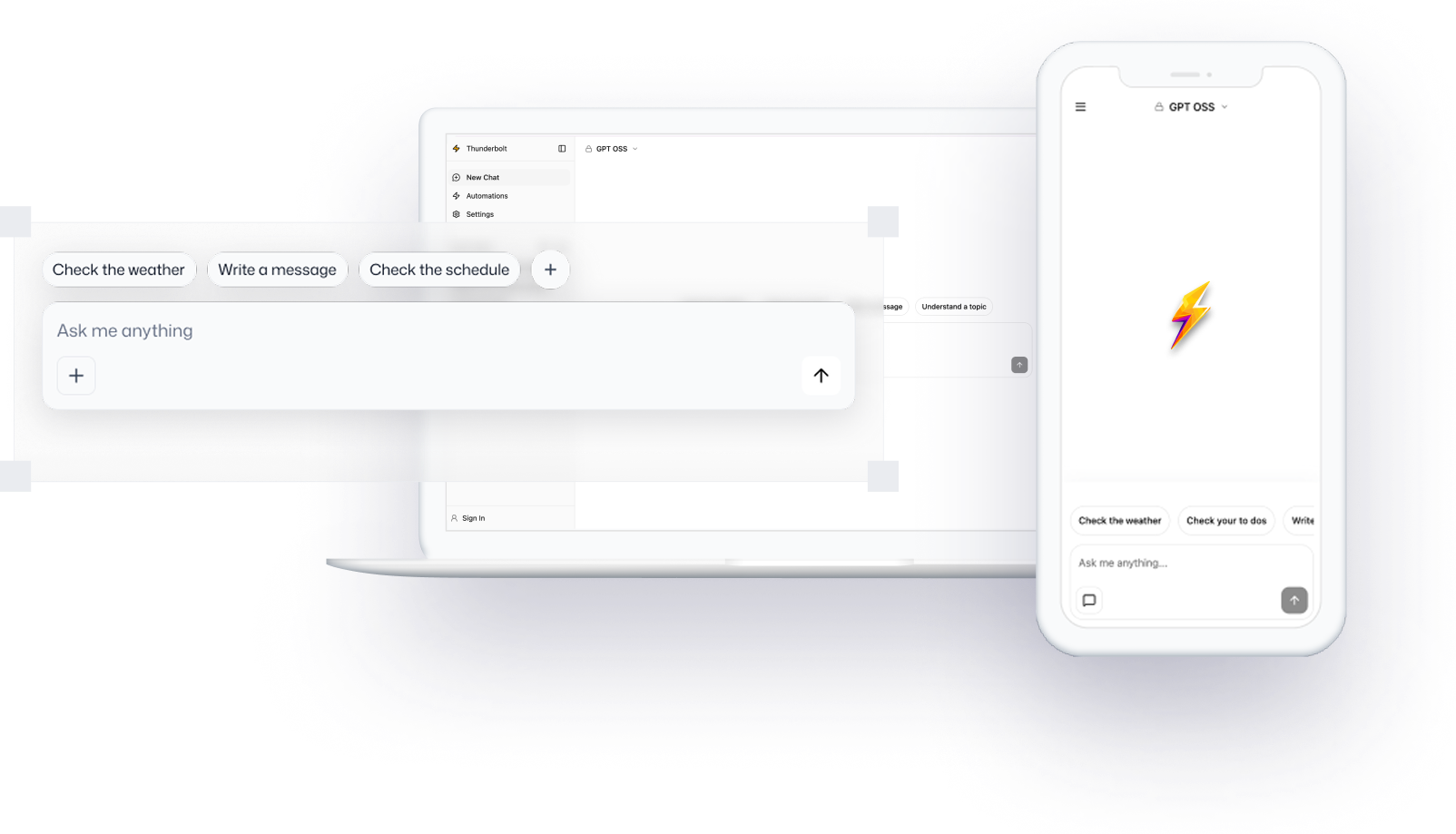
Mozilla recently announced the launch of "Thunderbolt," their innovative artificial intelligence client. This tool is both open-source and completely self-hostable. The initiative marks a significant step in the organization's approach to AI. It reinforces their commitment to user privacy and control.
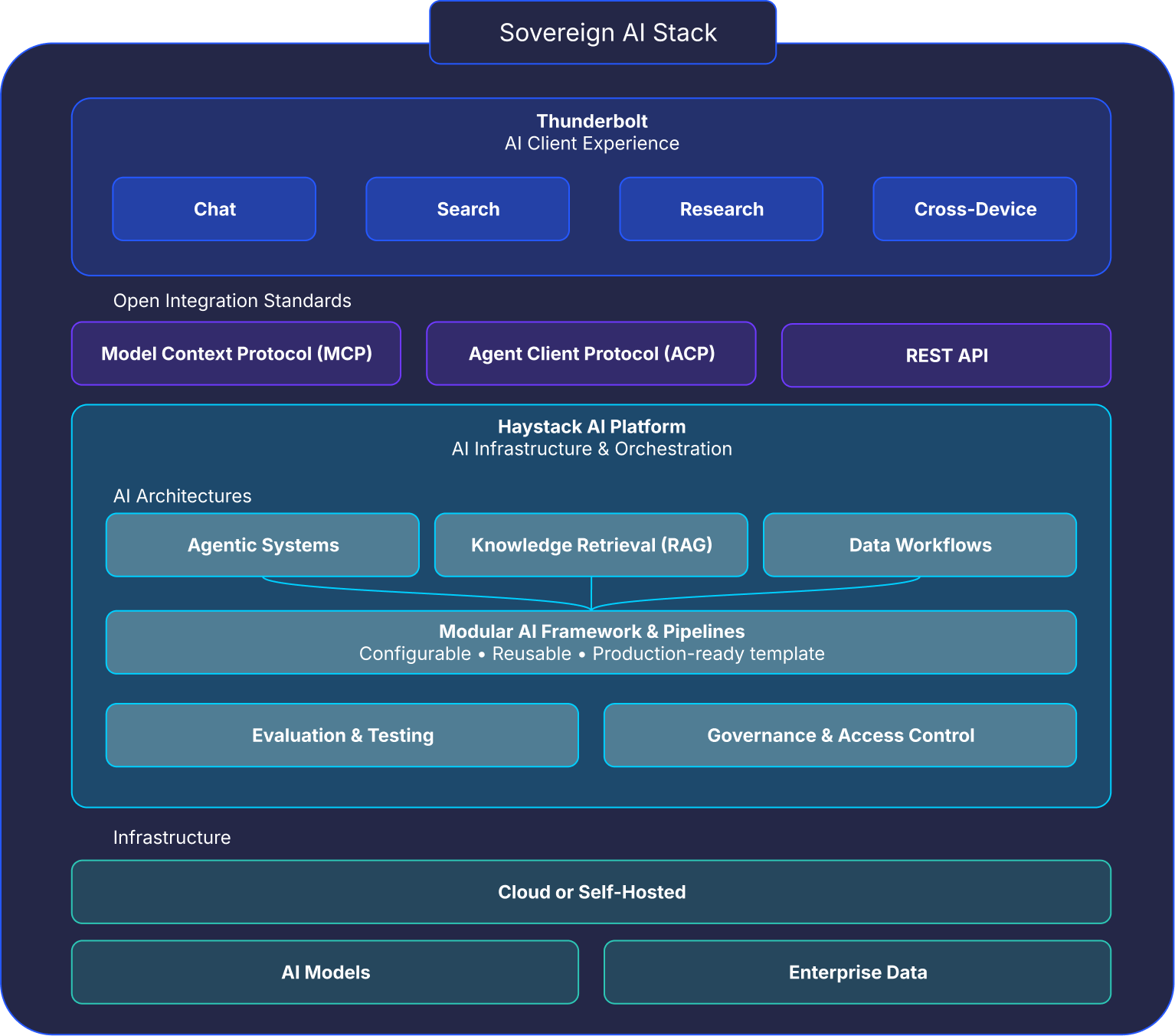
Mozilla's engagement with artificial intelligence is not a new venture. The organization consistently seeks alternatives that prioritize user freedom and autonomy. "Thunderbolt" empowers the audience to run AI models directly on their devices. This eliminates reliance on external cloud services.
It underscores a strong commitment to user privacy and control.
What does it mean to be "open-source"? It implies that "Thunderbolt's" source code is publicly available. Anyone can review, audit, modify, and contribute to its improvement. The "self-hostable" feature grants you complete control. You can install it on your own server or personal device.
This combination of features offers clear advantages. Primarily, it ensures greater privacy and security for your data. Your sensitive information remains within your controlled environment. It also encourages extensive experimentation and customization. The community can tailor the tool to their specific needs.
Mozilla thus continues its mission to build a more open and decentralized internet. "Thunderbolt" aligns perfectly with this foundational vision. It is a powerful tool that promises to empower the audience. It provides advanced technology with an ethical focus.
We are incredibly excited to witness how "Thunderbolt" evolves in the hands of the community! This launch marks an important milestone in AI development. Mozilla invites everyone to explore new possibilities. Get ready to try it and join the artificial intelligence revolution!
Article topics
Related articles

Windows Drops NTLM: Microsoft Boosts Security with Kerberos
Microsoft is taking a crucial step to bolster security in Windows 11, announcing the deprecation of NTLM, its oldest authentication protocol, in favor of Kerberos.
Chrome Bolsters Security with DBSC Against Cookie Theft
Google Chrome has rolled out a new DBSC feature, linking sessions to your hardware to protect accounts from credential theft attacks.

Roku's home screen gets an AI-powered refresh for 2026
Roku is rolling out a significant update to its main interface, promising a more personalized experience with integrated advertising.
Latest news
View all
Stuntman Hollywood: Returns After 19 Years to PS5, Xbox Series, and PC
The iconic action and vehicular stunt franchise makes its comeback courtesy of Saber Interactive, promising a dose of nostalgia and adrenaline for the new generation.

NASA's Maven Mars Orbiter Declared Out of Service After Six Months of Silence
Following an anomaly that disrupted its orbit and depleted its batteries, the Maven spacecraft, vital for understanding Mars' atmosphere, has ended its active mission. Its scientific data remains an invaluable legacy.

NASA Reveals New Path for Earth's Essential Life Elements
A recent study, published in Science Advances, uncovers how early Earth may have received phosphorus and nitrogen, highlighting Jupiter's critical role.
Comments (0)
No comments yet. Be the first!
Leave a comment