
Microsoft's Kenya Data Center Plan Hit by Power and Financial Issues
In 2024, Microsoft announced plans to build a massive data center in Olkaria, Kenya, powered by geothermal energy. However, the project faced hurdles due to energy and financial disagreements.
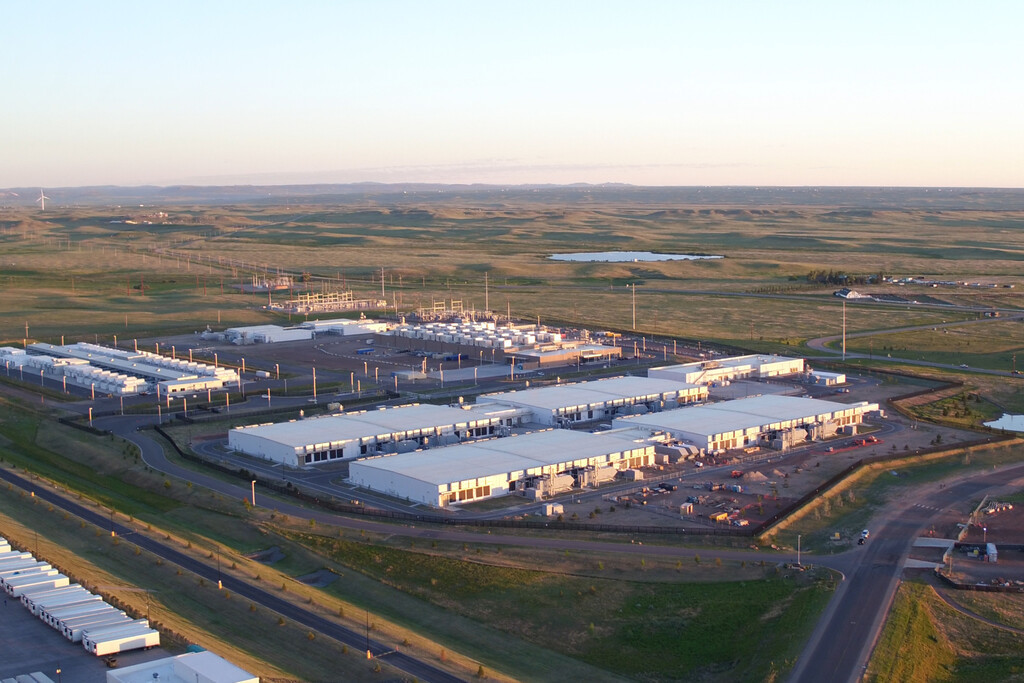
In May 2024, Microsoft revealed its intention to develop a billion-dollar data center in Olkaria, Kenya, aiming to harness the country's geothermal energy. The project was set to cost 1.5 billion dollars and was seen as a major step in expanding Microsoft's infrastructure in Africa. However, the Kenyan president, William Ruto, quickly responded that supplying the requested 1 GW of power would require shutting down half of the country's grid.
Kenya's installed capacity ranges between 3 and 3.2 GW, with peak demands reaching 2.44 GW. The proposed data center would consume roughly a third of the nation's total energy. Even the initial phase of 100 MW posed a significant challenge for Olkaria's geothermal complex, which produces about 950 MW overall. Local authorities and communities argued that sacrificing energy resources for a foreign company's benefit was unjustifiable.
"To supply the full 1 GW, Kenya would have to shut down half of its power grid."
Beyond energy issues, negotiations stalled over financial terms. Microsoft and G42, an Abu Dhabi-based investment firm, asked the Kenyan government for an annual capacity payment, a demand that was met with resistance. Kenian officials, like Minister of Information John Tanui, stated that the project remains under negotiation and requires restructuring to address both energy and economic concerns.
This initiative was not only technological but also diplomatic. It was part of a 1.5 billion dollar deal between Microsoft and G42, intended to counter potential alliances between Africa and China. G42, which had to divest Chinese assets and remove Huawei equipment, continues expanding in the region, while infrastructure limitations and power shortages hinder Microsoft's plans in Kenya and elsewhere.
Microsoft's global investment in data centers for 2026 exceeds 190 billion dollars, but nearly half of planned U.S. projects have been delayed or canceled due to power infrastructure shortages. Kenya's case exemplifies the challenges faced by tech giants in regions with limited energy capacity and economic constraints, highlighting that much work remains before these projects can fully materialize.
Article topics
Related articles

Windows Drops NTLM: Microsoft Boosts Security with Kerberos
Microsoft is taking a crucial step to bolster security in Windows 11, announcing the deprecation of NTLM, its oldest authentication protocol, in favor of Kerberos.

Chrome Bolsters Security with DBSC Against Cookie Theft
Google Chrome has rolled out a new DBSC feature, linking sessions to your hardware to protect accounts from credential theft attacks.

Roku's home screen gets an AI-powered refresh for 2026
Roku is rolling out a significant update to its main interface, promising a more personalized experience with integrated advertising.
Latest news
View all
Stuntman Hollywood: Returns After 19 Years to PS5, Xbox Series, and PC
The iconic action and vehicular stunt franchise makes its comeback courtesy of Saber Interactive, promising a dose of nostalgia and adrenaline for the new generation.
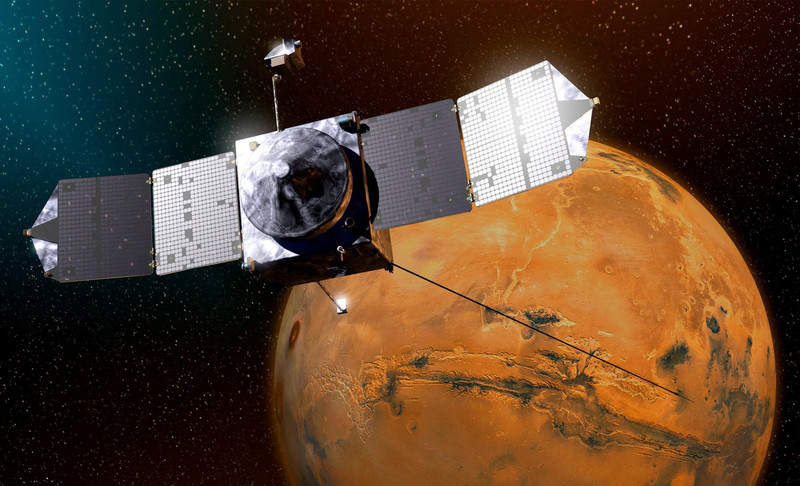
NASA's Maven Mars Orbiter Declared Out of Service After Six Months of Silence
Following an anomaly that disrupted its orbit and depleted its batteries, the Maven spacecraft, vital for understanding Mars' atmosphere, has ended its active mission. Its scientific data remains an invaluable legacy.

NASA Reveals New Path for Earth's Essential Life Elements
A recent study, published in Science Advances, uncovers how early Earth may have received phosphorus and nitrogen, highlighting Jupiter's critical role.
Comments (0)
No comments yet. Be the first!
Leave a comment