
Meta Quest 3 and 3S Prices Increase Due to Global RAM Scarcity
Meta is adjusting the cost of its Quest 3 and 3S virtual reality headsets starting April 19. This move is a direct response to the rising prices of RAM memory chips, a critical component in high-performance hardware manufacturing.
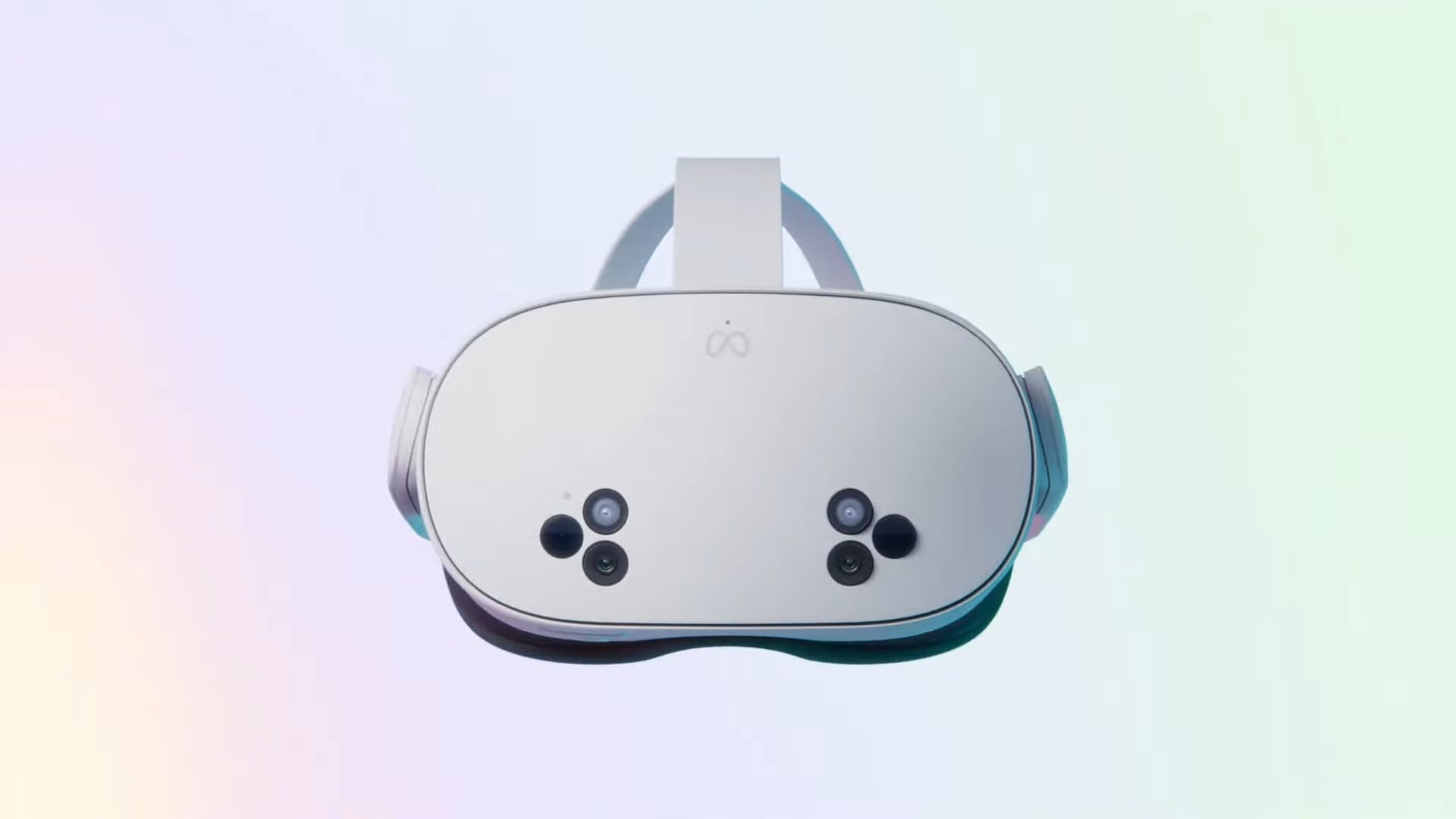
Meta announced a price adjustment for its popular Meta Quest 3 and Meta Quest 3S virtual reality headsets. This change, effective April 19, directly responds to the global scarcity and increased cost of RAM memory chips. The decision aims to maintain the quality and performance of these devices, which are essential for immersive experiences.
The new prices will impact the latest models in the Quest lineup. The Meta Quest 3S 128 GB version will increase by $50, reaching $349.99. Its larger sibling, the Meta Quest 3S 256 GB, will also see a $50 increase, bringing its value to $449.99. Meanwhile, the powerful Meta Quest 3 will experience a $100 hike, setting its new price at $599.99.
The company explained this increase is a direct consequence of the sustained rise in manufacturing costs for high-performance hardware. Key components like RAM memory are fundamental for the headsets' operation. Global demand for these chips has grown exponentially, affecting multiple segments of consumer electronics.
RAM memory is crucial for ensuring fluidity and low latency in virtual reality experiences. It enables intensive graphical processing and seamless immersion. Meta stated that to continue offering the level of hardware, software, and support the community expects, it was necessary to pass on part of this increase to the final price. Notably, this measure will also apply to refurbished units, although accessories will retain their current prices.
The global scarcity of RAM memory chips has driven a price adjustment for Meta Quest 3 and 3S headsets to maintain quality and performance.
This situation is not exclusive to Meta; it reflects a broader trend across the entire tech industry. Major companies like Samsung, Microsoft, and Sony have also had to adjust the prices of their devices. Chip demand continues to rise, driven by sectors such as artificial intelligence, data centers, and consumer electronics.
The challenge for Meta and virtual reality is significant. The technology seeks to consolidate in the mass market, and Quest devices have been key to democratizing access to these experiences. Despite the increases, the company reaffirms its commitment to innovation and the development of the virtual reality ecosystem.
Article topics
Related articles

Windows Drops NTLM: Microsoft Boosts Security with Kerberos
Microsoft is taking a crucial step to bolster security in Windows 11, announcing the deprecation of NTLM, its oldest authentication protocol, in favor of Kerberos.

Chrome Bolsters Security with DBSC Against Cookie Theft
Google Chrome has rolled out a new DBSC feature, linking sessions to your hardware to protect accounts from credential theft attacks.

Roku's home screen gets an AI-powered refresh for 2026
Roku is rolling out a significant update to its main interface, promising a more personalized experience with integrated advertising.
Latest news
View all
Stuntman Hollywood: Returns After 19 Years to PS5, Xbox Series, and PC
The iconic action and vehicular stunt franchise makes its comeback courtesy of Saber Interactive, promising a dose of nostalgia and adrenaline for the new generation.

NASA's Maven Mars Orbiter Declared Out of Service After Six Months of Silence
Following an anomaly that disrupted its orbit and depleted its batteries, the Maven spacecraft, vital for understanding Mars' atmosphere, has ended its active mission. Its scientific data remains an invaluable legacy.

NASA Reveals New Path for Earth's Essential Life Elements
A recent study, published in Science Advances, uncovers how early Earth may have received phosphorus and nitrogen, highlighting Jupiter's critical role.
Comments (0)
No comments yet. Be the first!
Leave a comment