
Japan's Bullet Train Revolution: 5G Windows and Headphone-Free Noise Cancellation
JR Central, operator of Japan's Tokaido Shinkansen, announced significant upgrades for its trains. New premium suites will feature integrated 5G connectivity in windows and advanced acoustic isolation.
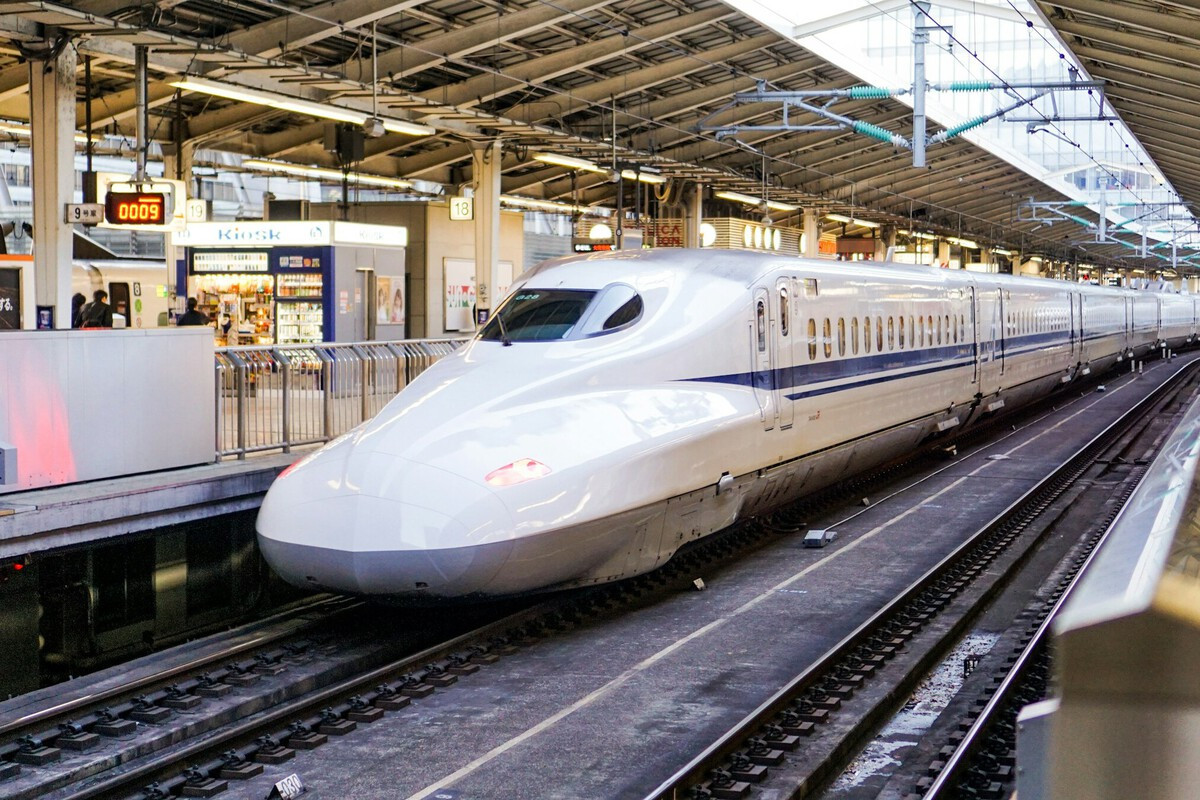
JR Central, the operator of Japan's Tokaido Shinkansen, announced significant upgrades for its bullet trains. Future premium suites will feature windows with integrated 5G antennas and active environmental noise cancellation. These enhancements aim to transform the journey into a private office or relaxation space. This move positions the train as a superior alternative to air travel for the business segment.
High-speed rail now focuses beyond just speed, prioritizing productivity and comfort. Japan, a pioneer with the Shinkansen in 1964, seeks to regain its leadership through deep digitalization. This initiative is crucial for delivering an uninterrupted travel experience and maximum comfort.
One key innovation involves integrating 5G antennas directly into the window glass. Japanese company AGC developed this technology. It weaves conductive microfibers into the glass, forming an antenna connected to the onboard Wi-Fi router. This design ensures a direct line of sight with external base stations, providing a more stable and intense signal. Conventional systems often bounce the 5G signal inside the train, which can degrade connectivity.
Another enhancement is the active environmental noise cancellation system, called "Personalized Sound Zone" (PSZ), developed by NTT. It operates similarly to noise-cancelling headphones. The system detects ambient sound waves and projects an inverted wave to neutralize them. The main difference is that it does not require covering the ears. It uses a combination of microphones, speakers, and spatially optimized low-latency processing.
Integrating antennas into the windows offers an elegant and scalable solution, addressing this Achilles' heel of high-speed train connectivity worldwide.
These innovations are vital due to a common technical challenge. Bullet trains, reaching speeds up to 285 km/h, pass mobile network base stations very quickly. This rapid movement often forces the train to constantly reconnect to new radios, a phenomenon known as "handover." Handover degrades internet connection quality. Integrating antennas into the windows offers an elegant and scalable solution, addressing this Achilles' heel of high-speed train connectivity worldwide.
For the premium segment, robust connectivity and headphone-free acoustic isolation position the Shinkansen as a direct competitor to airline business class on domestic routes. JR Central confirmed these new suites will cost more than "Green Car" tickets, the current first class. "Green Car" seats already cost 40% more than a standard unreserved ticket. For instance, a Tokyo to Kyoto trip (2 hours and 15 minutes) costs approximately €71 for standard and €100 for "Green Car."
Article topics
Related articles

Windows Drops NTLM: Microsoft Boosts Security with Kerberos
Microsoft is taking a crucial step to bolster security in Windows 11, announcing the deprecation of NTLM, its oldest authentication protocol, in favor of Kerberos.

Chrome Bolsters Security with DBSC Against Cookie Theft
Google Chrome has rolled out a new DBSC feature, linking sessions to your hardware to protect accounts from credential theft attacks.

Roku's home screen gets an AI-powered refresh for 2026
Roku is rolling out a significant update to its main interface, promising a more personalized experience with integrated advertising.
Latest news
View all
Stuntman Hollywood: Returns After 19 Years to PS5, Xbox Series, and PC
The iconic action and vehicular stunt franchise makes its comeback courtesy of Saber Interactive, promising a dose of nostalgia and adrenaline for the new generation.
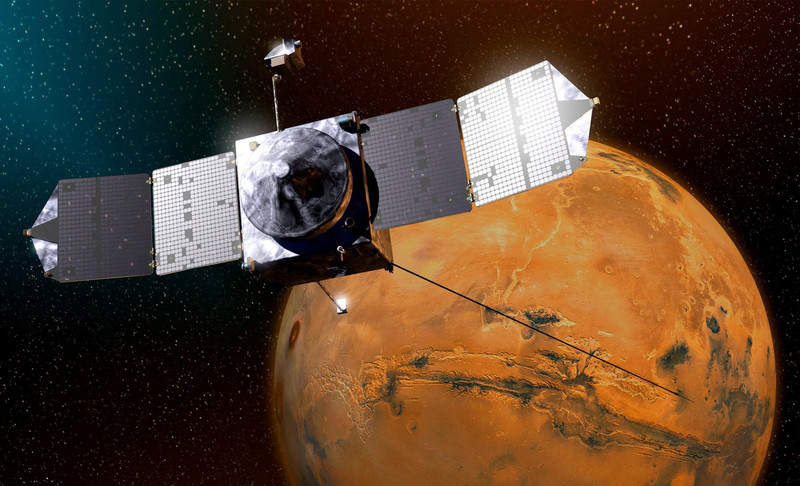
NASA's Maven Mars Orbiter Declared Out of Service After Six Months of Silence
Following an anomaly that disrupted its orbit and depleted its batteries, the Maven spacecraft, vital for understanding Mars' atmosphere, has ended its active mission. Its scientific data remains an invaluable legacy.

NASA Reveals New Path for Earth's Essential Life Elements
A recent study, published in Science Advances, uncovers how early Earth may have received phosphorus and nitrogen, highlighting Jupiter's critical role.
Comments (0)
No comments yet. Be the first!
Leave a comment