
Google unveils Googlebook, AI-powered notebooks with Gemini to rival Macbook Neo
Google officially announced Googlebook, its new line of notebooks powered by Gemini, blending Android and Chrome OS with AI features.
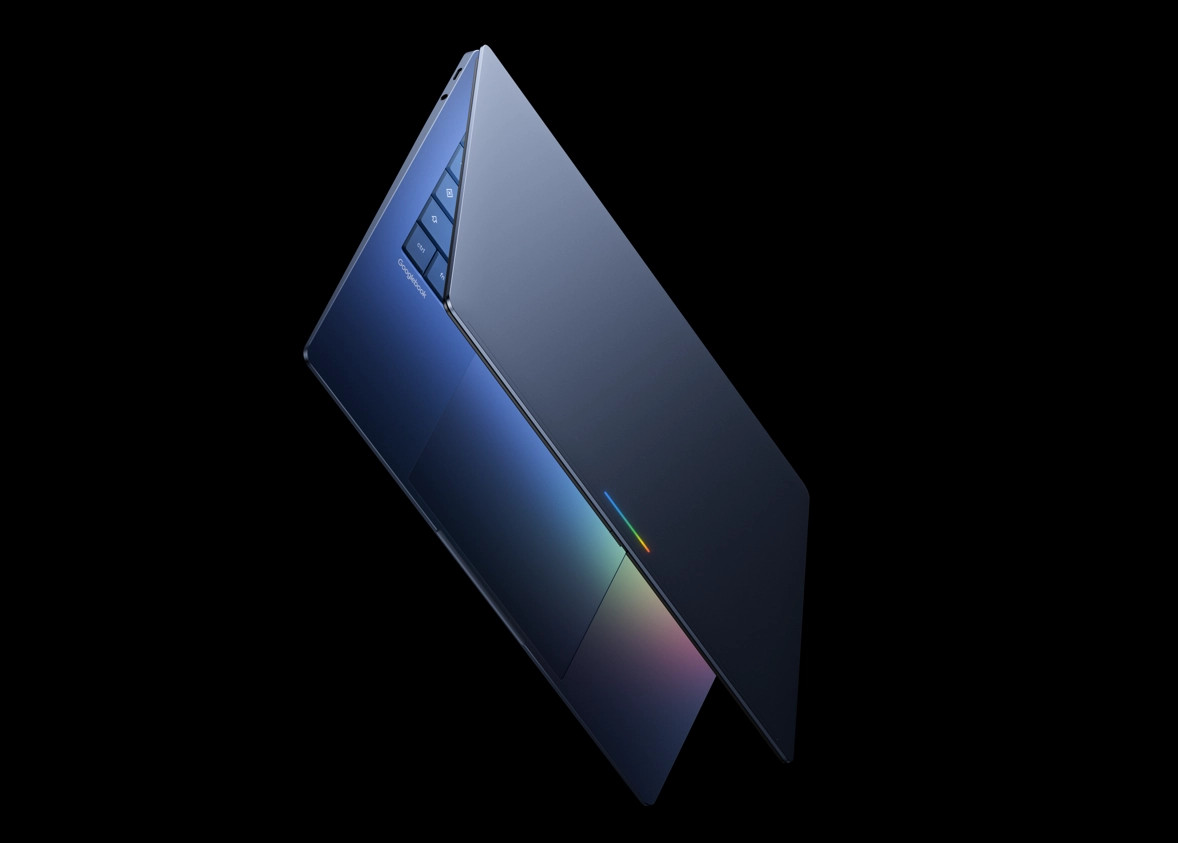
Google revealed a preview of Googlebook, its new line of notebooks aiming to replace traditional Chromebooks. These devices combine Android and Chrome OS into an AI-focused experience, with a still-unnamed hybrid operating system.
During the Android Show ahead of Google I/O, the company confirmed that Googlebook will be a new category of devices designed from scratch for its Gemini chip. The goal is to evolve from cloud-centric systems to an “intelligence system” that deeply integrates Android and Chrome OS functionalities.
Googlebook will run on a system that blends Android and Chrome OS technologies, allowing app installation from Google Play and seamless phone-to-laptop integration.
One of the standout features is Quick Access, enabling users to access phone files without manual transfers. The interface resembles Chrome OS but with Android’s technological foundation, making switching between devices and running phone apps on the laptop effortless.
Artificial intelligence is a core pillar of Googlebook. Google introduced Magic Pointer, a tool developed with Google DeepMind that embeds Gemini into the cursor, offering contextual suggestions and quick actions with a simple move or shake of the pointer.
They also launched Create your Widget, a feature to generate custom widgets via prompts, which can connect with Gmail and Calendar to display relevant info automatically.
Google confirmed that the first Googlebook models will be manufactured by Lenovo, HP, ASUS, Acer, and Dell. These premium devices will feature high-quality materials and distinctive details like the Glowbar, a luminous strip on the lid serving as a visual signature of the line.
For now, Google has not announced technical specifications, prices, or an exact release date, but expects to reveal more in the coming months. The initial devices are expected to launch in the fall in the northern hemisphere.

Article topics
Related articles

Windows Drops NTLM: Microsoft Boosts Security with Kerberos
Microsoft is taking a crucial step to bolster security in Windows 11, announcing the deprecation of NTLM, its oldest authentication protocol, in favor of Kerberos.
Chrome Bolsters Security with DBSC Against Cookie Theft
Google Chrome has rolled out a new DBSC feature, linking sessions to your hardware to protect accounts from credential theft attacks.

Roku's home screen gets an AI-powered refresh for 2026
Roku is rolling out a significant update to its main interface, promising a more personalized experience with integrated advertising.
Latest news
View all
Stuntman Hollywood: Returns After 19 Years to PS5, Xbox Series, and PC
The iconic action and vehicular stunt franchise makes its comeback courtesy of Saber Interactive, promising a dose of nostalgia and adrenaline for the new generation.
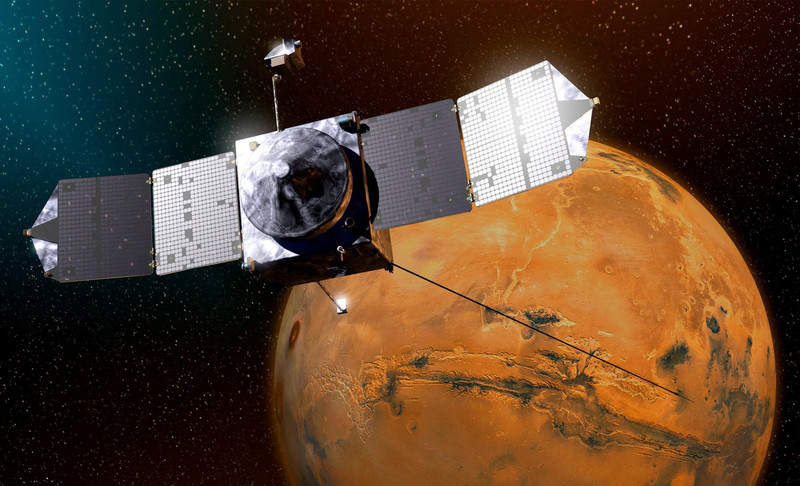
NASA's Maven Mars Orbiter Declared Out of Service After Six Months of Silence
Following an anomaly that disrupted its orbit and depleted its batteries, the Maven spacecraft, vital for understanding Mars' atmosphere, has ended its active mission. Its scientific data remains an invaluable legacy.

NASA Reveals New Path for Earth's Essential Life Elements
A recent study, published in Science Advances, uncovers how early Earth may have received phosphorus and nitrogen, highlighting Jupiter's critical role.
Comments (0)
No comments yet. Be the first!
Leave a comment