
Google Pixel's Dominance: An Inevitable Future of Android Update Exclusivity?
The Google Pixel is solidifying its position as a benchmark in the smartphone market, driving a new era of software-hardware integration. This trend could lead to scenarios where crucial updates, such as the one mentioned for the hypothetical Galaxy S26, are restricted to specific models, leaving millions of users behind.
The Android smartphone landscape is undergoing a significant transformation, with the Google Pixel emerging as an increasingly influential player. What began as a line of devices to showcase Google's vision for Android has evolved into a formidable competitor that redefines user expectations, especially concerning artificial intelligence and software experience. This evolution raises questions about the future of innovation and support within the Android ecosystem, suggesting a scenario where the most advanced updates could become exclusive to the latest and most powerful models, as hinted by the potential restriction of a key update for the future Samsung Galaxy S26.
The Unstoppable Rise of the Google Pixel
The success of the Google Pixel is not solely based on raw hardware specifications, but on a deep integration between software and hardware, optimized by Google's own engineers. The custom-designed Tensor processors are at the heart of this strategy, powering artificial intelligence capabilities that go beyond what many competitors offer. Features like Magic Editor for photo editing, Call Screen to filter unwanted calls, or real-time transcription are clear examples of how the Pixel uses AI to enhance the user experience in practical and meaningful ways. This synergy allows Google to offer a 'pure' Android experience, with immediate security and operating system updates that ensure a longer software lifespan, a key factor that positions it as an 'unbeatable' benchmark in certain aspects.
Samsung's Dilemma: Innovation vs. User Base
Samsung, the undisputed giant in Android smartphone sales, finds itself at a crossroads. While its Galaxy devices are known for cutting-edge hardware, stunning displays, and a robust ecosystem, the race for artificial intelligence and software optimization is changing the rules of the game. The mention of a crucial update restricted to the hypothetical Galaxy S26, potentially leaving out hundreds of millions of users with older models, underscores the pressure manufacturers face to integrate the latest innovations. This restriction could be due to specific hardware requirements, such as next-generation neural processing units (NPUs), essential for efficiently running the most advanced AI features. However, such a strategy could generate frustration among its vast user base, who would expect software innovations to be available across a wider range of devices.
Implications of Exclusivity: Fragmentation and User Experience
The potential exclusivity of critical updates for high-end models like the future Galaxy S26, or the Pixel's consistent lead in AI implementation, has profound implications for the Android ecosystem. Firstly, it exacerbates fragmentation, creating a significant gap between newer and slightly older devices in terms of functionality and security. For the hundreds of millions of Samsung users who do not own the very latest model, this could mean being left behind on key features that define the modern smartphone experience. This situation not only affects the perceived value and longevity of their devices but could also pressure consumers to upgrade their phones more frequently, even if their current hardware remains perfectly capable for most tasks.
The Future of Android: Where is Innovation Heading?
This scenario of update exclusivity and the increasing reliance on specific hardware for AI features mark a clear trend in the industry. Innovation is no longer just about more megapixels in cameras or faster processors, but about how software and artificial intelligence can transform daily interaction with the device. Google, with its full control over the Pixel, is in a unique position to lead this transformation. Other Android manufacturers, including Samsung, are forced to invest heavily in their own AI capabilities and software optimization to avoid falling behind. The challenge is to balance the introduction of cutting-edge features with support for a massive and diverse user base, ensuring that innovation becomes a driver of improvement for all Android users, rather than a barrier.
Related articles

Windows Drops NTLM: Microsoft Boosts Security with Kerberos
Microsoft is taking a crucial step to bolster security in Windows 11, announcing the deprecation of NTLM, its oldest authentication protocol, in favor of Kerberos.
Chrome Bolsters Security with DBSC Against Cookie Theft
Google Chrome has rolled out a new DBSC feature, linking sessions to your hardware to protect accounts from credential theft attacks.
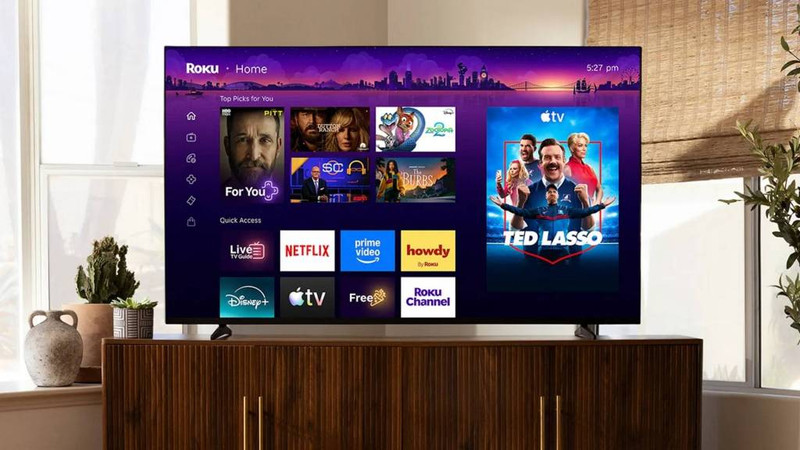
Roku's home screen gets an AI-powered refresh for 2026
Roku is rolling out a significant update to its main interface, promising a more personalized experience with integrated advertising.
Latest news
View all
Stuntman Hollywood: Returns After 19 Years to PS5, Xbox Series, and PC
The iconic action and vehicular stunt franchise makes its comeback courtesy of Saber Interactive, promising a dose of nostalgia and adrenaline for the new generation.
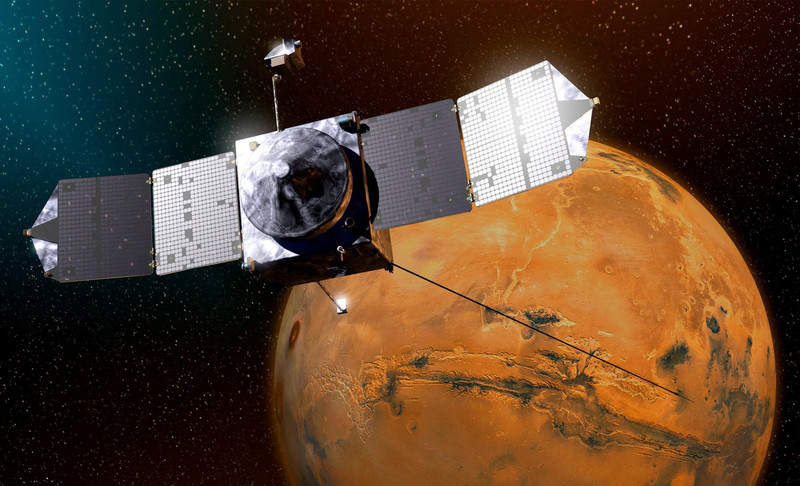
NASA's Maven Mars Orbiter Declared Out of Service After Six Months of Silence
Following an anomaly that disrupted its orbit and depleted its batteries, the Maven spacecraft, vital for understanding Mars' atmosphere, has ended its active mission. Its scientific data remains an invaluable legacy.

NASA Reveals New Path for Earth's Essential Life Elements
A recent study, published in Science Advances, uncovers how early Earth may have received phosphorus and nitrogen, highlighting Jupiter's critical role.
Comments (0)
No comments yet. Be the first!
Leave a comment