
Google makes email verification easier with no-code method
The company announced a new way to validate email addresses directly within the app, just by pressing a consent button.
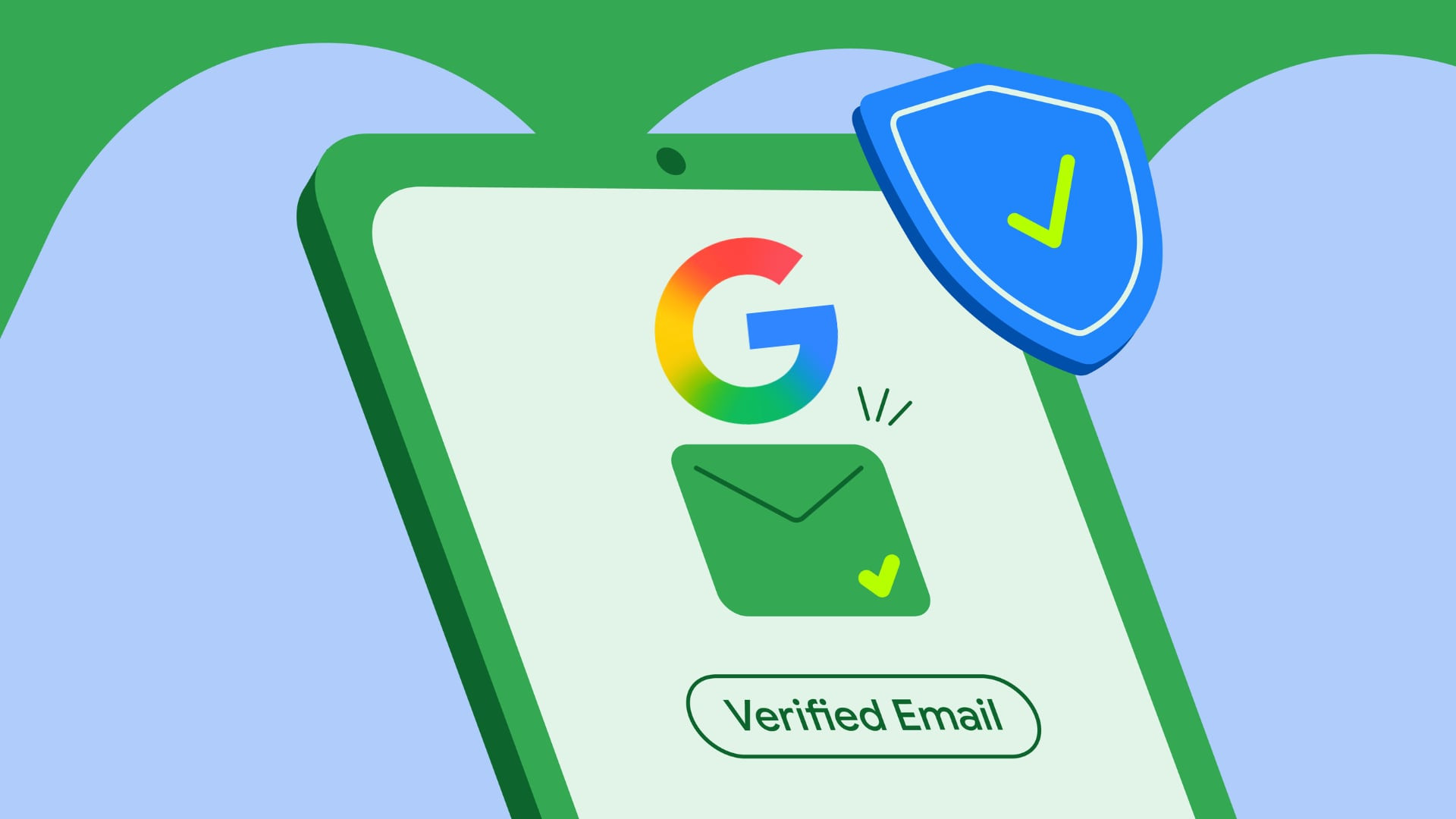
Google introduced an innovation in its email verification process aimed at removing one of the most common and frustrating steps. Now, users can validate their addresses without leaving the app, simply by clicking a consent button. This change addresses a frequent issue in digital experiences: verification through codes or links sent via email or SMS, which often disrupt the flow of use.
The traditional method, requiring users to open another app, copy codes, or wait for messages, can be annoying, especially when messages are delayed or end up in spam folders. Google’s approach is to integrate this process within the same application, making it more seamless. To do this, they provide developers with an update based on their credentials management API, which allows retrieving a cryptographically verified email address directly from the user’s device.
Practically, this means users will see an option on screen to confirm their identity with a button like “Accept and continue”. After clicking, the app immediately receives the necessary information to validate the account, skipping intermediate steps. Technically, the system relies on secure device authentication, reducing human errors and message delivery failures.
Currently, this feature is only available for personal Google accounts, as explained in Google’s Android developer blog. It does not yet support Workspace or supervised profiles, so adoption will be gradual. This trend in tech aims to simplify long-standing processes like the one-time password (OTP) verification, balancing security with user experience. By using cryptographic mechanisms integrated into the device, Google suggests this method could be even safer than traditional systems.
For developers, integrating this API offers a chance to provide faster, more secure verification processes aligned with the industry’s move toward simpler, more user-friendly security measures.
Article topics
Related articles

Windows Drops NTLM: Microsoft Boosts Security with Kerberos
Microsoft is taking a crucial step to bolster security in Windows 11, announcing the deprecation of NTLM, its oldest authentication protocol, in favor of Kerberos.
Chrome Bolsters Security with DBSC Against Cookie Theft
Google Chrome has rolled out a new DBSC feature, linking sessions to your hardware to protect accounts from credential theft attacks.

Roku's home screen gets an AI-powered refresh for 2026
Roku is rolling out a significant update to its main interface, promising a more personalized experience with integrated advertising.
Latest news
View all
Stuntman Hollywood: Returns After 19 Years to PS5, Xbox Series, and PC
The iconic action and vehicular stunt franchise makes its comeback courtesy of Saber Interactive, promising a dose of nostalgia and adrenaline for the new generation.

NASA's Maven Mars Orbiter Declared Out of Service After Six Months of Silence
Following an anomaly that disrupted its orbit and depleted its batteries, the Maven spacecraft, vital for understanding Mars' atmosphere, has ended its active mission. Its scientific data remains an invaluable legacy.

NASA Reveals New Path for Earth's Essential Life Elements
A recent study, published in Science Advances, uncovers how early Earth may have received phosphorus and nitrogen, highlighting Jupiter's critical role.
Comments (0)
No comments yet. Be the first!
Leave a comment