
Google delivers biggest Android Auto update with AI, new design, and YouTube
Google announced a major overhaul of Android Auto, featuring a redesigned interface, video playback, and Gemini AI capabilities.
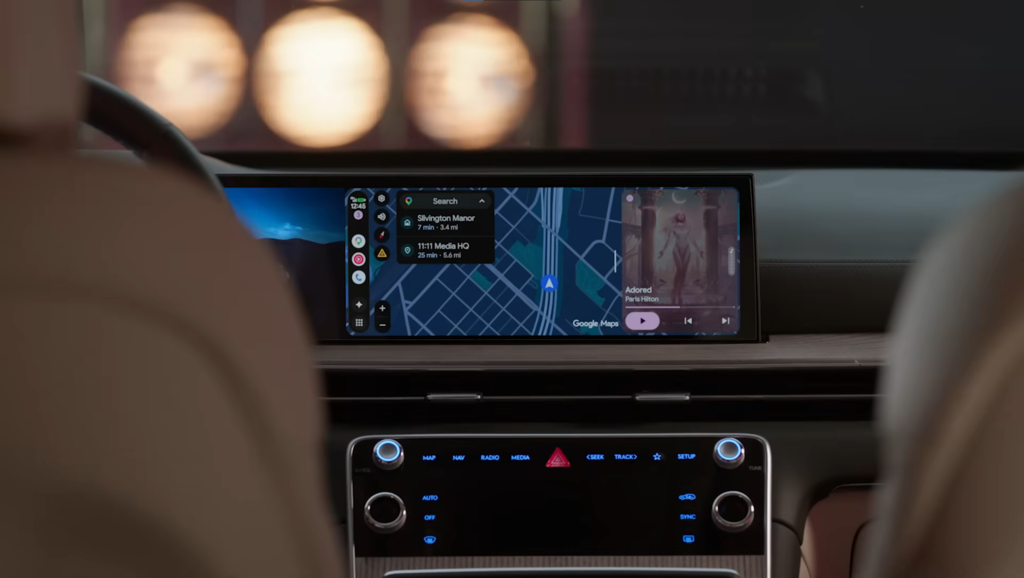
Google revealed one of the most ambitious updates for Android Auto, a platform that has been in the market for over eleven years. The new version introduces a complete redesign of the interface, optimized for the irregular screens of modern vehicles.
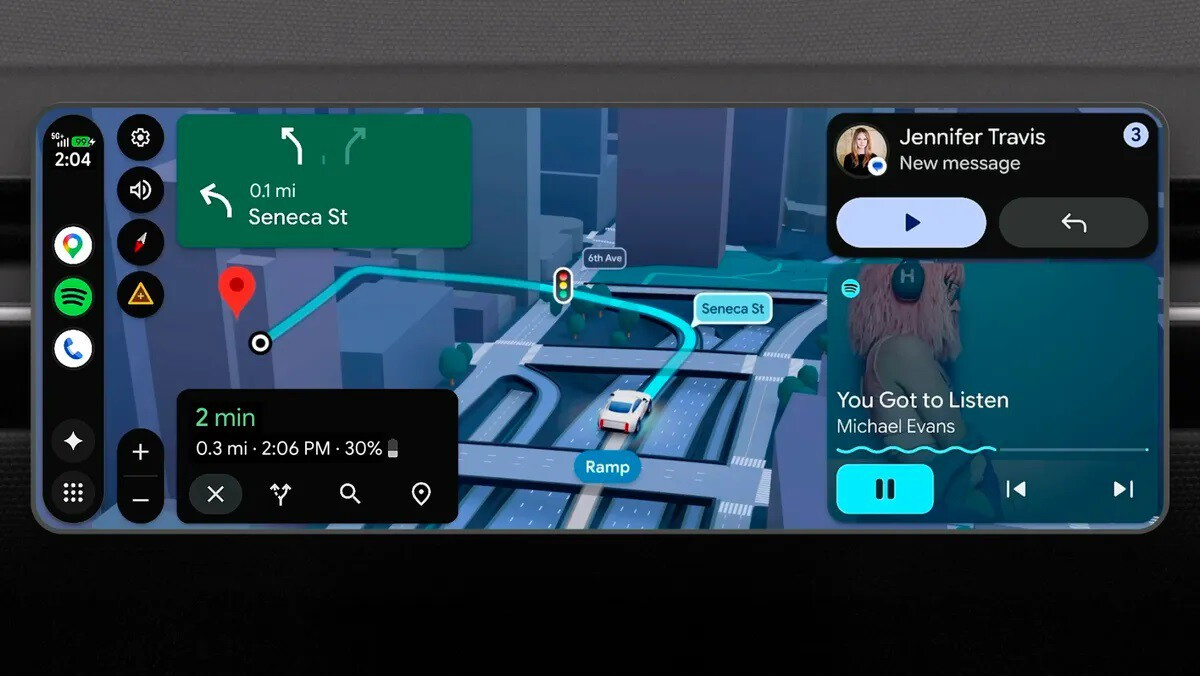
The most noticeable change is the system's ability to adapt to any screen shape, eliminating empty margins and dead spaces. Patrick Brady, vice president of Android Automotive at Google, described the new design as "full bleed," meaning apps now fill the entire display regardless of its geometry.
"The system can fit circular, trapezoidal, or irregular screens, covering edge-to-edge space".
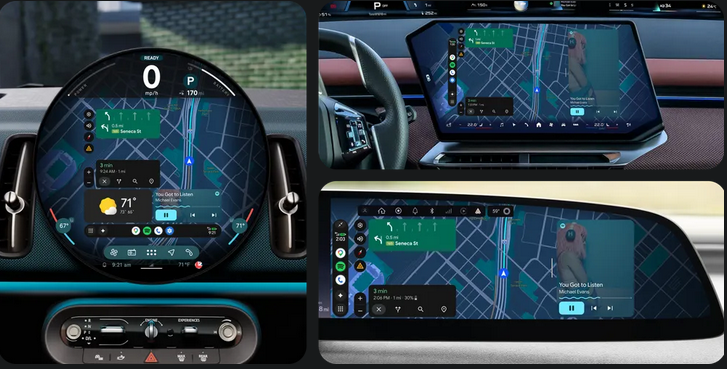
Google demonstrated how the system works across different models, such as the circular Mini, Lucid Air, and BMW iX3, with maps filling the entire screen and real-time details like lanes and traffic signals. Additionally, Material 3 Expressive design language now extends to cars, with custom fonts, smoother animations, and customizable wallpapers.
Another key feature is support for widgets on the dashboard, allowing quick access to contacts, garage controls, weather, or home automation, without interrupting navigation. The map view now offers a 3D perspective, showing buildings, terrain, and real-time elements to assist with complex maneuvers.
For the first time, Android Auto will support HD video playback at 60 fps when parked. Apps like YouTube will be available in standby mode, with support for Dolby Atmos spatial sound on brands like BMW, Mercedes-Benz, and Volvo.
Google's Gemini Intelligence AI assistant also arrives in the car, with functions that understand the user's context and act autonomously. For example, it can analyze a message and send a reply without driver intervention, helping to minimize distractions.
Vehicles with Android Automotive built-in will enjoy even more advanced features. They will be able to answer specific questions about the car, identify dashboard symbols, or calculate trunk space. Additional functions like Zoom meetings will also reach these models later this year.
Google has not announced exact dates but states these updates will roll out throughout 2026 across compatible devices and vehicles. The company's goal is to redefine the driving experience and encourage more manufacturers to adopt these innovations soon.
Article topics
Related articles

Windows Drops NTLM: Microsoft Boosts Security with Kerberos
Microsoft is taking a crucial step to bolster security in Windows 11, announcing the deprecation of NTLM, its oldest authentication protocol, in favor of Kerberos.
Chrome Bolsters Security with DBSC Against Cookie Theft
Google Chrome has rolled out a new DBSC feature, linking sessions to your hardware to protect accounts from credential theft attacks.
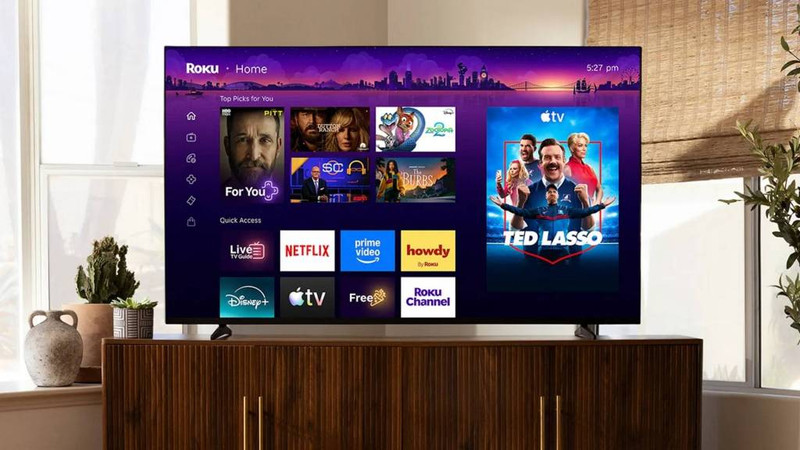
Roku's home screen gets an AI-powered refresh for 2026
Roku is rolling out a significant update to its main interface, promising a more personalized experience with integrated advertising.
Latest news
View all
Stuntman Hollywood: Returns After 19 Years to PS5, Xbox Series, and PC
The iconic action and vehicular stunt franchise makes its comeback courtesy of Saber Interactive, promising a dose of nostalgia and adrenaline for the new generation.
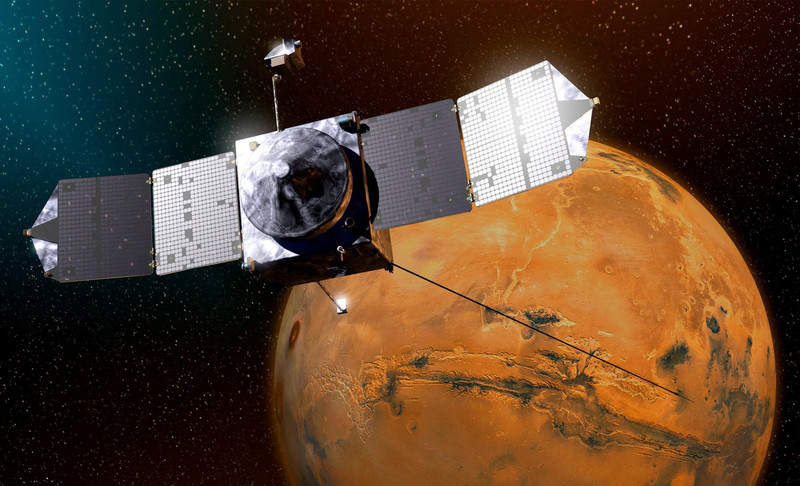
NASA's Maven Mars Orbiter Declared Out of Service After Six Months of Silence
Following an anomaly that disrupted its orbit and depleted its batteries, the Maven spacecraft, vital for understanding Mars' atmosphere, has ended its active mission. Its scientific data remains an invaluable legacy.

NASA Reveals New Path for Earth's Essential Life Elements
A recent study, published in Science Advances, uncovers how early Earth may have received phosphorus and nitrogen, highlighting Jupiter's critical role.
Comments (0)
No comments yet. Be the first!
Leave a comment