
Apple Under Scrutiny: Security Flaws, Repairability, and a Peculiar Bug
This week, the tech community discussed Apple Intelligence vulnerabilities, the low repairability of its devices, and a peculiar macOS error.
This week brought several significant developments from the Apple universe, sparking considerable debate within the tech community. Researchers successfully bypassed Apple Intelligence security measures using prompt injection techniques. Additionally, a recent report once again criticized the poor repairability of Apple's hardware. Adding a unique twist, a bug was uncovered in macOS that disrupts network connectivity precisely every 49 days, 17 hours, two minutes, and 47 seconds.
The vulnerability in Apple Intelligence represents a critical concern. Researchers managed to circumvent its protections through "prompt injection," a technique that manipulates the initial instructions given to artificial intelligence systems. This method can force the system to perform unintended actions or disclose sensitive information. The community eagerly awaits Apple's solutions to strengthen the security of its new AI.
Another key discussion point revolved around the report on Apple device repairability. This regularly published study once again highlighted the difficulties in fixing their equipment. Criticism focuses on designs that complicate access to internal components and the reliance on proprietary parts. This approach negatively impacts product lifecycles and overall sustainability efforts.
A bug was detected in macOS that causes network interruptions exactly every 49 days, 17 hours, two minutes, and 47 seconds.
However, it wasn't all serious news; there was also room for a technical curiosity. A bug was detected in macOS that causes network interruptions. The striking aspect is the precision of its occurrence: it happens exactly every 49 days, 17 hours, two minutes, and 47 seconds. While not critical, this error creates unexpected disruptions for Mac users.
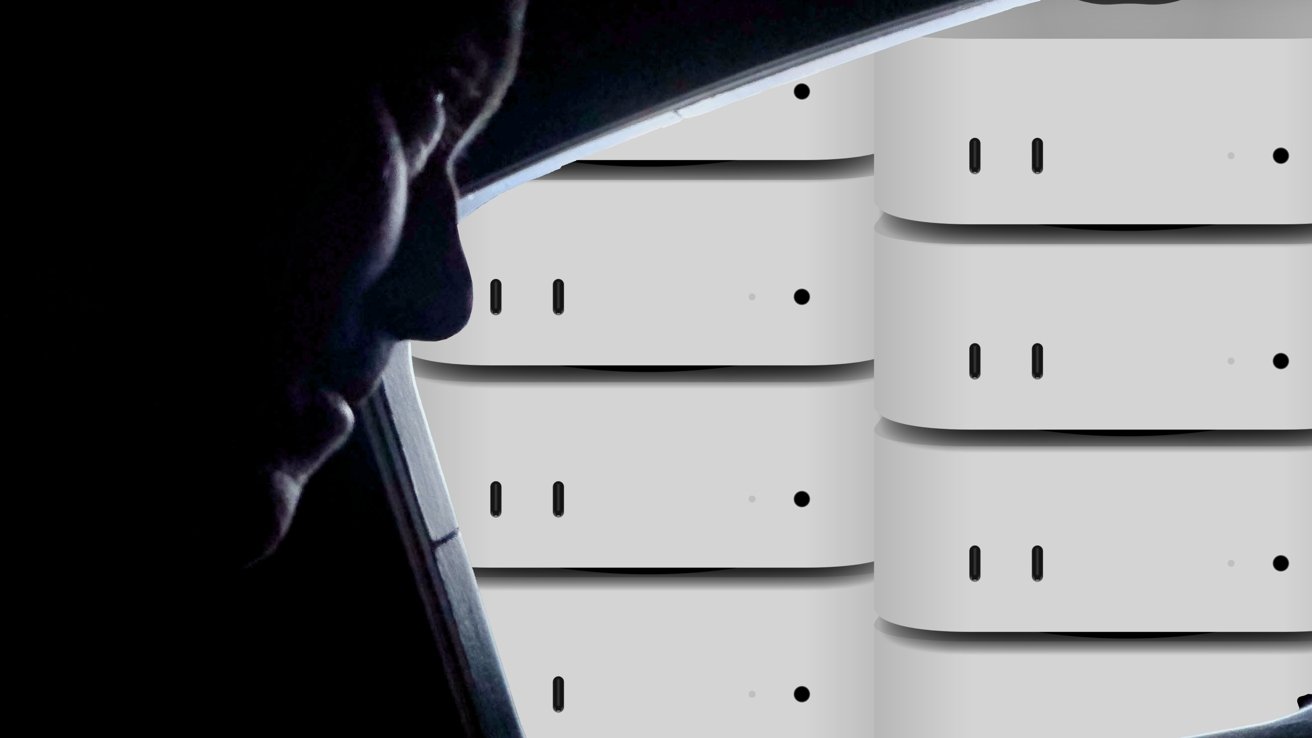
On a more aspirational note, the community continues to dream of a MacBook Neo with storage upgrades. This concept reflects a strong desire for greater modularity and upgrade options for Apple's laptops. Furthermore, the versatility of the Mac mini keeps inspiring many enthusiasts. Its compact size and powerful performance make it an ideal choice for building server farms or home labs, justifying the purchase of "masses" of these small but mighty machines.
And speaking of returns, iPhones "re-entered Earth" with a belated congratulatory message. This refers to their involvement in NASA space missions, where they demonstrate remarkable robustness in extreme environments. Their re-entry symbolizes the reliability of consumer technology in unexpected contexts. Meanwhile, Apple's ongoing legal battle with Epic Games over the App Store continues, keeping the industry on edge.
Related articles

Windows Drops NTLM: Microsoft Boosts Security with Kerberos
Microsoft is taking a crucial step to bolster security in Windows 11, announcing the deprecation of NTLM, its oldest authentication protocol, in favor of Kerberos.
Chrome Bolsters Security with DBSC Against Cookie Theft
Google Chrome has rolled out a new DBSC feature, linking sessions to your hardware to protect accounts from credential theft attacks.

Roku's home screen gets an AI-powered refresh for 2026
Roku is rolling out a significant update to its main interface, promising a more personalized experience with integrated advertising.
Latest news
View all
Stuntman Hollywood: Returns After 19 Years to PS5, Xbox Series, and PC
The iconic action and vehicular stunt franchise makes its comeback courtesy of Saber Interactive, promising a dose of nostalgia and adrenaline for the new generation.
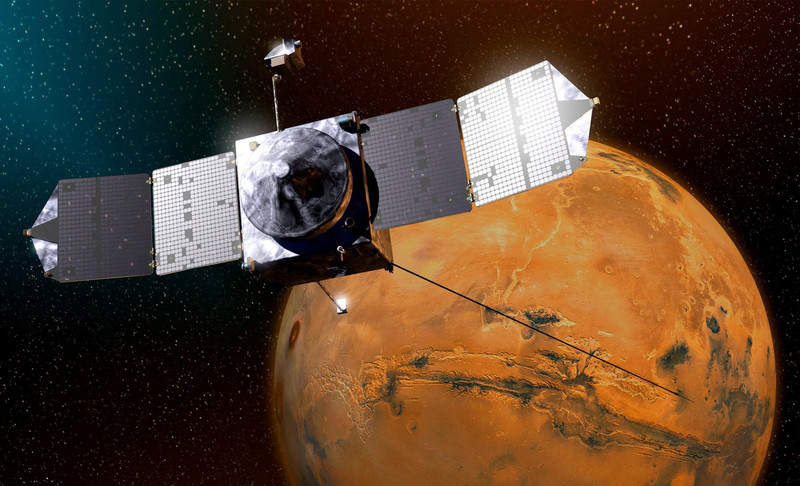
NASA's Maven Mars Orbiter Declared Out of Service After Six Months of Silence
Following an anomaly that disrupted its orbit and depleted its batteries, the Maven spacecraft, vital for understanding Mars' atmosphere, has ended its active mission. Its scientific data remains an invaluable legacy.

NASA Reveals New Path for Earth's Essential Life Elements
A recent study, published in Science Advances, uncovers how early Earth may have received phosphorus and nitrogen, highlighting Jupiter's critical role.
Comments (0)
No comments yet. Be the first!
Leave a comment