
Android security features arriving in 2026
Google will introduce new tools in 2026 to protect users from scams, thefts, and AI-driven threats on Android devices.
Android will strengthen its security features in 2026 with tools to fight scams, thefts, and malicious apps driven by artificial intelligence. Google has been improving protection measures for years as threats evolve rapidly. The company recognizes that attackers now use AI to deceive and target more users, prompting the rollout of a series of features throughout the year.
One major update will be a financial call verification system. This mechanism detects spoofing, where scammers manipulate caller IDs to pretend they are calling from your bank. When you receive a suspicious call, Android will automatically consult the bank’s app to verify its authenticity. If the call is fraudulent, the system will silently hang up.
Android will add a financial call verification system to combat spoofing, which manipulates caller IDs to deceive users.
Initially, this feature will be available on devices running Android 11 or higher, in collaboration with banks like Revolut, Itaú, and Nubank. The goal is to expand protection to more financial institutions over the course of the year.
Another key update involves real-time threat detection. Live Threat Detection will use AI on the device to analyze app behavior and alert users about suspicious actions. Google plans to expand this protection to identify more apps attempting scams or abuse, including warnings about SMS forwarding and accessibility overlays.
In Chrome for Android, Google will introduce an extra layer of security during APK downloads. If Safe Browsing is enabled, the system will scan files for known malware before allowing the download. Additionally, Advanced Protection will log intrusions and defend against USB attacks.
These features will debut with Android 17 in the second half of 2026. The OS version will also remove accessibility service access for untagged apps, disable device unlocking via other devices, and eliminate WebGPU support in Chrome.
In case of device theft, Google announced additional controls to prevent data access. When losing your phone, you can activate failed attempt lockouts and Identity Verification. The "Mark as Lost" feature will allow locking the device with biometric authentication and PIN, preventing thieves from disabling tracking or re-accessing the device if they obtain your code.
These protections will be enabled by default on new devices and updates to Android 17, extending to phones with Android 10 or higher in countries like Argentina, Chile, Colombia, Mexico, and the UK. A new temporary location sharing button will also be added, allowing users to share their precise location for specific tasks without permanent permissions. A new contacts selector will enable apps to request access only to selected contacts, ensuring better privacy.

Article topics
Related articles

Windows Drops NTLM: Microsoft Boosts Security with Kerberos
Microsoft is taking a crucial step to bolster security in Windows 11, announcing the deprecation of NTLM, its oldest authentication protocol, in favor of Kerberos.
Chrome Bolsters Security with DBSC Against Cookie Theft
Google Chrome has rolled out a new DBSC feature, linking sessions to your hardware to protect accounts from credential theft attacks.

Roku's home screen gets an AI-powered refresh for 2026
Roku is rolling out a significant update to its main interface, promising a more personalized experience with integrated advertising.
Latest news
View all
Stuntman Hollywood: Returns After 19 Years to PS5, Xbox Series, and PC
The iconic action and vehicular stunt franchise makes its comeback courtesy of Saber Interactive, promising a dose of nostalgia and adrenaline for the new generation.
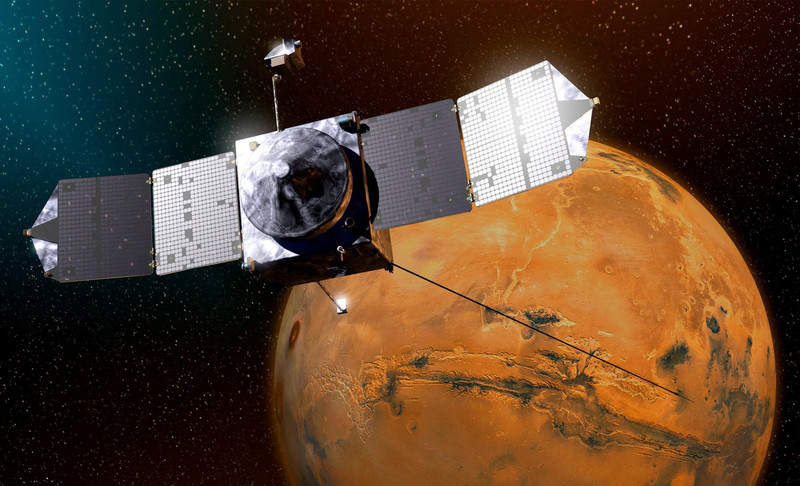
NASA's Maven Mars Orbiter Declared Out of Service After Six Months of Silence
Following an anomaly that disrupted its orbit and depleted its batteries, the Maven spacecraft, vital for understanding Mars' atmosphere, has ended its active mission. Its scientific data remains an invaluable legacy.

NASA Reveals New Path for Earth's Essential Life Elements
A recent study, published in Science Advances, uncovers how early Earth may have received phosphorus and nitrogen, highlighting Jupiter's critical role.
Comments (0)
No comments yet. Be the first!
Leave a comment