
Android Debuts 'Frosted Glass': A Translucent Design Redefining the Interface
The latest Android Canary version introduces a frosted glass-inspired visual effect, aiming for enhanced elegance and readability within the operating system.
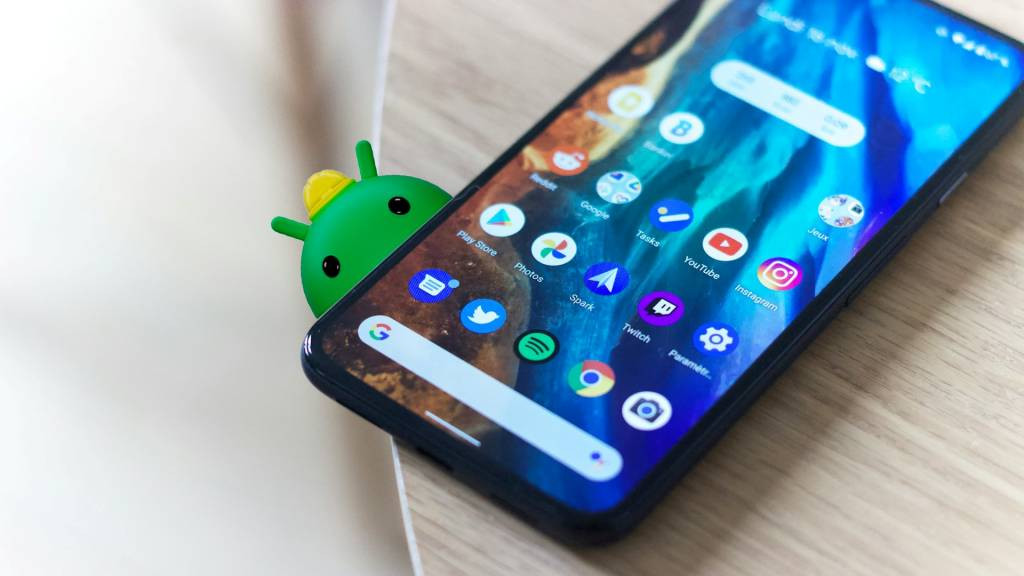
The latest Android Canary version, 2605, brings a significant aesthetic overhaul to Google's operating system. The company has decided to embrace a translucent design called 'Frosted Glass,' which aims to improve the readability and modernize the interface of Pixel devices.
This new frosted glass effect now applies to key system controls, including the options menu, the expanded volume panel, and the power-off menu. The background of these sections subtly blurs, allowing the wallpaper colors to filter through the interface, creating a sense of depth and visual cohesion.
While a similar effect has been present in the notification panel and quick settings since last year, Android Canary version 2605 extends this feature to more areas of the system. The goal is to achieve complete visual uniformity across the entire platform, moving away from the solid color blocks that previously dominated.
Google has implemented the 'Frosted Glass' effect in Android Canary version 2605, aiming for a more elegant and readable interface.
The comparison with Apple's 'Liquid Glass' is inevitable, but Google proposes a distinct approach. While Apple's design seeks a more realistic depth effect and simulates physical objects with three-dimensional reflections, 'Frosted Glass' is characterized by a softer, more diffused blur, offering a subtler aesthetic.
This change is part of the 'Material 3 Expressive' design language, which Google has been refining. The objective is for the interface to feel lighter and possess a greater sense of layering, while maintaining a unique and distinctive visual identity for Android.
For those who prefer the previous aesthetic, Google has included an option in the accessibility settings that allows for the complete deactivation of the 'Frosted Glass' effect. This ensures users can personalize their experience according to their preferences.
Android Canary version 2605 is currently available for Pixel 6 phones and later models. It's important to remember that these experimental versions do not guarantee stability, and it is recommended to back up your data before installing them, as they are not intended for daily use.
Those interested in trying out the 'Frosted Glass' effect can visit the Android Canary website and follow the installation instructions, either on a compatible Pixel device or through the Android emulator in Android Studio. Otherwise, users will need to wait for the release of 'Android 17 QPR1' later this year.
Google also plans to integrate 'Frosted Glass' into the upcoming GoogleBooks, the successors to the Chromebooks recently announced. These devices will be showcased during the I/O 2026 developer conference, highlighting the company's latest innovations.
Article topics
Related articles

Windows Drops NTLM: Microsoft Boosts Security with Kerberos
Microsoft is taking a crucial step to bolster security in Windows 11, announcing the deprecation of NTLM, its oldest authentication protocol, in favor of Kerberos.
Chrome Bolsters Security with DBSC Against Cookie Theft
Google Chrome has rolled out a new DBSC feature, linking sessions to your hardware to protect accounts from credential theft attacks.
Roku's home screen gets an AI-powered refresh for 2026
Roku is rolling out a significant update to its main interface, promising a more personalized experience with integrated advertising.
Latest news
View all
Stuntman Hollywood: Returns After 19 Years to PS5, Xbox Series, and PC
The iconic action and vehicular stunt franchise makes its comeback courtesy of Saber Interactive, promising a dose of nostalgia and adrenaline for the new generation.
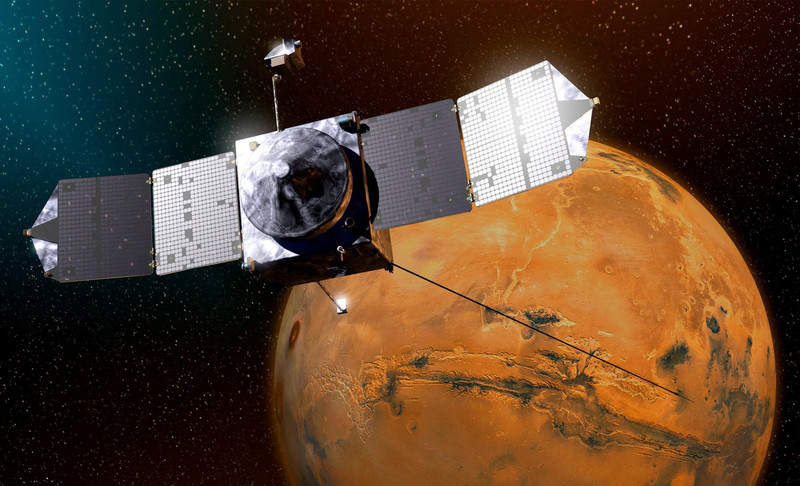
NASA's Maven Mars Orbiter Declared Out of Service After Six Months of Silence
Following an anomaly that disrupted its orbit and depleted its batteries, the Maven spacecraft, vital for understanding Mars' atmosphere, has ended its active mission. Its scientific data remains an invaluable legacy.

NASA Reveals New Path for Earth's Essential Life Elements
A recent study, published in Science Advances, uncovers how early Earth may have received phosphorus and nitrogen, highlighting Jupiter's critical role.
Comments (0)
No comments yet. Be the first!
Leave a comment