
Amazon Acquires Globalstar for $11.6 Billion, Challenging Starlink
Tech giant Amazon has completed one of its largest acquisitions, investing billions in satellite operator Globalstar. This strategic move aims to boost its presence in space and global connectivity.
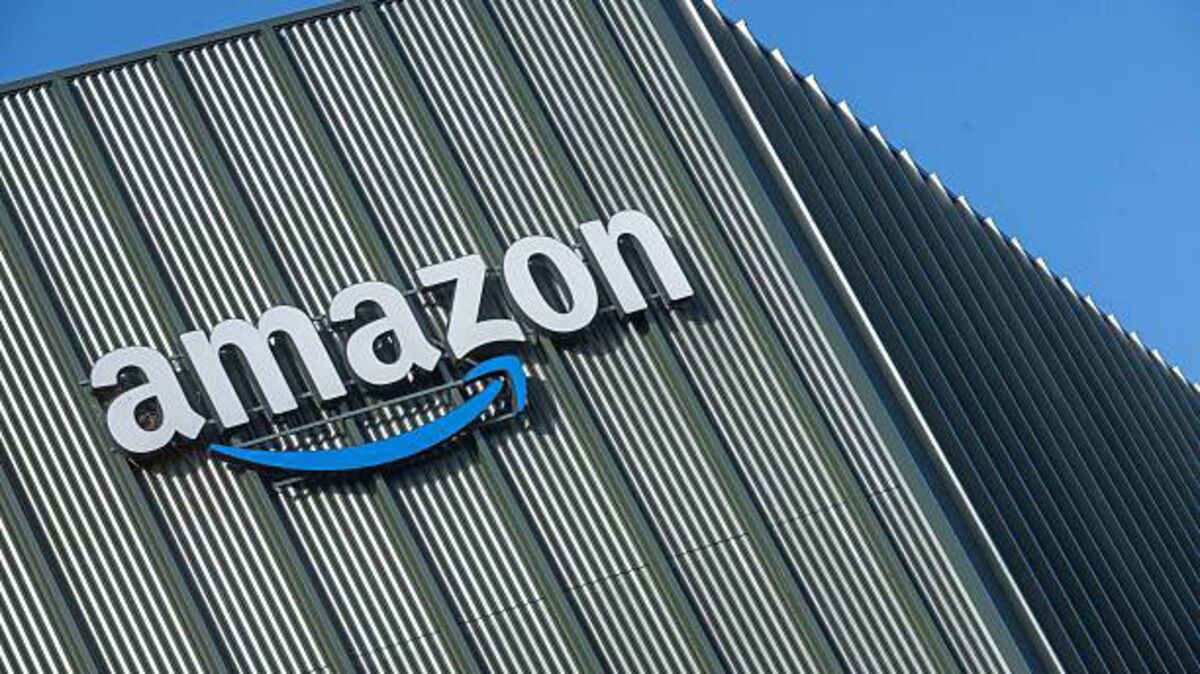
Amazon has agreed to acquire satellite operator Globalstar in a deal valued at approximately $11.6 billion. This acquisition marks the company's largest since its 2017 purchase of Whole Foods. The strategic move aims to strengthen Amazon's position in the rapidly expanding satellite communications sector, directly competing with rival Starlink. Michelle Davis of Bloomberg reported the news, highlighting a crucial milestone in Amazon's global connectivity ambitions.
Globalstar is a pioneer in mobile satellite services (MSS) and satellite-based Internet of Things (IoT) solutions. Its infrastructure includes a constellation of low-Earth orbit (LEO) satellites and extensive ground stations. LEO satellites operate at lower altitudes, reducing communication latency. These assets are vital for providing connectivity in remote areas or regions with limited terrestrial infrastructure. Globalstar's proven expertise in this field offers immense value to Amazon.
This acquisition complements Amazon's ambitious Project Kuiper, its own satellite constellation designed to deliver broadband internet. Integrating Globalstar could accelerate Kuiper's service rollout or significantly expand its offerings. Amazon is likely interested in Globalstar's valuable spectrum licenses and its established technology. This move allows Amazon to diversify its connectivity capabilities strategically.
The $11.6 billion investment underscores Amazon's serious commitment to this sector.
The race to dominate the satellite connectivity space is incredibly intense. SpaceX's Starlink has rapidly advanced in deploying its global internet network. With Globalstar, Amazon aims to close that gap and provide a robust alternative. This competition ultimately benefits users, driving innovation and service expansion across the globe. Could this signal a new era of universal internet access?
The $11.6 billion investment underscores Amazon's serious commitment to this sector. It is not merely an acquisition; it is a clear and forceful statement of intent. This merger could lead to broader coverage for IoT devices and enhanced emergency services worldwide. It also has the potential to boost connectivity in underserved regions, unlocking new business and technological development opportunities. The future of space connectivity is becoming increasingly exciting!
Article topics
Related articles

Windows Drops NTLM: Microsoft Boosts Security with Kerberos
Microsoft is taking a crucial step to bolster security in Windows 11, announcing the deprecation of NTLM, its oldest authentication protocol, in favor of Kerberos.
Chrome Bolsters Security with DBSC Against Cookie Theft
Google Chrome has rolled out a new DBSC feature, linking sessions to your hardware to protect accounts from credential theft attacks.
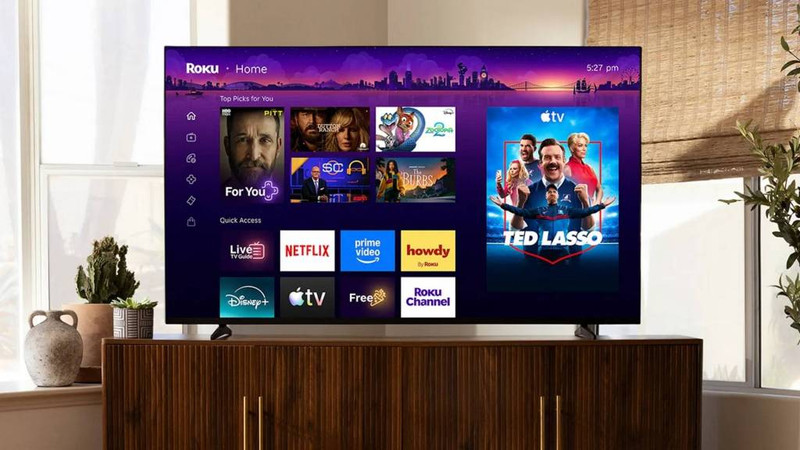
Roku's home screen gets an AI-powered refresh for 2026
Roku is rolling out a significant update to its main interface, promising a more personalized experience with integrated advertising.
Latest news
View all
Stuntman Hollywood: Returns After 19 Years to PS5, Xbox Series, and PC
The iconic action and vehicular stunt franchise makes its comeback courtesy of Saber Interactive, promising a dose of nostalgia and adrenaline for the new generation.
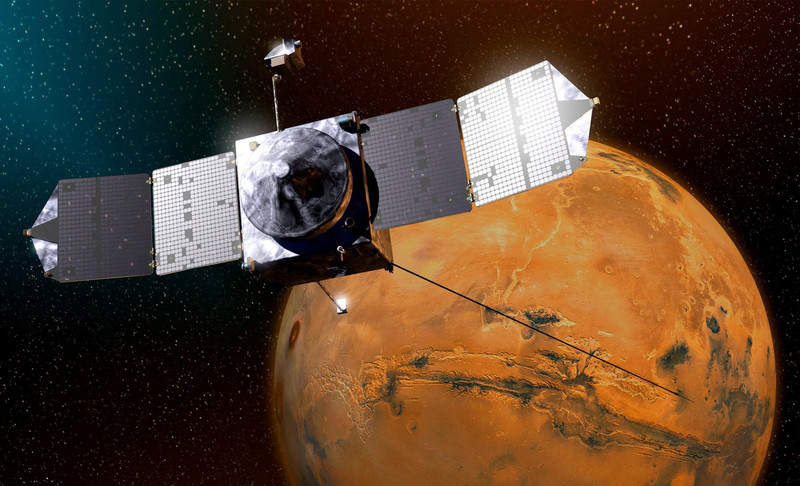
NASA's Maven Mars Orbiter Declared Out of Service After Six Months of Silence
Following an anomaly that disrupted its orbit and depleted its batteries, the Maven spacecraft, vital for understanding Mars' atmosphere, has ended its active mission. Its scientific data remains an invaluable legacy.

NASA Reveals New Path for Earth's Essential Life Elements
A recent study, published in Science Advances, uncovers how early Earth may have received phosphorus and nitrogen, highlighting Jupiter's critical role.
Comments (0)
No comments yet. Be the first!
Leave a comment