
James Webb
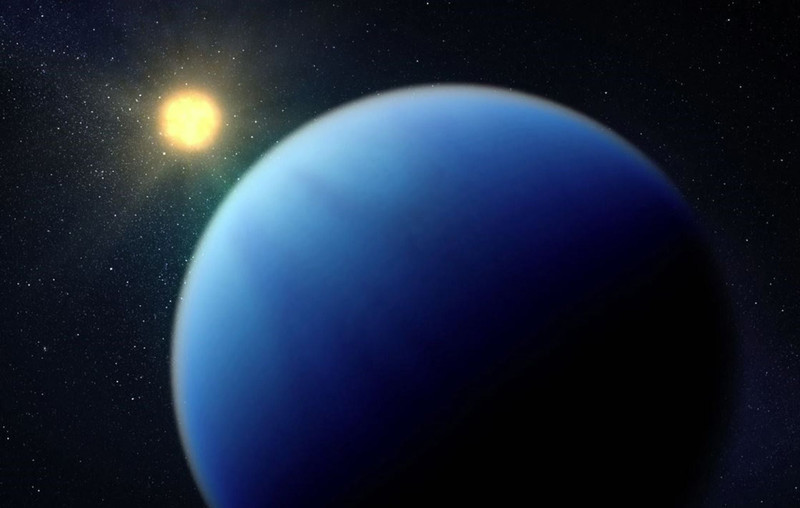
James Webb Telescope Discovers Water Vapor on Exoplanet TOI-421 b
NASA's space telescope made an unprecedented finding on TOI-421 b, a sub-Neptune with a surprisingly clear atmosphere, potentially reshaping our understanding of planetary formation.
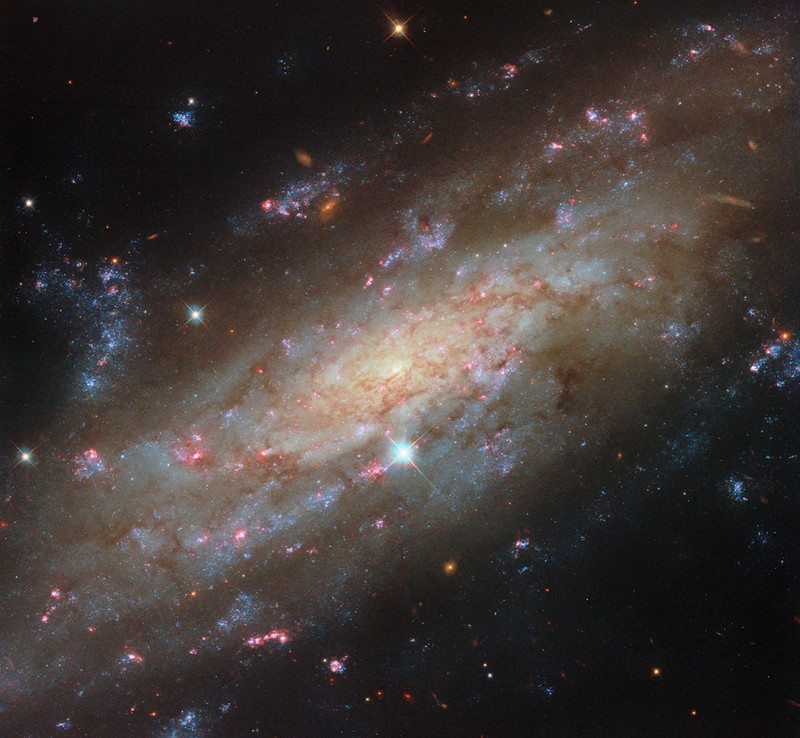
Hubble Spots a Bright Spiral Galaxy in the Antlia Constellation
NASA’s Hubble Space Telescope captured a stunning image of galaxy NGC 3137, located 53 million light-years away, revealing its structure and star formation.
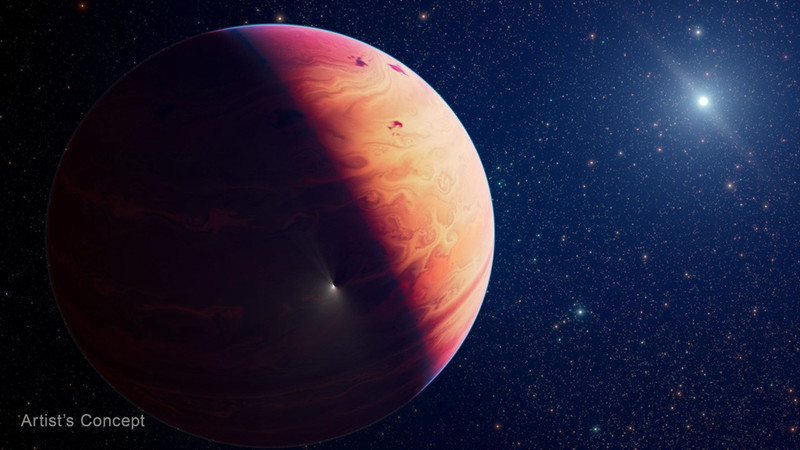
James Webb Unravels 29 Cygni b's Origin: Planet or Failed Star?
A team of astronomers used the James Webb Space Telescope to resolve the paradox of 29 Cygni b, a massive object defying cosmic classifications.
James Webb Reveals Small Red Dots Key to Supermassive Black Hole Origins
A discovery by the University of Texas at Austin, published in "The Astrophysical Journal", could reshape our understanding of these cosmic giants.
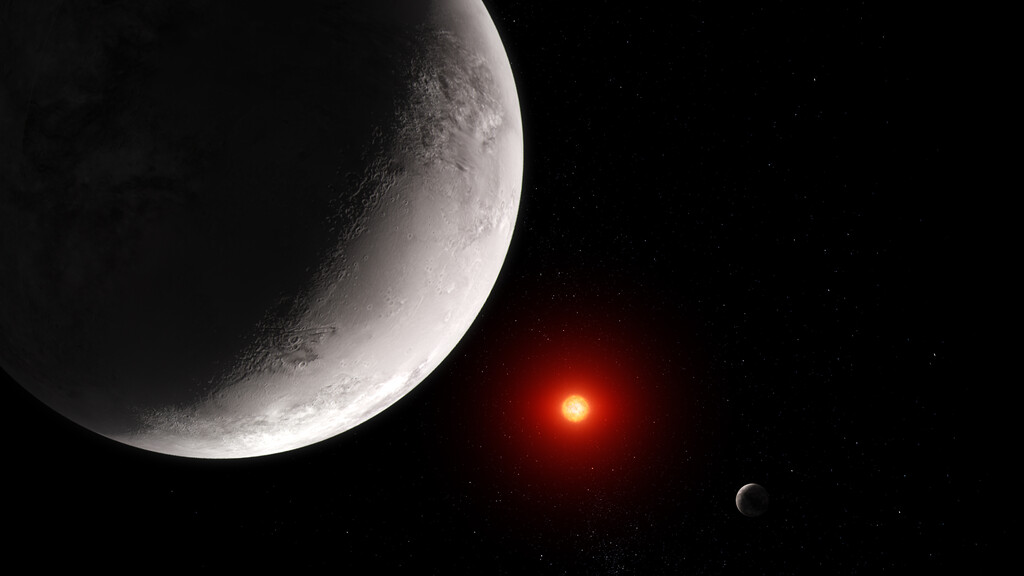
James Webb Delivers Bad News for TRAPPIST-1, But Hope Remains
New observations from the James Webb Space Telescope suggest two rocky planets in the TRAPPIST-1 system lack atmospheres, a crucial finding for the search for life.
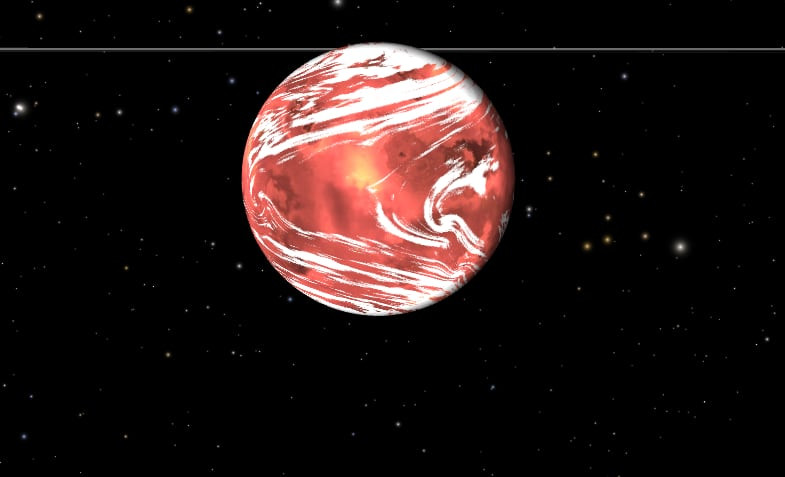
L 98-59 d: The Exoplanet with Magma Oceans and a 'Rotten Egg' Atmosphere Challenging Science
An international team of scientists, utilizing the James Webb Space Telescope, has discovered L 98-59 d, an exoplanet 35 light-years from Earth with temperatures exceeding 1,900 degrees Celsius and an atmosphere rich in hydrogen sulfide, giving it a 'rotten egg' smell. This unique world, featuring magma oceans, redefines our understanding of planetary diversity.