
Chuck Norris's Family Issues Warning Against AI-Generated Images Following His Eventual Passing
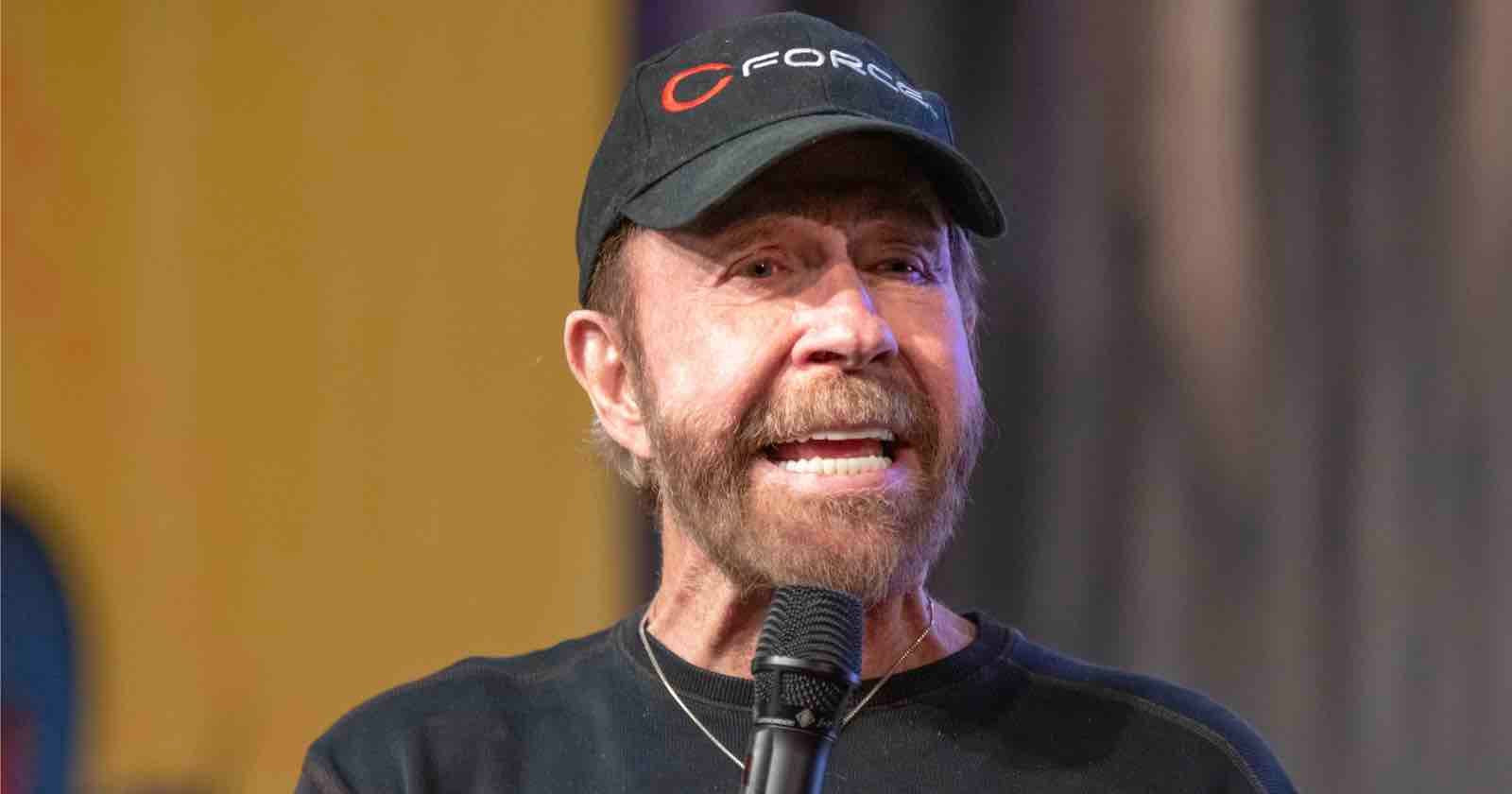
The family of legendary action star Chuck Norris has issued a crucial warning to fans, urging them not to trust or share AI-generated images that might circulate online after his eventual passing. This proactive measure aims to protect his legacy and combat misinformation in the digital age.
A Proactive Warning in the Digital Age
Chuck Norris, an enduring action icon and the subject of countless internet memes that have transcended generations, remains a relevant figure in popular culture. His family has now issued a significant warning that resonates deeply with the challenges of the digital age: a plea for caution against AI-generated images that might circulate online following his eventual passing. This statement not only highlights concerns about misinformation during sensitive times but also underscores the growing threat generative AI poses to truth and the legacy of public figures. In a world where the line between real and synthetic content blurs, the Norris family seeks to protect the actor's image and memory, urging fans to exercise critical discernment.
The Rise of Generative AI and the Threat of Misinformation
The rapid advancement of generative artificial intelligence has democratized the creation of high-quality synthetic content. Tools capable of producing hyper-realistic images, videos, and audio, commonly known as deepfakes or synthetic media, are now widely accessible. While these technologies offer immense creative potential and beneficial applications, they also carry a significant risk of misinformation and manipulation. In the context of public figures, and especially during sensitive situations like the announcement of a passing, the proliferation of fake images can sow confusion, exploit emotions, and distort reality. The Norris family's warning serves as a stark reminder that technology, without ethical and responsible use, can be a powerful tool for manipulating public perception.
Protecting the Legacy and Memory of Public Figures
For the families of public personalities, preserving the legacy and memory of their loved ones is paramount. AI-generated images, which can depict an individual in fictitious situations, with altered expressions, or in inappropriate contexts, have the potential to tarnish reputations, trivialize a person's life and work, and cause profound distress to their relatives. Authenticity in posthumous representation is a fundamental right, and the emergence of synthetic content threatens to undermine it. The Norris family's concern extends beyond Chuck's image; it encompasses the integrity of his story and respect for his memory, elements that digital misinformation can irreversibly erode, affecting how future generations will remember these figures.
Guidance for the Public and Digital Responsibility
Given this landscape, responsibility falls on both content creators and consumers. Chuck Norris's family urges fans not to trust or share images that appear suspicious or do not originate from verified and official sources. For the general public, developing robust digital literacy is crucial: learning to identify signs of AI-generated content (such as inconsistencies in lighting, unusual textures, facial anomalies, or a lack of detail in backgrounds), verifying the original source of information, and pausing before sharing. Platforms like Tricuatro emphasize the importance of fact-checking and promoting conscious media consumption to combat the spread of misinformation and protect the integrity of online information.
Tricuatro's Perspective and the Future of Ethical AI
The Norris family's warning is a global wake-up call regarding the urgent need to address the ethical and social implications of generative AI. As a tech-focused portal, Tricuatro is committed to informing and educating its audience about these emerging challenges, fostering constructive dialogue about the responsible use of technology. The future of digital interaction will be increasingly intertwined with AI, and it is imperative to establish clear ethical frameworks, develop more sophisticated detection tools for synthetic content, and foster a culture of digital responsibility. Only through a collective effort among developers, platforms, policymakers, and users can we ensure that technology serves to enrich, rather than distort, our perception of reality and respect for the legacy of iconic figures like Chuck Norris.
Article topics
Related articles

One Piece Anime Unveils God's Knights as New Villains
The animated adaptation of Eiichiro Oda's manga introduced the formidable antagonists set to challenge the Straw Hats in the current arc.
Eiichiro Oda Supervises One Piece Live-Action Season 3 Filming in South Africa
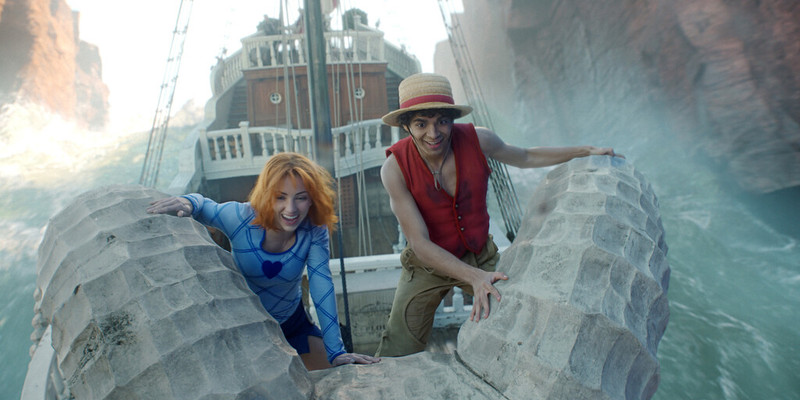
Manga creator Eiichiro Oda visited Cape Town to oversee the production of the highly anticipated third season, which will adapt the crucial Alabasta arc and promises spectacular action.

Michael 2: Lionsgate Faces Legal Challenges for Jackson Biopic Sequel
Lionsgate plans complementary filming for "Michael 2", the Michael Jackson biopic sequel, between late this year and 2027, aiming to tackle 90s legal controversies.
Latest news
View all
Stuntman Hollywood: Returns After 19 Years to PS5, Xbox Series, and PC
The iconic action and vehicular stunt franchise makes its comeback courtesy of Saber Interactive, promising a dose of nostalgia and adrenaline for the new generation.

NASA's Maven Mars Orbiter Declared Out of Service After Six Months of Silence
Following an anomaly that disrupted its orbit and depleted its batteries, the Maven spacecraft, vital for understanding Mars' atmosphere, has ended its active mission. Its scientific data remains an invaluable legacy.

Windows Drops NTLM: Microsoft Boosts Security with Kerberos
Microsoft is taking a crucial step to bolster security in Windows 11, announcing the deprecation of NTLM, its oldest authentication protocol, in favor of Kerberos.
Comments (0)
No comments yet. Be the first!
Leave a comment